
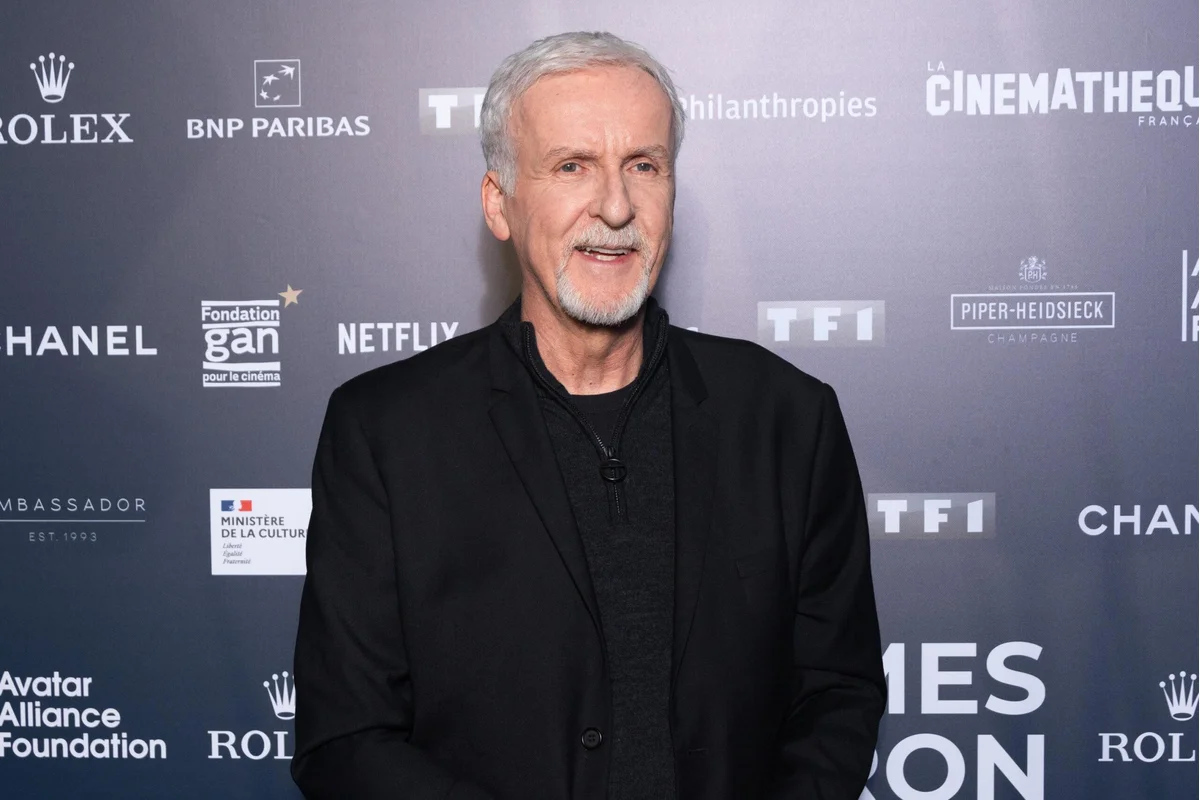
James Cameron has openly expressed his displeasure with Netflix’s current theatrical strategy, sharply criticizing how the streaming giant handles film releases and their eligibility for awards. In a recent interview with Matt Belloni from The Town, Cameron spoke out against Netflix’s Oscar tactics, marking another instance of Cameron’s willingness to challenge Hollywood heavyweights directly and forcefully. This latest critique from Cameron comes as the industry continues to debate the value of theatrical runs, putting the “James Cameron criticizes Netflix strategy” theme at the spotlight of ongoing film industry dialogues.
Cameron’s Harsh Words for Netflix’s Film Practices
During the interview, Matt Belloni brought up discussions about Netflix and Paramount being potential buyers of Warner Bros. Cameron made it clear he would favor Paramount in such a scenario, stating,
“Netflix would be a disaster. Sorry, Ted [Sarandos], but geez. Sarandos has gone on the record saying theatrical films are dead. ‘Theatrical is dead. Quote, unquote.’”
– James Cameron, Director. When confronted with Ted Sarandos’s reported promise of theater releases if Netflix were to buy Warner Bros., Cameron retorted,
“‘We’ll put the movie out for a week or 10 days. We’ll qualify for Oscar consideration.’ See, I think that’s fundamentally rotten to the core. A movie should be made as a movie for theatrical, and the Academy Awards mean nothing to me if they don’t mean theatrical. I think they’ve been co-opted, and I think it’s horrific.”
– James Cameron, Director.
This statement underlines Cameron’s belief that the essence of film and the prestige of the Academy Awards are intimately linked to meaningful theatrical exposure. Cameron’s viewpoint suggests that the current path Netflix is taking undermines both cinema’s tradition and the value of Oscar recognition.
Industry Pushback Against Netflix’s Oscar Eligibility Tactics
Cameron’s frustration is not limited to his own personal view; it reflects an ongoing dissatisfaction among filmmakers and industry figures. Netflix has given films like Frankenstein, Jay Kelly, and House Of Dynamite only brief, limited runs in select theaters, typically lasting just two weeks. This limited approach has faced backlash, as it appears timed mainly to satisfy Oscar eligibility requirements rather than to provide a genuine, widespread cinematic experience for audiences.
Some influential directors, such as Steven Spielberg, have previously voiced similar opposition.
“Once you commit to a television format, you’re a TV movie,”
Spielberg said.
“You certainly, if it’s a good show, deserve an Emmy, but not an Oscar. I don’t believe films that are just given token qualifications in a couple of theaters for less than a week should qualify for the Academy Award nomination.”
– Steven Spielberg, Director. Spielberg’s remarks reinforce Cameron’s argument about the integrity of cinematic tradition and the importance of significant theatrical releases for Oscar consideration.
Cameron’s Solution: Genuine Theatrical Runs for Awards Eligibility
Despite his strong words, James Cameron did offer advice for Netflix to earn its films a place in the Oscar race:
“They should be allowed to compete if they put the movie out for a meaningful release in 2,000 theaters for a month.”
– James Cameron, Director. According to Cameron, only a substantial and authentic release can justify Oscar contention, drawing a clear line between what he believes constitutes a cinematic film versus a television product.
Cameron’s comments highlight a broader anxiety in the industry regarding how awards, viewership, and the very nature of filmmaking are evolving amid the rise of streaming platforms. Filmmakers, stars, and fans alike continue to push for a return to traditional theater experiences as a prerequisite for true cinematic recognition.
The criticism from figures such as James Cameron and Steven Spielberg signals a sustained debate within the industry, one that is likely to intensify as more streaming services vie for Oscar glory. For now, the pressure mounts on Netflix and similar companies to reconsider their strategies if they wish to earn respect—and awards—from the conventional Hollywood establishment.

