
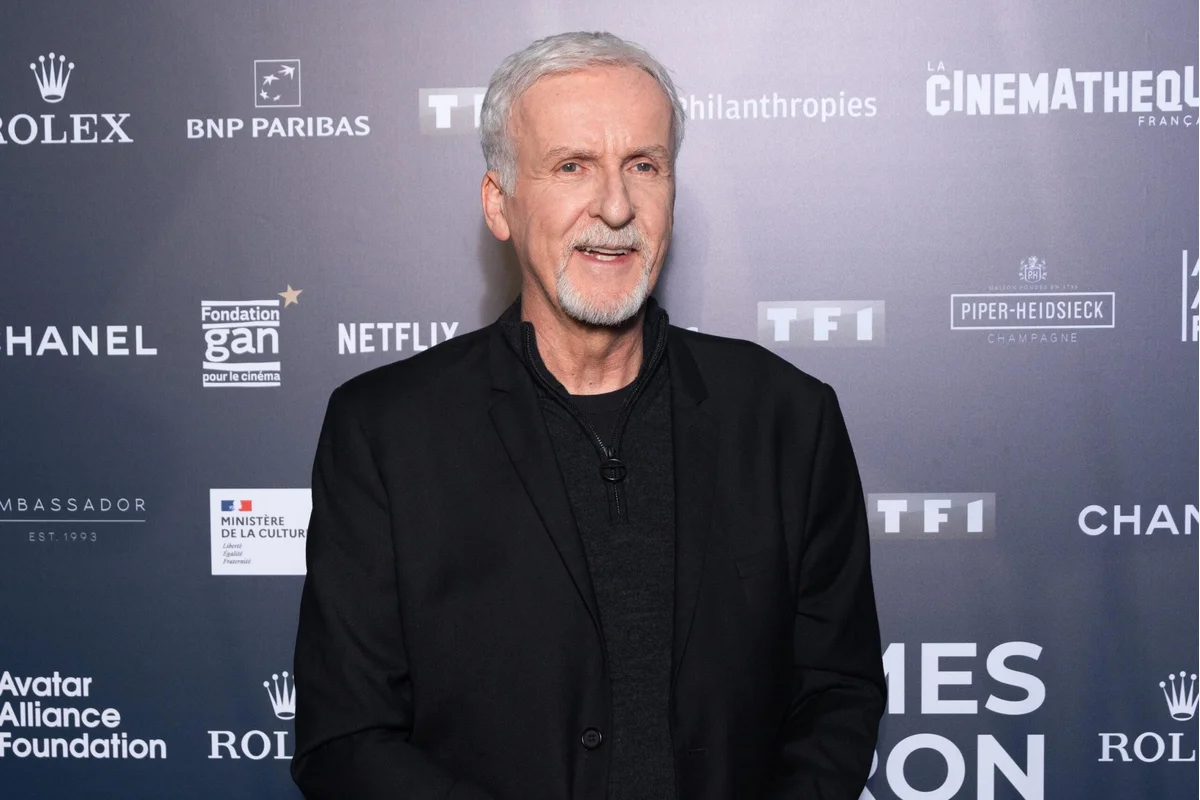
James Cameron has strongly warned that it would be a significant mistake if Netflix were to acquire Warner Bros. Discovery, voicing his concerns during an interview on Matthew Belloni’s podcast, The Town. In the same conversation, Cameron also shared his preference for Paramount Pictures, specifically David Ellison’s involvement, arguing it would be a better outcome. The debate comes as both Netflix and Paramount are reportedly in the running to bid for Warner Bros, a move that could reshape the film industry.
Cameron Endorses Paramount Over Netflix Due to Theatrical Concerns
When pressed about the two major companies expressing interest in Warner Bros., Cameron made clear distinctions between them. He referenced his past work with David Ellison, having collaborated on Terminator: Dark Fate through Skydance, and asserted that Ellison would be a trustworthy steward for Warner Bros. Pictures. His concerns about Netflix, however, stemmed from statements made by co-CEO Ted Sarandos, who has previously declared, “theatrical is dead,” signaling to Cameron that Netflix’s intentions for major studio content might not favor the traditional moviegoing experience.
“Terminator: Dark Fate“), the filmmaker believes Warner Bros. Pictures would be in better hands, given Netflix co-CEO Ted Sarandos‘ openly saying theatrical is “dead
This remark highlights a fundamental disagreement between Cameron and Sarandos regarding the future of theatrical releases and their importance to the industry.
Cameron’s Direct Critique of Netflix’s Approach to Movie Releases
Cameron was emphatic in his criticism, delivering a blunt assessment of the situation:
I think Paramount’s the best choice . Absolutely. Netflix would be a disaster. Sorry, Ted, but geez. Sarandos has gone on the record saying theatrical films are dead. ‘Theatrical is dead. Quote, unquote,
Cameron remarked, leaving little doubt about his preference. He described the prospect of Netflix controlling such a major studio as detrimental to both movie audiences and the broader industry, emphasizing the foundational role the theatrical model has played in Hollywood’s legacy.
Debating Netflix’s Oscar Eligibility Tactics
As the discussion shifted to Netflix’s recent attempts to embrace theaters—albeit often with limited releases—Cameron expressed skepticism about the sincerity of such moves. Addressing the possibility of Netflix making more films eligible for the Academy Awards by offering limited theatrical runs, he responded with characteristic frankness:
I know, but it’s sucker bait, right. ‘We’ll put the movie out for a week or 10 days. We’ll qualify for Oscar consideration.’ See, I think that’s fundamentally rotten to the core. A movie should be made as a movie for theatrical, and the Academy Awards mean nothing to me if they don’t mean theatrical. I think they’ve been co-opted, and I think it’s horrific.
Cameron called out the practice as a loophole, arguing that films intended for streaming platforms, rushed into theaters simply to gain Oscar eligibility, undermine the spirit of traditional filmmaking and the value of the cinema experience.
Cameron’s Criteria for Academy Award Eligibility
When asked if Netflix films should remain eligible for Oscars, Cameron was unambiguous about his standard:
They should be allowed to compete if they put the movie out for a meaningful release in 2,000 theaters for a month.
He argued that only films with a genuine, widespread theatrical run deserve to be considered on par with traditional releases, pointing out that his own upcoming Avatar film would be shown on an estimated 7,500 screens, illustrating the scale possible for high-profile titles.
Give me a f***ing break, we’re going to be on 7,500 screens,
James Cameron, Director
Industry Perspectives and Cameron’s History as a Theatrical Advocate
James Cameron, a vocal proponent of theatrical filmgoing throughout his career, has consistently championed innovations designed to enhance the cinema experience, including his push for 3D technology in past projects. His latest comments underscore persistent concerns among Hollywood veterans regarding the dominance of streaming services like Netflix and the ways their business models might impact the landscape for theaters, filmmakers, and audiences. Cameron’s views stand in stark contrast to those who argue that streaming platforms democratize access to entertainment, instead expressing a deep-rooted belief in the communal and artistic value of movie theaters.
Upcoming Releases: Avatar and Concert Films Signal Theatrical Strength
Cameron continues to promote big-screen events, with his highly anticipated sequel, Avatar: Fire & Ash, set to arrive in theaters this December. Meanwhile, David Ellison and Paramount are also preparing for major releases such as Billie Eilish’s concert event, Hit Me Hard & Soft: The Tour (Live In 3D), premiering on March 20. These projects serve as examples of the types of large-scale productions Cameron argues are best served by robust theatrical distribution, reinforcing his call to preserve this essential component of the industry.
Industry Impact and What Could Happen Next
As speculation grows over the potential takeover of Warner Bros. Discovery, Cameron’s comments have ignited further debate over the future of Hollywood’s most storied studios. His endorsement of a Paramount-led takeover emphasizes his faith in traditional film institutions and their gatekeeping role for feature films. Meanwhile, the possibility of Netflix gaining control worries those who fear a diminished theater ecosystem and a further shift toward a streaming-dominated model. Industry stakeholders, as well as moviegoers, will be watching closely as bidding unfolds, knowing that the outcome could have lasting effects on how films are both produced and consumed.
Netflix buying Warner Bros would be a disaster.
James Cameron, Director
“Netflix buying Warner Bros would be a disaster.”
Listen to the full two-part conversation with James Cameron on The Town with @mattbelloni! pic.twitter.com/tLchu2OvI3
— The Ringer (@ringer) November 25, 2025
