
Christopher Nolan practical effects took center stage during the making of The Dark Knight in 2008, redefining what audiences could expect from comic book adaptations. The film’s ambitious visual approach, especially through its real-world stunts, contributed to its reputation as a groundbreaking entry in superhero cinema.
Pushing the Boundaries of Realism in Gotham
The Dark Knight set itself apart by relying on authentic, tangible visuals rather than digital wizardry, giving the film a signature sense of realism. Under Nolan’s direction, the cast and crew delivered feats that reinforced the story’s grounded atmosphere. The emphasis on in-camera effects was central to the film’s critical and fan acclaim, with many recognizing the practical craftsmanship behind its most memorable moments.
The Infamous Truck Flip: A Stunt That Made History
One of the most dangerous sequences in the film unfolded during a high-speed chase involving Batman and the Gotham City Police Department (GCPD), all in pursuit of the Joker, who commandeered a large truck through Gotham’s streets. In this standout scene, Batman maneuvers his Bat-Pod beneath the truck, ensnaring it with a cable that triggers a full flip, launching the massive vehicle through the air and onto its roof in one motion. This effect became an iconic moment cinematic fans still reference today.
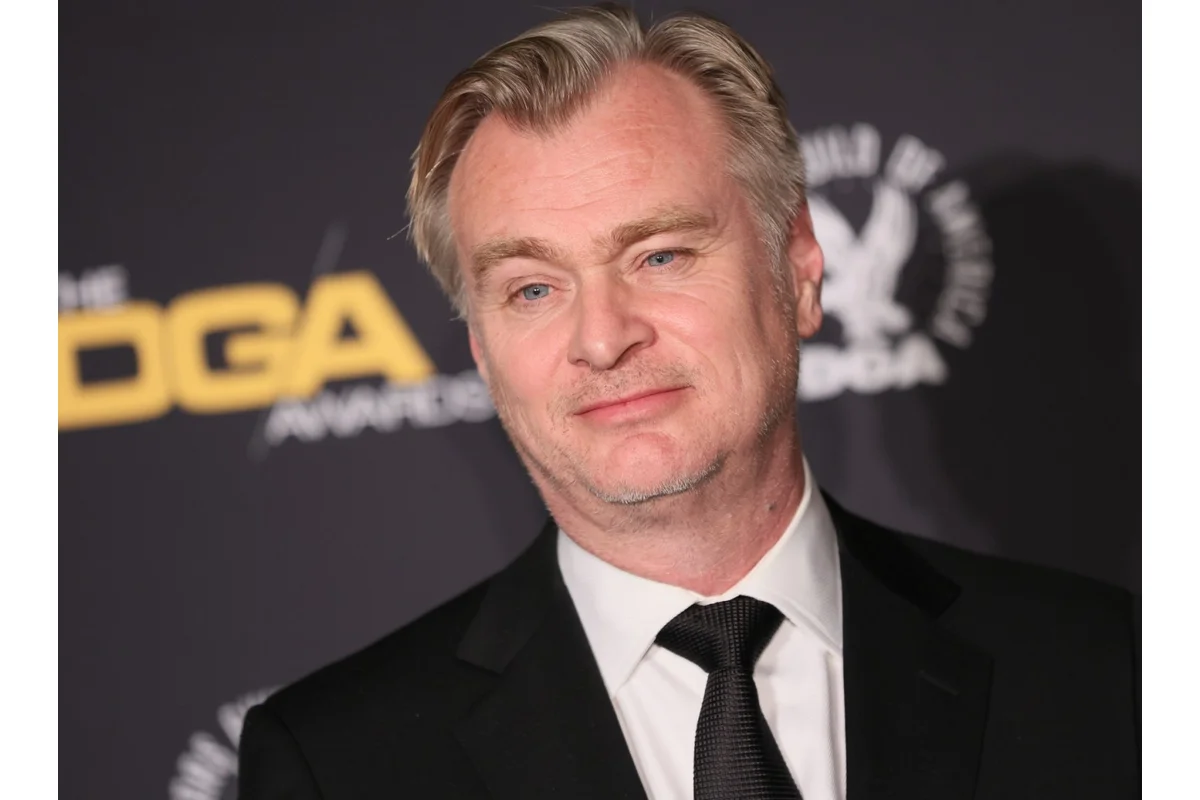
The special effects supervisor, Chris Corbould, played a pivotal role in conceptualizing and executing the stunt. Known for his collaborations with Nolan on films like Batman Begins and Inception, Corbould joined the director at the India International Film Festival, where he recounted the logistical challenges and the philosophy underpinning the sequence. According to Corbould, Nolan insisted that the effect be achieved without CGI—it had to be done for real. Corbould explained Nolan’s relentless approach:
“He pushes you to your absolute limits.”
– Chris Corbould, Special Effects Supervisor
Having worked with Nolan across several titles, Corbould emphasized their shared commitment to using digital effects only as a last resort. The intent was to capture the danger and impact in a tangible way, heightening the audience’s immersion in the story’s reality.
Engineering a Cinematic Feat
The setup for the truck flip required months of planning and precise execution. Stunt coordinator Paul Jennings, in a detailed conversation with IGN in 2010, described the step-by-step approach to realizing Nolan’s demanding vision. In preparation, the team tested the effect on a runway, ensuring the truck’s trajectory would remain straight when flipped. This controlled environment was selected to emulate the urban street where the scene would ultimately unfold, with one crucial factor being the risk of the truck crashing through nearby buildings if things went awry.
Jennings shared the complexity of bringing the stunt to the Chicago banking district’s La Salle Street, underscoring the elaborate safety measures needed to avoid catastrophe. He recounted:
“We did it twice. Once in a big area […] a runway, because we had to check that when it got blown over that it stayed straight. Because obviously, if it gets halfway up and falls to the side—we were in the middle of the Chicago banking district—it would’ve gone through a bank’s window. So we had to flip it once in rehearsal to check the pressure on the ram and then we went down to the street—it was La Salle—and we did it. We actually flipped the truck and it was standing again. It’s like 54-feet in the air when it’s at the top of it.”
– Paul Jennings, Stunt Coordinator
The technical hurdles extended beneath the street itself, as Jennings highlighted the need to account for sewers, pipes, and underground wiring—any of which could transform a planned flip into a dangerous accident. He explained how driver Jim Wilkey, an experienced Hollywood stunt performer, executed the feat with precision and nerves of steel:
“There’s a real guy driving that. Jim Wilkey. A great old stunt character from L.A. […] We had to be careful about the sewer and stuff and all the pipes under the road because a pipe was coming out with a hundred tons of pressure and if we got in the wrong place it would blow through the road and put a wedge in the road and stop the truck. So we had to find a part of the road where it didn’t have any wires or drains so that it didn’t punch through [it]. He just pressed the button and over he went.”
– Paul Jennings, Stunt Coordinator
The Mindset Behind the Stunt: Overcoming Fear
Pushing the boundaries of physical filmmaking demanded not only technical virtuosity but also psychological resilience from those involved. Jennings discussed the apprehension he faced on set, describing the way fear is managed in the world of professional stunts:
“There’s a point being where that’s as nervous as you can get, and that’s as scared as you can be, and then you’ve just got to focus on the job at hand, and not let the fear [and panic in]. Or not let the fear stop you doing what you need to do. […] That’s how you make mistakes. That’s why a good stuntman can be really afraid and still do it.”
– Paul Jennings, Stunt Coordinator
Jennings’ candid insight reveals how experience and focus enabled the seamless execution of one of cinema’s most memorable vehicle stunts. Throughout the film, Christopher Nolan and his team, including notable contributors like Chris Corbould and Paul Jennings, cultivated a high-stakes atmosphere, one that brought both suspense and exhilaration to the production and the final on-screen result.
Why These Effects Matter for Superhero Cinema
Beyond its storytelling and character complexity, The Dark Knight set new benchmarks for what superhero movies could achieve using real-world techniques. Christopher Nolan’s approach—employing practical effects over computer-generated imagery wherever possible—immersed audiences in the world of Gotham, making the dangers and stakes feel immediate and authentic. His pursuit of authenticity reinforced the film’s grounded aesthetic, firmly positioning the audience not in a fantasy world, but in a reality where the extraordinary appears feasible.
The effect of these choices is still felt today. Nolan’s work on The Dark Knight, spotlighting experts like Chris Corbould, Paul Jennings, and stunt driver Jim Wilkey, has inspired filmmakers to prioritize authenticity and craft in blockbuster moviemaking, especially in genres that often lean on visual effects. For many viewers and the film industry alike, the practical achievements in The Dark Knight are as memorable and influential as its dramatic plotlines.
The Dark Knight remains available to stream on HBO Max, allowing new audiences to experience the high-impact visuals that have defined Christopher Nolan’s legacy as an innovative director. As filmmakers continue to seek the balance between spectacular visuals and real-world believability, the practical effects witnessed in Nolan’s Gotham continue to be a benchmark for cinematic ambition and artistry.
