
Clint Eastwood, celebrated for his work in Westerns, delivered a powerful take on World War II by directing two films in 2006 that examined the conflict from both American and Japanese perspectives. Through the lens of the Clint Eastwood World War II narrative, these films, particularly Letters from Iwo Jima, showcased a rarely seen and deeply empathetic view of the Japanese experience during the conflict.
Eastwood’s Unique Exploration of World War II
Although his legacy is rooted in tales of the American frontier, Clint Eastwood has long been fascinated by stories of heroism and lived history. Beyond Westerns, Eastwood sought out underappreciated narratives, as seen in his earlier biographical film Bird from 1988. His interest in historical drama culminated in two 2006 films—Flags of Our Fathers and Letters from Iwo Jima—which examined the Battle of Iwo Jima from opposing sides.
Flags of Our Fathers depicted the struggles of American soldiers during their invasion of the Pacific Islands in the war’s closing moments, while Letters from Iwo Jima focused on the Japanese troops tasked with defending their homeland. Uniquely, Eastwood opted to shoot Letters from Iwo Jima primarily in Japanese, casting several lesser-known actors and fully embracing the cultural authenticity of his subject matter.
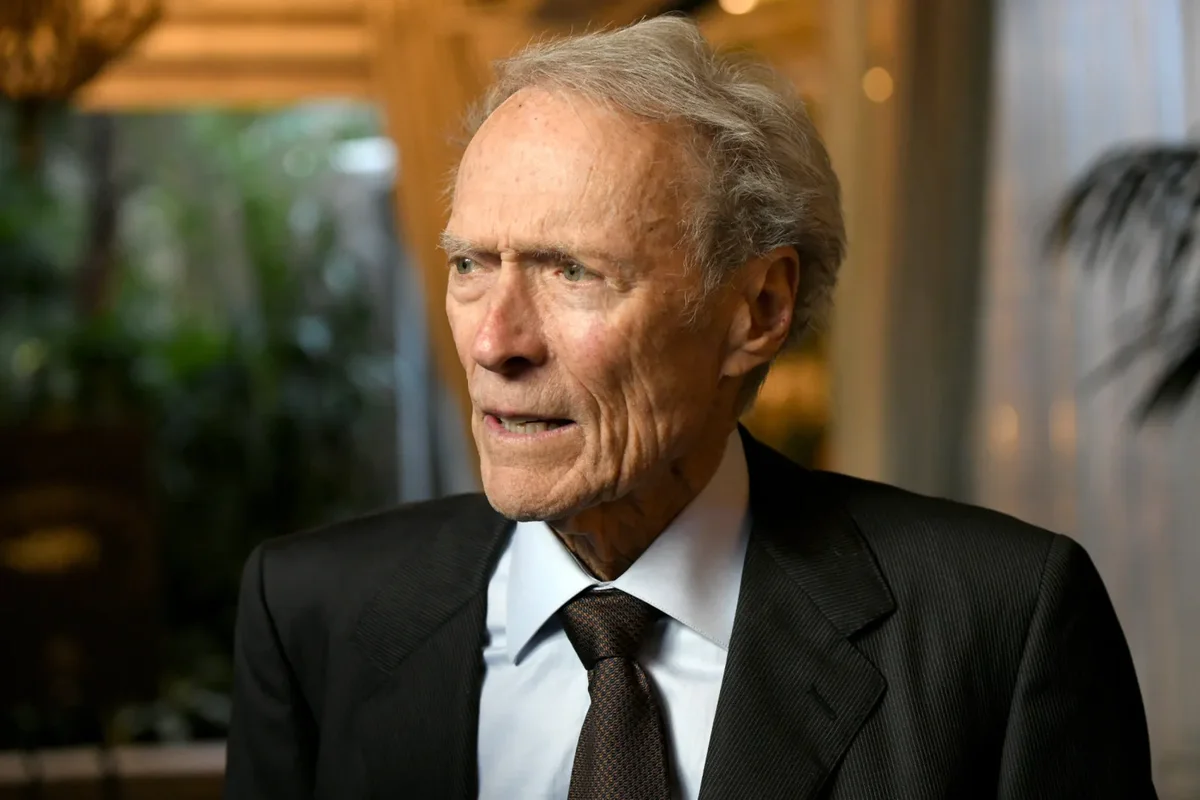
While Flags of Our Fathers appeared to be the more conventional and marketable project, it was Letters from Iwo Jima that ultimately resonated with audiences and critics, outperforming its counterpart at the box office. The film captured four Academy Award nominations, including Best Picture and Best Director, demonstrating Eastwood’s ability to handle sensitive, nuanced material with respect and depth. The empathetic storytelling and careful depiction of the Japanese perspective in wartime established the film as one of Eastwood’s most impactful works.
Charting Perspective in the Pacific Theater
Letters from Iwo Jima stands out for its commitment to showcasing a wide range of Japanese experiences during the tumultuous Pacific campaign. Clint Eastwood selected Ken Watanabe to portray General Tadamichi Kuribayashi, the leader who orchestrated Iwo Jima’s defense against the American invasion. Watanabe, previously acclaimed for his role in The Last Samurai, imbued Kuribayashi with a sense of unwavering honor and strength, echoing many of Eastwood’s own iconic performances.
Kuribayashi’s character, though celebrated for his courage and leadership in battle, is depicted as a compassionate figure, willing to endure the same hardships as his men. Bound by patriotism, he maintains loyalty to his nation while questioning the tactics employed by Imperial Japan’s higher ranks. This tension between duty and conscience is one of the film’s defining elements, offering a profound look at the inner conflicts faced by those in command.
Alongside leaders like Kuribayashi, Eastwood also weaves in the stories of less prominent individuals, such as Private First Class Saigo, played by Kazunari Ninomiya. By narrowing the focus to Saigo—a civilian baker conscripted into service with no prior military experience—the film reflects the larger reality faced by countless Japanese citizens driven to defend their country against impossible odds. The portrayal of ordinary civilians being thrust into war conveys the collective anxiety and fear permeating Japanese communities, while also highlighting the bonds of brotherhood that sustained them through hardship.
Eastwood’s attention to authenticity goes beyond casting; he explores not only battlefield tactics but the moral and psychological challenges facing each character. By showcasing the variety within the Japanese army—from high-ranking generals to young, inexperienced soldiers—he avoids monolithic representations and instead paints a nuanced portrait of a nation in crisis.
Building Empathy Through Authentic Storytelling
Known sometimes for the epic scope of his movies, Eastwood’s Letters from Iwo Jima justifies its length by thoroughly immersing viewers in the lives and struggles of its characters. The narrative employs flashbacks to flesh out the backgrounds of figures like General Kuribayashi, illustrating the peacetime experiences and personal dilemmas that shaped their conduct during the war.
The film also does not shy away from depicting the harsh conditions under which the Japanese troops suffered—faced with dwindling medical supplies, fatigue, and the trauma of continual conflict. One of the film’s most poignant devices involves framing scenes set in 2005, where archaeologists uncover letters and memoirs penned by soldiers like Saigo. Through these discoveries, the film emphasizes the importance of remembering the sacrifices and valor that often go unnoticed in the broader sweep of history.
This modern-day perspective reminds audiences that the stories Eastwood chose to tell are only fragments of a much larger, complex period. The act of rediscovering personal letters left behind on Iwo Jima underscores the enduring themes of memory and the legacy of war—making it clear that the film both preserves and honors the voices of the past.
Reconsidering the Portrayal of the Japanese Army
Eastwood’s approach in Letters from Iwo Jima marks a clear departure from traditional Western narratives of World War II, which often relied on stereotypes or one-dimensional portrayals of Japanese forces. The film’s commitment to linguistic and cultural accuracy helped establish a sense of authenticity seldom found in the genre, offering a respectful depiction of Japanese soldiers as individuals with unique motivations and values.
The history of war films is filled with depictions of the Japanese that have, at times, crossed into outright racism and xenophobia. By humanizing both the leaders and the rank-and-file, Eastwood’s film provides a more complete understanding of conflict and sacrifice. Alongside its companion piece, Flags of Our Fathers, which documented the ways American youths were shaped by war, Letters from Iwo Jima demonstrates that heroism, patriotism, and ethical dilemmas transcend national boundaries.
While Eastwood is sometimes described as an old-fashioned or conservative director, his passion for exploring overlooked corners of history and understanding people from different backgrounds is evident here. His sensitive handling of these stories makes Letters from Iwo Jima not just a war film but a significant work of global cinema.
Legacy and Impact of Letters from Iwo Jima
Letters from Iwo Jima has been widely regarded as a transformative portrayal of World War II, prompting both audiences and critics to reflect more deeply on the human experiences at the heart of conflict. The film’s emphasis on individual acts of bravery, the hardships faced by both civilians and soldiers, and the honesty with which it treats history have contributed to its lasting significance. As a result, it stands among Eastwood’s most celebrated films, often viewed as a crucial addition to the canon of war dramas and a valuable account of a pivotal moment in world history.
With notable performances from Ken Watanabe as General Tadamichi Kuribayashi and Kazunari Ninomiya as Private First Class Saigo, the film’s cast brings nuance to a story that aims to unify viewers around the principles of empathy, remembrance, and respect for the past. As viewers continue to revisit stories about the Pacific Theater, this film ensures the memory of all who served—and the complexity of the conflict—remains in focus.
Currently, audiences can access Letters from Iwo Jima on major video-on-demand platforms, making it possible for new generations to experience Eastwood’s remarkable achievement.
