
Director Jon M. Chu, known for his work on Crazy Rich Asians, has opened up about his approach to directing Cynthia Erivo’s standout performance in Wicked: For Good, specifically during the iconic “No Good Deed” scene. Shedding light on the unique challenges faced during cinematography, Chu made calculated decisions that led to a raw and emotional presentation, offering new insight into the process of Jon M. Chu directing Wicked and the collaboration that brought the story to life.
How Jon M. Chu Adapted Key Scenes for Performance Authenticity
No major scene in Wicked: For Good unfolded without careful consideration, especially when capturing Cynthia Erivo channeling Elphaba. Originally, the “No Good Deed” number was designed with Elphaba in motion, requiring Erivo to quickly disconnect herself from her stage harness mid-shot. However, Erivo and Chu recognized that the complexity hampered her ability to remain fully immersed in the moment. As revealed in an interview, Chu described the moment Cynthia Erivo took control, resulting in the powerful take that ultimately made it into the final cut.
“She did those versions of it, but one time she was like, ‘I don’t want to unrig and do the whole thing, it’s throwing me. Let me just do it here,’”
– Jon M. Chu, Director
“And she does it, and she’s just in it, and that’s the take we use. That’s why it’s messy—because our camera [operator] didn’t know it was happening. I forgot to tell them.”
– Jon M. Chu, Director
Chu found that the resulting stillness on screen amplified Elphaba’s emotional isolation, revealing how letting Erivo breathe within the character’s world could elevate the sequence further. The director discussed the impact of having the set cleared, allowing Erivo’s solo performance and raw emotion to fill the scene, entirely shifting the energy from technical precision to an organic, immersive experience.
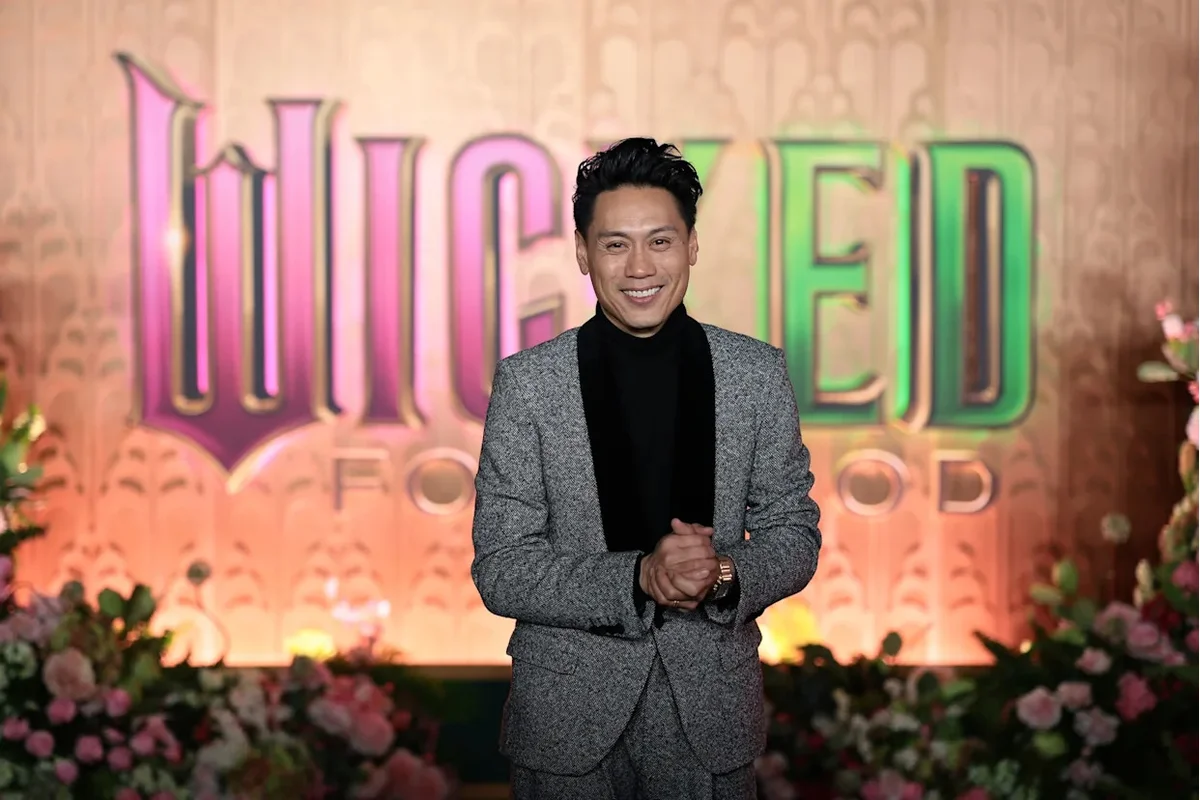
“I mean, she’s in a room alone, singing that while we’re shooting this,”
– Jon M. Chu, Director
“There is nothing around her; she is making the whole f–king scene. It’s pretty awesome.”
– Jon M. Chu, Director
Erivo’s ability to stand resolute, portraying Elphaba’s anguish and resilience, turned what might have seemed “messy” from a technical angle into an unforgettable moment for moviegoers. Despite the difficulties, Chu knew Erivo’s skills would capture the complexities of the character, as she had demonstrated in earlier sequences like “Defying Gravity.”
“We already knew what she can do, she did it in ‘Defying Gravity,’”
– Jon M. Chu, Director
“But ‘No Good Deed’ is not just a declaration, it is a struggle to find herself. It is Elphaba surrendering to herself — and there’s pain and anguish in that surrender. It’s questioning her past.”
– Jon M. Chu, Director
“I think it’s one of the greatest single performances of a musical sequence in a movie of all time. She is a revelation.”
– Jon M. Chu, Director
The Role of Improvisation in Building Emotional Depth
Sometimes, the most sincere moments in film emerge when actors are encouraged to innovate, as exemplified in the poignant goodbye shared between Cynthia Erivo’s Elphaba and Ariana Grande’s Glinda. During the emotional exchange between the two witches, the characters express love before emotionally breaking down on opposite sides of a closed door—a moment not originally scripted. Cynthia Erivo shared details about how the emotional climax developed organically between the two leads, largely thanks to Chu’s willingness to allow the actors to guide their characters’ farewells.
“The moment that I tell her I love her at the door, and she says it back, that was not in the script,”
– Cynthia Erivo, Actor
“All of that was sort of what she and I found in the room.”
– Cynthia Erivo, Actor
Jon M. Chu’s confidence in his lead actors extended to these crucial farewell moments, prioritizing their instincts about the characters’ motivations and emotional states. According to Erivo, having only minimal direction enabled an authentic, honest rendition of final goodbyes between Elphaba and Glinda.
“I think both of us were just figuring out how each of our characters would actually say goodbye,”
– Cynthia Erivo, Actor
“Even through the song, there wasn’t much direction. He just let us sing to one another. Tell each other the truth.”
– Cynthia Erivo, Actor
This openness to spontaneous creativity helped set Wicked: For Good apart from its stage roots, offering fresh emotional layers and intimate moments to the audience that went beyond what viewers had seen in the Broadway version.
Continuing the Saga: The World of Wicked Expands
Wicked: For Good picks up events twelve “tide turns” after Cynthia Erivo’s Elphaba made her dramatic escape, aiming to rescue Oz’s speaking animals. The sequel’s opening shows Elphaba intervening in the construction of the Yellow Brick Road and setting as many captive animals free as possible, which immediately reestablishes her role as Oz’s protector. Early in the film, a new song, “Every Day More Wicked,” debuts—an extended rendition from the start of the original musical. This sequence brings together Glinda (Ariana Grande), Madame Morrible (Michelle Yeoh), and others as they recount their ongoing struggle with the elusive Wicked Witch of the West, contextualizing the challenges ahead for both the main cast and the citizens of Oz.
Glinda’s Transformation: From Student to Good Witch
Consistent with the stage version, Wicked: For Good traces Glinda’s journey to officially becoming the Good Witch. Viewers see Glinda designated as the Wizard of Oz’s spokesperson and being presented with her magical traveling bubble and wand, formally welcoming her into her new role. This pivotal moment includes flashbacks to Glinda’s childhood, underscoring the differences in how society treated her and Elphaba as their magical abilities first appeared. While Elphaba’s peers feared her talents, Glinda’s friends celebrate when she appears to display powers, highlighting contrasting experiences for the two characters and setting up the emotional distance that shapes much of their story.
New Beginnings and Celebrations in Oz
In a significant departure from the original stage musical, the movie chooses a different pacing for the number “Thank Goodness,” which does not open the second act but instead accompanies a celebration marking the completion of the Yellow Brick Road and Glinda’s engagement to Fiyero (Jonathan Bailey), who has been promoted to Captain of the Gale Force. The festivities are disrupted when Elphaba intervenes, seizing the moment to warn the citizens of Oz about the Wizard’s intentions by writing messages in the sky—an homage to the 1939 film The Wizard of Oz, where the Wicked Witch performs a similar act.
Elphaba’s Efforts to Unite the People of Oz
The film continues to focus on Elphaba’s mission to shield Oz’s talking animals from persecution. One key sequence features her reunion with Dulcibear (Sharon D. Clarke) as she tries to convince the animals to stay. The newly introduced song “There’s No Place Like Home” captures Elphaba’s hope for a harmonious Oz, where compassion prevails among all its inhabitants. This vision is temporarily realized in music but remains under threat from ongoing conflicts.
The Cowardly Lion’s Expanded Role
The character of the Cowardly Lion (Colman Domingo), who makes only a brief appearance in the Broadway show, steps into a more prominent role in the film. Previously a rescued lion cub, he now confronts Elphaba, expressing resentment over what he perceives as her taking him from the life he knew and blaming her for his now-apparent lack of courage. These new interactions deepen the lore around the Lion and examine the unintended consequences of Elphaba’s well-meaning actions.
Nessarose Ascends as Wicked Witch of the East
Nessarose (Marissa Bode) assumes the governorship of Munchkinland following the death of her and Elphaba’s father (Andy Nyman), a fact conveyed differently between the musical and the movie. Nessarose enlists Boq (Ethan Slater) as her servant, motivated by unrequited love. Changes to the story see Nessarose release Boq to pursue Glinda, a gesture complicated by unexpected travel restrictions for Munchkins. Lyrics in
“The Wicked Witch of the East”
reflect back on the sisters’ time at Shiz University and Nessarose’s ongoing grievances toward Elphaba. While the musical has Elphaba enchanting Nessarose’s silver shoes allowing her to walk, the film alters this so the shoes allow Nessarose to float as she returns to her wheelchair, providing a distinct interpretation of the same event.
A Wedding and the Unfolding Wizard’s Plot
Expanding on the musical, the movie delivers a detailed sequence about Glinda and Fiyero’s wedding. Here, the plot thickens as Elphaba heads to the Emerald City to confront the Wizard (Jeff Goldblum). Together with Glinda, the Wizard attempts to sway Elphaba, performing a revised version of “Wonderful.” Although the Wizard promises freedom for the flying monkeys, Elphaba discovers his imprisonment of talking animals, including Doctor Dillamond. Her decision to free them creates chaos at the wedding and prevents Glinda and Fiyero from concluding their vows, escalating the stakes within the Emerald City.
Madame Morrible’s Calculated Actions
The audience witnesses Madame Morrible casting a cyclone spell—a pivotal moment shown rather than implied—resulting in destruction throughout Oz and ultimately sealing Nessarose’s fate. This visible depiction of Morrible’s power intensifies her role and connects directly to familiar plot points from the broader Oz mythology.
The Emergence of the Scarecrow
The narrative closely follows the transformation of Fiyero into the Scarecrow, instigated by Elphaba to save his life after he’s captured by guards. In the movie, viewers witness the transformation more graphically, with straw overtaking Fiyero’s body, making the change more tangible than the implied circumstances in the musical version.
Dorothy and Her Companions Arrive in Oz
Dorothy (Bethany Weaver) and Toto, absent as visible characters on stage, receive a subtle on-screen introduction. While audiences never get a clear view of Dorothy’s face, her presence is unmistakable as she travels with Toto, the Scarecrow, Tin Man, and Cowardly Lion toward the Emerald City. They are given a direct mission from the Wizard: to procure the Wicked Witch’s broom, and Dorothy is even given a line pleading for the Wizard to wait so she might return home—a nod to the original tale while embedding her purpose into the film’s final act.
Glinda’s Song and Her Breaking Point
Glinda, played by Ariana Grande, debuts a new song titled “The Girl in the Bubble,” reflecting on her sacrifices and the disillusionment brought on by her role. The realization that her sheltered life can no longer protect her, symbolized by the line
“it’s time for her bubble to pop,”
drives Glinda to seek out Elphaba and share her warnings about the Wizard’s true intentions. This creative addition gives more depth to Glinda’s arc and her evolving motivations.
Closure for Elphaba and Her Allies
As in the stage musical, Elphaba and Fiyero fake her death, allowing them to escape together. The film, however, goes beyond, depicting what becomes of supporting characters: Doctor Dillamond returns to Shiz University, Glinda practices with the Grimmerie, and Elphaba and Fiyero seek a life beyond Oz. The closing scene visually references the iconic poster of the musical, offering a touching homage for longtime fans.
The Time Dragon Clock’s Film Presence
The legendary Time Dragon Clock—central in Gregory Maguire’s book and present on the Broadway stage—has a subdued reference in the movie. It is only briefly mentioned, specifically during a scene where Glinda confirms Elphaba’s supposed death. This nod to fans familiar with Wicked’s deeper lore maintains continuity while allowing the film to focus on its main dramatic arcs.
Unlocking Elphaba’s Past and Motivation
The film differs from the stage adaptation by providing new narrative elements about Elphaba’s early years. A childhood flashback shows her using her powers, with Dulcibear, a talking bear, stepping in as her carer after her father, the Munchkinland governor, rejects her due to her green skin. These additional details underscore Elphaba’s sense of purpose in protecting Oz’s animals and her empathy for those who are outcast or endangered.
Arrival at Shiz and Pathways to Friendship
In the film’s retelling, Elphaba is not initially meant to attend Shiz University, arriving only to escort Nessarose. Her presence, however, soon becomes permanent after Madame Morrible observes her magical aptitude and insists that she enroll. The events echo the stage version, with an accidental room assignment pairing her with Glinda, setting off the series of unlikely friendships and rivalries at the heart of the Wicked storyline.
Doctor Dillamond and the Animal Resistance
Doctor Dillamond, voiced by Colman Domingo, continues as the outspoken history professor advocating for Oz’s talking animals. Unlike the musical’s focus solely on his classroom, the movie introduces other animal “freedom fighters,” establishing a broader resistance movement against the Wizard and providing further context for Elphaba’s commitment to their cause. The duet “Something Bad” is relocated from the classroom to a more private setting, adding gravitas to their shared mission.
The Evolution of Elphaba and Fiyero’s Relationship
The movie and musical both feature a love triangle between Glinda, Elphaba, and Fiyero but differ in execution. On Broadway, Fiyero almost runs Elphaba over as he arrives at Shiz by carriage; in the film, their first encounter occurs when Fiyero, on horseback in the woods, nearly misses her, joking that her green complexion allowed her to blend into the scenery. This new approach teases out their chemistry in a lighter, more playful manner, deepening the audience’s investment in their relationship.
Rescuing the Lion Cub: Parallels to Oz Lore
After news breaks that Doctor Dillamond is being dismissed from Shiz, a new professor introduces cages meant to contain animals, with an exhibit featuring a melancholy lion cub. Elphaba’s outrage is palpable. On stage, she compels the students and professor to chaotically dance while she and Fiyero rescue the cub; in the film, her strategy involves putting everyone to sleep with magical poppies, a clear allusion to the classic field of poppies scene from the 1939 Wizard of Oz.
Departing for the Emerald City
Subtle details differentiate Elphaba’s departure in the film from the stage show. Here, her father appears at the train station for a final meeting with Nessarose and is introduced to Boq—a scene that does not take place in the musical. This adjustment offers additional context for Elphaba’s strained family dynamics and links multiple subplots as the narrative advances toward the Emerald City.
The Mysterious Book: The Grimmerie’s Importance
The enchanted Grimmerie, a tome of powerful spells written in an ancient tongue, receives expanded attention in the movie. While audiences learn that the Wizard is believed to be the only person able to understand it, a new story section in the song “One Short Day” shows that the reality is quite different, with Elphaba herself capable of deciphering the book’s secrets. This revelation enriches the mythos surrounding the Wizard’s hold over Oz and underscores Elphaba’s unique significance in the story’s prophecy.
Cameos from the Original Broadway Witches
The movie offers audiences a special treat by including Idina Menzel and Kristin Chenoweth—Broadway’s original Elphaba and Glinda—as new characters called the “Wiz-O-Mania Super Stars.” They are featured in the altered version of “One Short Day” and interact with the principal cast in the Emerald City, serving both as a tribute to the stage production and an incentive for fans eager for nostalgia.
The Wizard’s Machinations and the Yellow Brick Road
Both musical and film versions portray the Wizard as initially charming, but the movie expands on this by introducing a giant scale model of Oz. He offers Elphaba and Glinda the chance to select the Yellow Brick Road’s color, embedding them (and by extension, audiences) in the creation of one of Oz’s most recognizable landmarks, while subtly reinforcing the manipulative dynamic between the Wizard and the Wicked Witch.
Defying Gravity: Extended and Reimagined
While the general plot surrounding Elphaba’s act one finale remains unchanged, the film adaptation extends her “Defying Gravity” number. In a major deviation, Elphaba experiences a vision of her younger self, motivating her to take charge of her destiny as she rises and departs from the Wizard and Glinda. Unlike the stage play, where this transformation occurs abruptly, the film allows for richer internal reflection, deepening Elphaba’s psychological journey.
Significance and Legacy: A More Personal Journey
With Jon M. Chu directing Wicked, the film finds fresh ways to blend spectacle and intimacy, providing a vehicle for actors like Cynthia Erivo and Ariana Grande to push the boundaries of their characters far beyond the limits of the stage. By allowing moments of improvisation and focusing on character depth, Chu’s adaptation breathes new emotional life into familiar stories. The attention to backstory, nuanced relationships, and small but meaningful changes connects Wicked: For Good to both seasoned fans and newcomers, hinting at even further expansion of the Oz universe as audiences revisit and reinterpret these timeless magical tales.
