
The Vin Diesel Fast X controversy has come to light with revelations about why longtime director Justin Lin stepped away from the blockbuster series in April 2022. According to recent accounts, Lin’s exit from the Fast & Furious franchise stemmed from creative clashes with Vin Diesel and a controversial plot twist that proved too much for the cast and studio.
Director’s Departure Linked to Disputed Storyline and On-Set Strains
Justin Lin’s exit from Fast X marked a pivotal moment for Universal’s multi-billion dollar franchise, which had previously thrived under his guidance. Insights from Barry Hertz’s book, Welcome to the Family, explore the turbulence of Fast X’s production, including alternate plans involving an ensemble of past villains led by Jason Momoa’s character, Dante. Despite persistent speculation about Lin’s sudden decision, these new details suggest there were irreconcilable differences.
Multiple production sources indicated that Lin became frustrated due to escalating tensions with both Vin Diesel and the studio. His vision for the movie included an unexpected twist: revealing that Little Brian, the son of Diesel’s Dominic Toretto, was actually the biological child of the villainous Dante, played by Jason Momoa. Universal and especially Diesel reportedly pushed back against this dark narrative turn, viewing it as too extreme for the saga’s legacy of family loyalty.
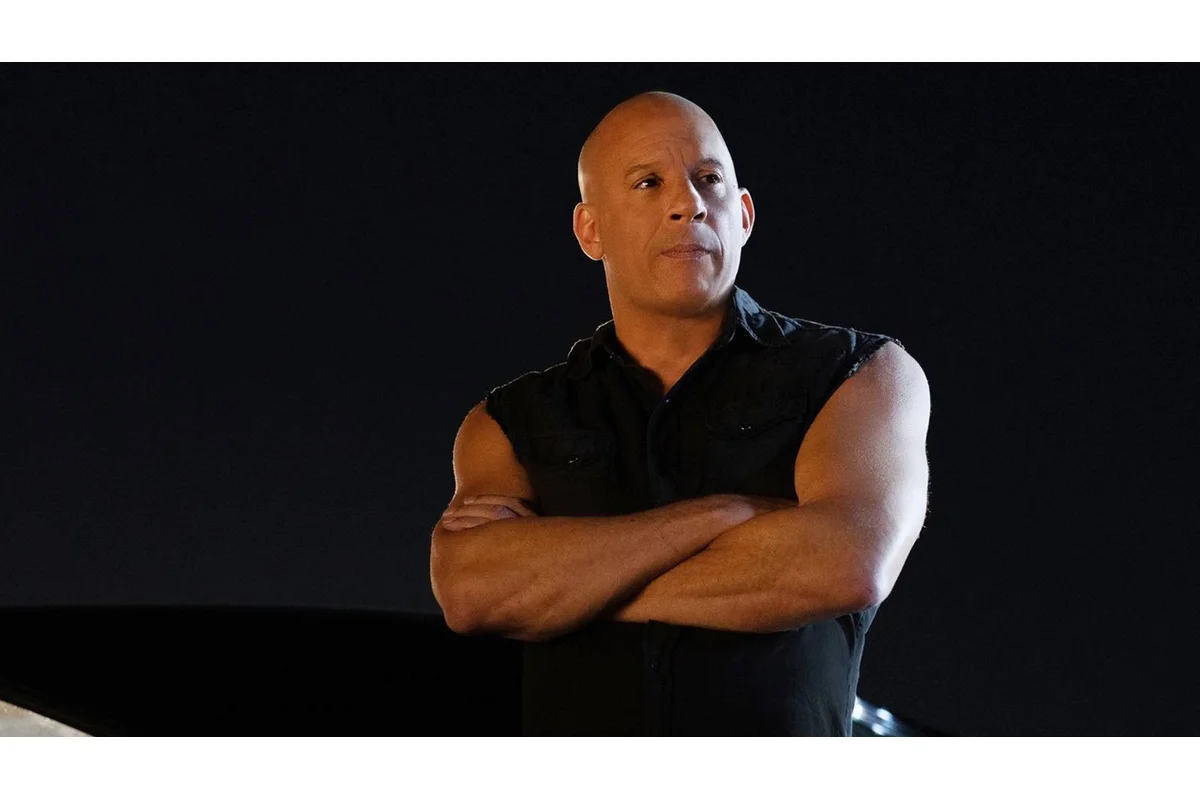
“Some members of the film’s team felt that the late-game turn was the perfect, if deeply dark, way for Dom to reckon with the concept he held most dear: family. The proud patriarch of the “Fast” clan would have to put his life on the line for a child who wasn’t biologically his own — who was in fact the offspring of his most feared nemesis. Others, including Diesel, felt differently.”
— Attributed to the film’s team via Barry Hertz, Author
Studio Pressure and an Over-the-Top Finale Fuel Division
Lin’s vision extended beyond character drama, as he also proposed a spectacle-laden finale centered on Dante unleashing chaos with a gigantic, excavator-style machine. This climax would have relied heavily on visual effects, potentially inflating an already enormous budget that had soared past $300 million.
Veteran cinematographer Alexander Witt described the planned conclusion as a departure from the franchise’s established tone, likening it to a “Transformers” or “Marvel” movie due to its reliance on computer-generated imagery and its exaggerated set pieces. The disagreements over this direction only amplified the conflict between the creative team and studio executives.
“It was really the ending that needed work — it’s difficult to describe, but this machine eats things…the bad guy goes down, gets into this machine, comes out and starts eating cars, and it’s like a ‘Transformers’ movie. It was totally out of context with the movie, I thought. I thought it was a little too Marvel, and the problem was it would have been all CG. Although we ended up with all CG in the end. From the moment that Dom jumps over the dam [in the final film], it’s all CG.”
— Alexander Witt, Cinematographer
Production Fallout and Impact on the Franchise
Amid mounting disagreements over both the script’s direction and the climactic set piece, Justin Lin withdrew from the project, placing Fast X in a state of uncertainty. Despite the upheaval, the film ultimately reached theaters, grossing approximately $704 million globally, though it drew mixed reviews from critics and fans alike. The cast, including Vin Diesel (Dominic Toretto), Michelle Rodriguez (Letty Ortiz), Tyrese Gibson (Roman Pearce), and Ludacris (Tej Parker), continued their roles, but the production struggles were evident behind the scenes.
Barry Hertz’s investigation highlights that the Fast X dispute involved not just creative vision but also financial constraints and brand identity concerns. Samantha Vincent, Diesel’s sister and one of the producers, became a part of the disputes, further entangling the relationships among the core team. The studio’s apprehension over escalating costs and the narrative risks contributed to Lin’s disillusionment.
Future of the Fast & Furious Legacy Now in Question
The choices made during Fast X’s production left a lasting mark on the series, with Universal now facing additional setbacks, notably a standstill on Fast and Furious 11 due to lingering backstage complications. The central themes of family and loyalty, championed by the franchise and Vin Diesel in particular, were tested by the creative ambitions for Fast X, bringing the spotlight to the difficulties in balancing tradition with innovation in long-running movie series.
As new behind-the-scenes accounts continue to emerge, the Vin Diesel Fast X controversy offers an inside look at how powerful personalities and bold storytelling gambits can reshape even the most successful entertainment empires. With known tensions among stars like Diesel, creative talents including Justin Lin and Alexander Witt, and Universal Studios at the helm, the future trajectory of the Fast & Furious legacy remains shrouded in uncertainty as the franchise’s cultural significance continues to evolve.
