
Christopher Nolan The Odyssey adaptation is poised to become one of the most ambitious cinematic projects in recent years, bringing together the director’s penchant for complex storytelling with the legendary narrative of Homer’s epic poem. Following the acclaim of Oppenheimer, Nolan is set to explore one of Western literature’s foundational works, with Matt Damon leading as Odysseus, in a movie that will revisit themes Nolan once almost tackled over two decades ago.
Nolan’s Epic Vision Follows a Legendary Path
Nolan has consistently drawn global audiences with grand-scale productions and intricate plots, as seen in films like The Dark Knight and Inception. Now, he is turning his focus to Homer’s The Odyssey, a story central to the Trojan War’s aftermath and one of literature’s most enduring examinations of the human quest for home. The film’s narrative follows Odysseus’s arduous, ten-year journey to return to Ithaca, delving deep into the effects of conflict, the meaning of identity, and the yearning for homecoming in the wake of trauma.
Homer’s The Iliad and The Odyssey are tightly connected tales; The Iliad recounts the siege of Troy and the wrath of warriors such as Achilles and Hector, while The Odyssey explores the struggle of Odysseus as he faces mythological creatures, gods, and the psychological cost of war on his long journey back. Nolan’s adaptation is distinct in that it serves as a thematic answer to the film Troy—a blockbuster that he once considered, but did not ultimately direct, at the start of his Hollywood ascent.
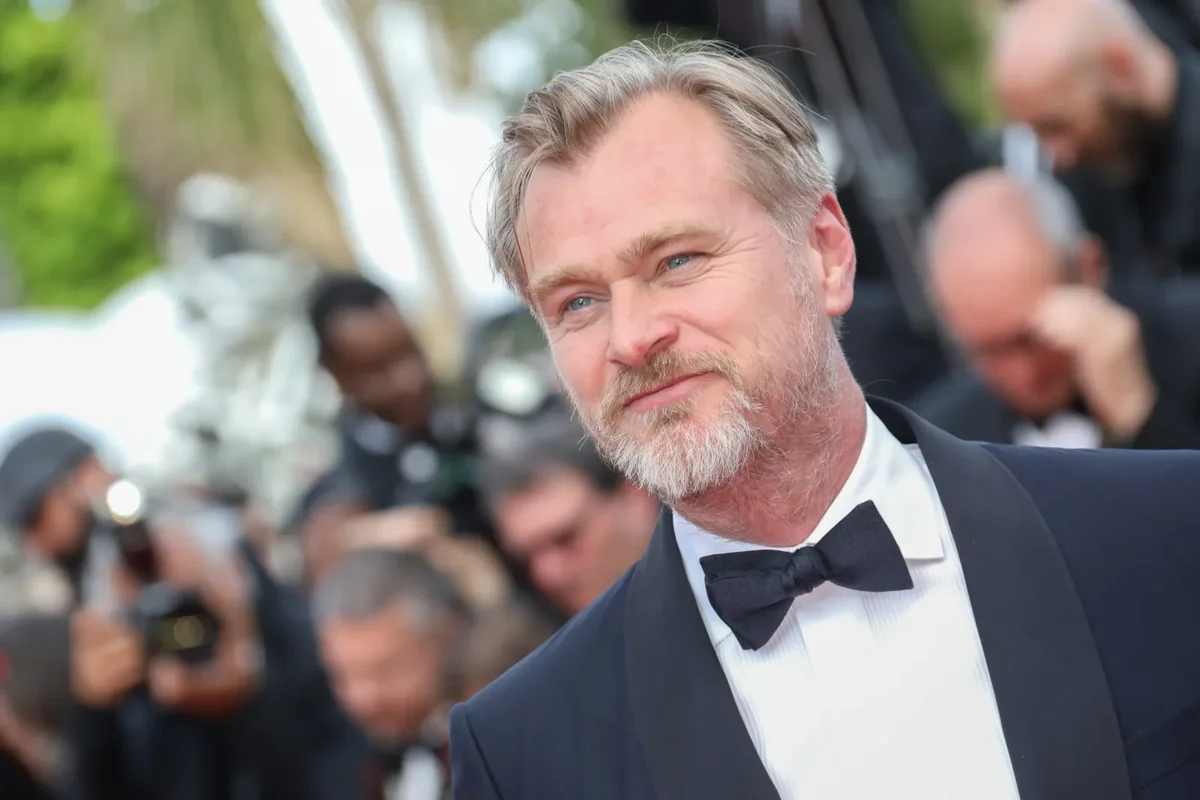
Nolan’s Early Brush with the Trojan War on Screen
At the beginning of the 2000s, Christopher Nolan was emerging as a significant filmmaker, drawing the attention of Warner Bros. after the success of Memento and Insomnia. The studio courted Nolan to direct a film adaptation of The Iliad, a sword-and-sandals epic that would ultimately become Troy. Nolan chose instead to refresh the Batman legacy, resulting in Batman Begins—a creative decision that forever changed the superhero film landscape and shaped Batman’s cinematic identity for a new generation.
Wolfgang Petersen’s Troy, which starred Brad Pitt as Achilles, Eric Bana as Hector, and Orlando Bloom as Paris, went on to become a global blockbuster, earning close to $500 million. While its grand battles and impressive scale won applause, critics took issue with the movie’s omission of the divine—removing the gods from direct involvement and focusing on a strictly human conflict. This approach left the film memorable for its spectacle but, for some, lacking in the depth and sense of mystery intrinsic to Homer’s original tales.
Now, over twenty years after stepping away from Troy, Christopher Nolan has come full circle. His return to Homeric legend with The Odyssey allows him to address the psychological and existential dilemmas of a soldier determined to reclaim his life, home, and sense of self. The journey moves beyond the exploits of war to probe the costs and complexities of post-war survival.
A Commitment to Authentic Mythology
Nolan’s approach with The Odyssey appears to mark a decisive shift from Troy’s portrayal, embracing the mythological roots essential to Homer’s story. While Troy presented the Trojan War as a matter of human will alone, The Odyssey will actively integrate the influence of the gods, making them pivotal characters in the unfolding drama of Odysseus’s return.
The cast of Nolan’s adaptation reinforces this commitment. Charlize Theron will bring the sorceress Circe to life, playing a central figure who famously transforms Odysseus’s men into swine. Zendaya is set to appear as Athena, the goddess who serves as Odysseus’s divine protector and advisor throughout his journey. Robert Pattinson is reportedly cast as Poseidon, the vengeful sea god and the protagonist’s chief adversary. The gods will not just be mentioned—they will shape the very twists and trials that define Odysseus’s odyssey, capturing the full drama of Homer’s original intent.
Anticipation Builds for a Monumental Release
Filming for The Odyssey has been completed, and anticipation is steadily mounting for its scheduled theatrical release on July 17, 2026. With Matt Damon at the forefront, supported by Charlize Theron, Zendaya, and Robert Pattinson, the film is expected to blend Nolan’s trademark realism and psychological nuance with the vibrant world of Greek gods, monsters, and epic voyages.
For longtime Nolan fans and newcomers alike, the movie represents more than just another literary adaptation. It is a return to the director’s fascination with the consequences of choices and the enduring quest for meaning—this time against the backdrop of one of the greatest adventures ever told. From his near-involvement in the making of Troy to this long-awaited realization of The Odyssey, Nolan continues to reimagine the intersection of myth and human experience for a worldwide audience.
As ComicBook.com and other sources discuss the complexities Nolan brings to his projects, the emotional intensity surrounding The Odyssey’s upcoming release reflects both the director’s storied career and the lasting appeal of Homer’s poetry.
“Every Christopher Nolan Movie, Ranked by How Complicated He Made Them”
– ComicBook.com
The film’s embrace of mythological elements, combined with a star-studded cast and Nolan’s dedication to large-format storytelling, suggests that The Odyssey will stand apart not only from previous adaptations but from much of modern cinema. Audiences eager to witness Nolan’s interpretation of Odysseus’s trials will not have to wait long, as the movie’s release promises a major event in the world of film, literature, and pop culture.
Looking ahead, Christopher Nolan The Odyssey adaptation is set to renew interest in both the ancient text and the enduring relevance of its ideas. As conversations about its style, faithfulness to Homer, and psychological depth begin, the world waits to see how Nolan’s vision will transform one of history’s most celebrated journeys into an unforgettable cinematic epic.
