
James Cameron on AI actors drew intense attention recently, when the celebrated director described the concept of entirely digital performers as “horrifying,” voicing concern over the spread of generative AI in Hollywood during a CBS’ Sunday Morning interview. These remarks come as industry discussions intensify about the role of artificial intelligence amid announcements like the debut of AI performer Tilly Norwood at the Zurich Summit.
James Cameron’s Decades-Long Stance on Technology in Film
Cameron, known for groundbreaking films such as The Terminator and the Avatar franchise, reflected on early misconceptions about his use of visual effects when developing the first Avatar movie in 2005. Some in Hollywood believed Cameron intended to replace human actors with computer-generated graphics, even before generative AI became prevalent. He responded to these perceptions by emphasizing his commitment to real performers.
For years, there was this sense that, ‘Oh, they’re doing something strange with computers and they’re replacing actors,’ when in fact, once you really drill down and you see what we’re doing, it’s a celebration of the actor-director moment.
– James Cameron, Director
Cameron Expresses Distaste for AI-Generated Performers
Now, with generative AI gaining ground in the entertainment sector, Cameron has expressed even stronger objections to the concept of digital actors created entirely by software. He argues that making up performances through artificial intelligence undermines the very heart of filmmaking.
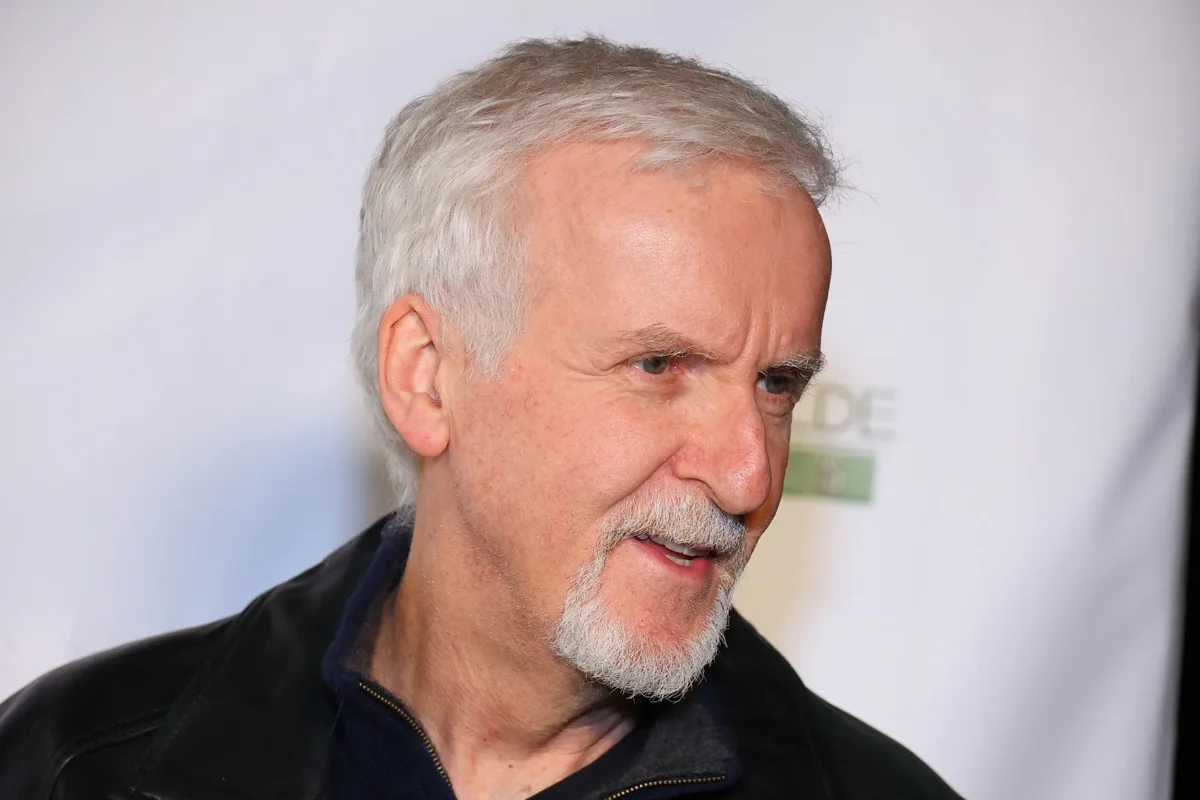
Now, go to the other end of the spectrum, and you’ve got generative AI, where they can make up a character,
– James Cameron, Director
They can make up an actor. They can make up a performance from scratch with a text prompt. It’s like, no. That’s horrifying to me. That’s the opposite. That’s exactly what we’re not doing.
– James Cameron, Director
AI Performer Tilly Norwood Drives Debate at Industry Summit
The debate intensified when, in September, Eline Van der Velden—comedian and producer—introduced AI performer Tilly Norwood at the Zurich Summit. Van der Velden reported immediate interest from several talent agencies. However, this innovation triggered rapid backlash from established industry professionals, who questioned the implications for human actors and filmmakers.
Industry Voices See Gradual Expansion of AI in Film Production
Although criticism was swift, Van der Velden contended in a Variety interview that artificial intelligence will find expanding roles within cinema, initially through effects and background shots before advancing to more prominent uses.
I think it will be a slow progression,
– Eline Van der Velden, Comedian and Producer
I’m sure in the coming year, there’ll be plenty of effects that will be made with AI. There’ll be some establishing shots, there’ll be some second-unit shots with AI, and then slowly, we’ll progress to a full AI film. And whether people will pay for an AI film or not — I don’t think they’ll know the difference. It’s good storytelling that will be the reason why people will pay for it or not.
– Eline Van der Velden, Comedian and Producer
What This Means for the Future of Hollywood
The emergence of AI performers such as Tilly Norwood and comments from figures like James Cameron underscore the anxiety and division within Hollywood about the technology’s impact on artistry and employment. As major events such as the Zurich Summit attract industry debate and talent agencies express curiosity, the coming years are likely to see ongoing controversy over the creative and economic consequences of artificial actors. While Cameron and allies insist on prioritizing real actor-director collaboration, others such as Van der Velden continue experimenting with AI’s potential, putting the future of traditional filmmaking at a pivotal crossroads.
