
Jodie Foster has weighed in on the ongoing Martin Scorsese streaming series argument, suggesting that “Killers of the Flower Moon” would have thrived as a limited series rather than a feature film. During her appearance at the Marrakech International Film Festival, Foster reflected on the film’s adaptation of the Osage murders and argued that streaming allows richer, more expansive narrative opportunities than traditional cinema offers today.
Exploring the Strengths of Streaming Over Traditional Film
At the festival, where she accepted the Tribute Award, Foster shared insights from her recent experience starring in “True Detective” season 4. Having witnessed firsthand the creative flexibility that comes with long-form storytelling, Foster emphasized the unique strengths of streaming platforms, particularly in the current American media landscape. She believes that these platforms now serve as the main stage for deep, innovative narratives.
“Streaming is able to do things that we’re not able to do in traditional mainstream movies anymore. Real narrative now in the United States is on streaming. Big franchise superhero movies are what you see in the movie theaters, but the real, real narrative is on streaming. You’re able to tell eight-hour stories, or five-season stories, where you can explore every angle in a way that you could never in a feature. I love the freedom of that.”
– Jodie Foster, Actor
The actress explained how feature films, including those directed by legendary filmmakers like Scorsese, are often constrained by time limits and commercial expectations, which can restrict the depth and complexity of their stories. She referenced “Killers of the Flower Moon” as a prime example where a streaming series might have opened up underexplored facets of the narrative.
The Case for “Killers of the Flower Moon” as a Series
Based on true events, “Killers of the Flower Moon” recounts the murders of Osage tribe members in the 1920s after oil was discovered on their land— a story known for its intricate details and multitude of perspectives. The film, featuring Leonardo DiCaprio as Ernest Burkhat and Robert De Niro as William King Hale, drew critical acclaim, boasting a 93% rating on Rotten Tomatoes. However, even with a lengthy runtime near three and a half hours, some critics and viewers found the scope still too limited, especially regarding the representation of Indigenous characters such as Lily Gladstone‘s Mollie Kyle.
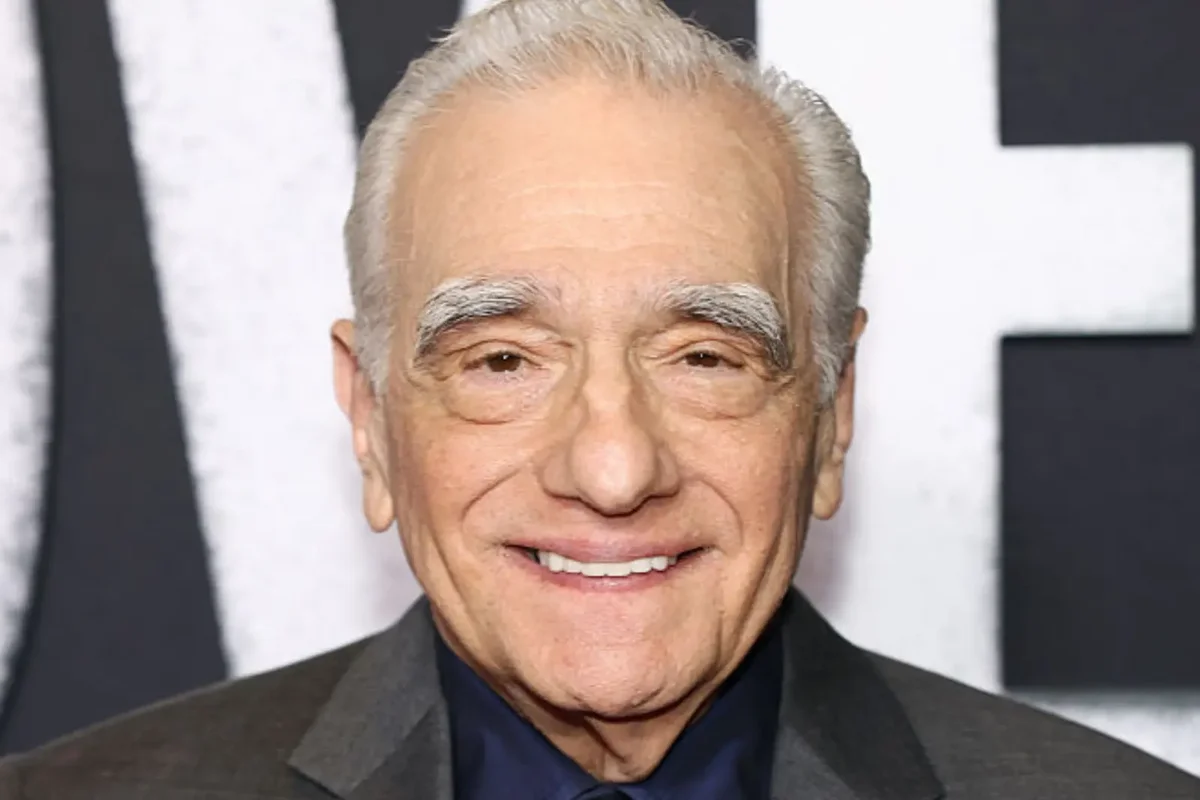
Foster drew attention to the way the film was dominated by the perspectives of its two main male characters, which in her view might have been balanced out more successfully in a longer, episodic format. She suggested that a streaming series would have offered the chance to give greater voice and visibility to the Osage women and other Indigenous characters, whose stories were largely overshadowed in the film.
“He wanted to explore the experience of Native America at that time and what we had was a very interesting movie about two guys who go back and forth and talk to each other. Everybody was sort of excited that the native story was going to be told and what they found was like, ‘Wow, all the native women are dead.’ They said, ‘Well, it’s a feature, we didn’t have time’, but there was time. There was an eight-hour limited series that was not made, that could have been made where, if you really needed to explore all the male toxic masculinity, you could have done that, but you could have had episode two actually centered on the native story.”
– Jodie Foster, Actor
In Foster’s view, the series route would have afforded an authentic look not only at the headline cases but also at the lived experiences of the Osage and other Native American communities, ensuring their stories were not reduced to background tragedy. She argued that while features are by necessity selective, streaming’s expanded time frame enables a full, multidimensional exploration of history and humanity.
A Conversation With Scorsese and Contemporary Filmmakers
Foster was clear that her remarks did not target Scorsese’s abilities or intentions. As someone who collaborated with him at a formative moment in both their careers—she starred in his 1976 classic “Taxi Driver”—Foster praised Scorsese’s ongoing contributions to cinema. Her hope is that directors of his caliber will embrace the streaming format more often, recalling the artistic experimentation found in his 2016 series “Vinyl” and anticipating future forays into long-form narratives.
“I can’t wait until he embraces that even more, because he has so much to bring to the table. So many filmmakers have so much to bring to the table, but they have this idea of, ‘Oh, wait, I just want to make a feature, but I don’t want to make an hour and 45 minute feature, I want to make a five-hour feature.’ You’re like, wait, why are we doing that in the theater?”
– Jodie Foster, Actor
Foster’s perspective echoes ongoing industry discussions, as many renowned directors wrestle with the transition from big screen epics to streaming productions. While the theatrical experience remains unmatched in spectacle and communal viewing, she believes streaming invites storytelling innovations that benefit both artists and audiences.
Critical Responses and Industry Debates
The conversation around “Killers of the Flower Moon” as a potential series rather than a film is far from settled. Foster’s take aligns with certain critical voices who found the movie’s impressive length still insufficient for fully developing key storylines and characters. For example, Lily Gladstone’s Mollie Kyle was a central figure whose role many critics felt deserved far greater emphasis. These critiques highlight the limitations films face when adapting sprawling historical dramas, especially those involving marginalized groups like the Osage tribe.
This debate has also brought forward discussions about equitable representation: how cinema can sometimes shortchange the stories of Indigenous peoples when forced into narrative shortcuts, and how streaming’s episodic nature could help remedy this by allowing for in-depth portrayals across multiple episodes.
Enduring Partnerships and Diverging Visions
Earlier at the Marrakech International Film Festival, Martin Scorsese sent Foster a surprise video tribute to honor her achievements and recognize the longstanding impact she’s had on his own work, demonstrating the deep respect and affection that remains between both artists.
“I want to congratulate you on this honor tonight in Marrakech. I only wish I could be there. You’re such an important part of my work and my career. There’s a joy in your work that you’ve created since before you could walk, actually … I’ll never forget the memory of you walking into my office at 8 or 9 years old and having more pull than anyone else in the studio at the time.”
– Martin Scorsese, Filmmaker
Despite this mutual admiration, Foster and Scorsese hold different views on the future of film and streaming. Whereas Scorsese remains a stalwart advocate for the collective theatrical movie experience, Foster is among those leading the charge for streaming as the next frontier of ambitious, character-driven storytelling. Their divergent but respectful opinions symbolize a creative industry in the midst of dramatic change, as both filmmakers and audiences adapt to new ways of experiencing complex stories.
A Shift in Storytelling for the Streaming Era
Jodie Foster’s arguments surrounding the Martin Scorsese streaming series argument reflect a passionate belief that the artistic possibilities of long-form streaming series are not just an opportunity but a necessity for stories as expansive as “Killers of the Flower Moon.” By calling attention to the creative freedoms streaming allows, Foster has helped frame the ongoing debate about how best to honor and explore true stories, particularly those with underrepresented voices. As the conversation continues, it is clear that the film and television industries are poised for further evolution, with talents like Foster, Scorsese, Leonardo DiCaprio, Robert De Niro, and others at the forefront of redefining narrative art in the United States and beyond.
