
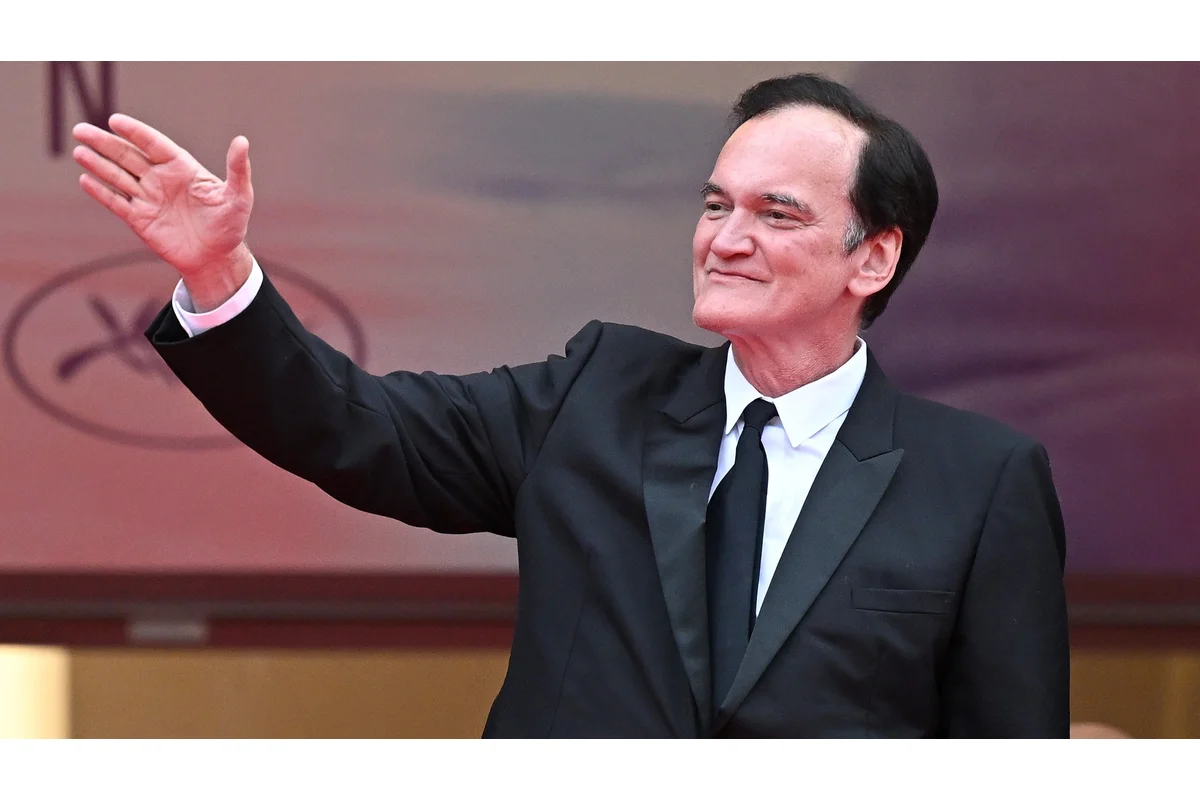
Quentin Tarantino, renowned for his daring style and controversial films, has long expressed a deep admiration for the cult classic Battle Royale. The Quentin Tarantino Battle Royale connection highlights how the visionary director, famous for Pulp Fiction and Once Upon a Time…In Hollywood, found inspiration and a sense of creative kinship in Kinji Fukasaku’s violent and provocative 2000 film, lamenting that he had not made it himself.
Battle Royale, directed by Kinji Fukasaku, is often described as a harrowing and intensely graphic examination of adolescence and society. The movie unfolds in a dystopian Japan, where, each year, the government selects one junior high class, forces them into a deadly contest with explosive collars, and demands that they kill each other until just one remains. Takeshi Kitano, remembered simply as “the teacher,” delivers a chillingly dark performance amid the relentless violence, establishing the movie’s unsettling authenticity and emotional force. Critical voices, like those at the Chicago Sun-Times, interpreted the film as
a magnified reflection of adolescence and humanity.
The attraction for Tarantino is readily apparent—his own works, like Reservoir Dogs, have featured moments scored to seemingly incongruous pop music such as
Stuck in the Middle With You.
He once acknowledged his admiration with an emphatic statement:
If there is any movie that has been made since I’ve been making movies that I wish I had made, it’s that one.
Restrictions and Rumors Surrounding Battle Royale’s US Availability
Although Battle Royale achieved notorious status at home, Western audiences faced years of deprivation from its visceral thrills. After its Japanese box office success, director Kinji Fukasaku disclosed to Midnight Eye that the Japanese government regarded the movie as harmful to the youth. This condemnation scarcely dampened its influence domestically.
However, Toei—the studio behind the film—opted not to release it in North America, driven largely by anxieties about post-Columbine sensitivities over graphic teen violence sparking controversy or legal action. Its absence on official channels bred urban legends among cinephile circles, with persistent but false claims that the film had been outright banned in the United States. The demand, however, persisted—bootleg DVDs and piracy inundated the early 2000s market, and Battle Royale continued to attract a fervent underground following, ultimately paving the way for its official U.S. release a full decade later in 2010.
Now, Battle Royale is firmly established as one of the most influential movies of the 21st century. Originally based on the novel by Koushun Takami, its impact has seeped into pop culture across continents—it inspired several manga, spurred the sequel film Battle Royale II: Requiem (completed by Kenta Fukasaku), and, as noted by Reuters, pioneered
the concept of the teen death game (via Reuters), the impact of
Battle Royale
can be felt in the South Korean mega-hit
Squid Game, as well as the global franchise The Hunger Games. Author Suzanne Collins has repeatedly insisted any likenesses between her work and Battle Royale are a matter of “coincidence.”
Honoring Battle Royale: Tarantino’s Homage in Kill Bill
Among the many striking performances in Battle Royale is Chiaki Kuriyama’s fierce portrayal of Takako Chigusa, known as Girl #13. Her narrative revolves around resisting a violent attack from her classmate Niida (played by Hirohito Honda); after being threatened, Chigusa takes her revenge by repeatedly stabbing him, a moment that exemplifies the film’s emotional intensity and visceral impact.
Deeply impressed, Quentin Tarantino cast Kuriyama as Gogo Yubari in his 2003 film Kill Bill: Volume 1. Kuriyama’s Gogo Yubari is an unforgettable force—a seemingly innocent high school girl who is in fact the deadly bodyguard to O-Ren Ishii, played by Lucy Liu. Her climactic battle with Uma Thurman’s Bride character ranks among the most intense scenes in modern cinema and cemented Gogo’s status among Tarantino’s most iconically memorable figures.
Even after two decades, Gogo Yubari continues to resonate across media. In 2025, to mark the special release of
Kill Bill: The Whole Bloody Affair,
the video game Fortnite introduced a Gogo Yubari character skin—an homage that further cements the intertwined legacy of Tarantino, Kuriyama, and Fukasaku’s film. Notably, Fortnite features its own version of a battle royale mode, echoing the themes that originated in the Japanese classic.
The Quentin Tarantino Battle Royale connection represents more than just directorial admiration—it stands as a testament to the far-reaching impact of Kinji Fukasaku, Kenta Fukasaku, and Koushun Takami’s original work. Icons like Chiaki Kuriyama, Takeshi Kitano, and Lucy Liu have become vessels for Battle Royale’s influence, bridging cultures and generations. Influences can be found across global media, from Niida and Takako Chigusa’s tragic struggle on screen to international hits like Squid Game and The Hunger Games. As the film’s legacy deepens in both art and popular culture, Tarantino’s own conflicted admiration only underlines its enduring power to provoke, disturb, and inspire directors, audiences, and creators worldwide.
