
James Cameron on AI in filmmaking remains a central issue as the renowned director, known for his technological innovations, strongly expressed his apprehension about artificial intelligence replacing live actors. While promoting the highly anticipated third film in the Avatar franchise, Cameron, celebrated for pushing cinematic technology to new heights, stated his opposition to generative AI being used for creating fake performances, emphasizing that authentic human acting remains irreplaceable.
In a recent interview on CBS Sunday Morning, Cameron elaborated on the potential for AI to enhance film production, especially by improving visual effects and reducing costs in an industry facing shifting market pressures. However, despite serving on the board of Stability AI, Cameron leveled criticism at the idea of AI fully substituting human performers.
“I think Gen AI will play a role in making VFX more efficient, and therefore cheaper,”
– James Cameron, Director
He noted that, while generative AI may streamline certain aspects of filmmaking, the suggestion that it should take over performing roles left him deeply unsettled. Cameron’s comments come at a time when debates around AI, human creativity, and ethical boundaries are intensifying throughout Hollywood.
Why Cameron Believes Human Performances Are Irreplaceable
Cameron stressed that, despite his reputation for technological leaps, his artistic philosophy celebrates the synergy between director and actor. He openly criticized the notion that computer-generated performers could truly substitute live actors, underlining the importance of protecting the unique, creative relationship forged during real performances.
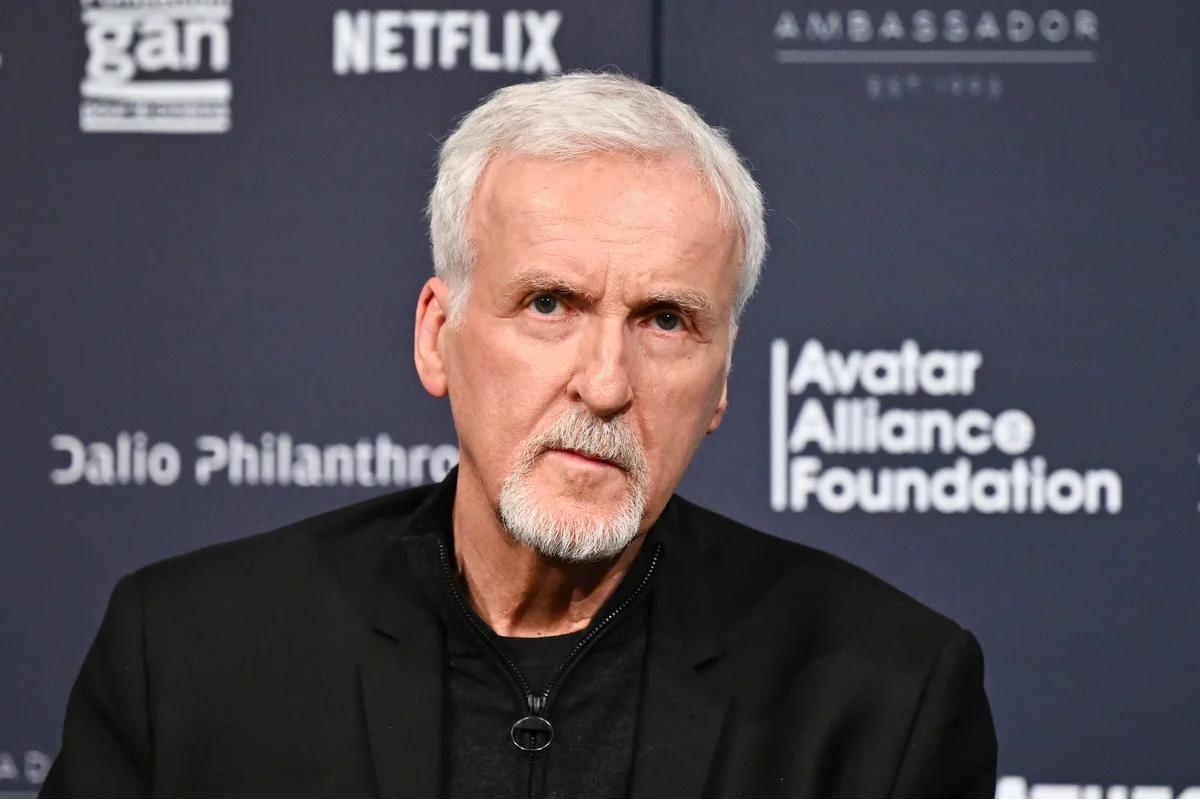
“For years, there was this sense that, ‘Oh, they’re doing something strange with computers, and they’re replacing actors,’ when in fact, once you really drill down, and you see what we’re doing, it’s a celebration of the actor-director moment. I call it the sanctity of the actor’s performance moment, and we’re celebrating that.
“Now, go to the other end of the spectrum, and you’ve got generative AI, where they can make up a character. They can make up an actor. They can make up a performance from scratch with a text prompt. It’s like, ‘No. That’s horrifying to me. That’s the opposite. That’s exactly what we’re not doing.’ I don’t want a computer doing what I pride myself on being able to do with actors. I don’t want to replace actors, I love working with actors.”
– James Cameron, Director
The filmmaker drew a sharp division between augmented and immersive technologies versus the concept of entirely fabricated AI actors. He reiterated that while advanced visuals and effects can elevate stories, the core artistic act—the emotion and subtlety brought by real people—cannot be engineered.
Cameron’s Views on Artistic Creativity and AI Limitations
The Titanic and Terminator director extended his critique to generative AI’s limits in capturing genuine creativity. Cameron explained that although AI models are impressive in their capacity to imitate, their reliance on past data means they cannot generate wholly original experiences, especially the intricacies embodied by an inspired screenwriter or a unique performer.
“What generative AI can’t do is create something new that’s never been seen. If you think about it, the models – it is a magic trick, what they can do is quite astonishing. But the models are trained on everything that’s ever been done before that; it can’t be trained on that which has never been done.
“So you will innately see, essentially, all of human art and human experience put into a blender, and you’ll get something that is kind of an average of that. So what you can’t have is that individual screenwriter’s unique lived experience and their quirks. You won’t find the idiosyncrasies of a particular actor. The act of performance, the act of actually seeing an artist creating in real time will become sacred, more so.”
– James Cameron, Director
He argued that every screenwriter’s lived experience and every performer’s idiosyncrasies contribute to singular, meaningful art. According to Cameron, watching an artist in the act adds value to storytelling that synthesized creations simply cannot convey.
The Future of Creativity and Human Connection in Film
James Cameron’s critique is grounded in decades of blending bleeding-edge technology with deeply human storytelling, exemplified by films such as Avatar, Titanic, and Terminator. His perspective arises from witnessing first-hand the ways digital tools can amplify but never entirely replicate what makes performers unique on-screen.
As Hollywood grapples with ethical debates around AI, Cameron’s stance could shape discussions across major studios and unions. His comments not only reflect an intense emotional reaction to the prospect of AI-generated actors, but may also influence how future productions aim to safeguard the roles and artistry of human creators—directors, screenwriters, and actors alike.
While advancements in AI continue to unfold, Cameron’s insistence on the value of real human connection and authenticity in film performances reaffirms the ongoing importance of flesh-and-bone talent at the heart of cinematic storytelling. His views will likely remain central as the industry balances innovation with the preservation of its creative soul.
