
James Cameron, director of “Avatar: Fire and Ash,” voiced strong objections to the idea of generative AI taking the place of actors, calling the concept terrifying in the context of filmmaking. Speaking about the expanding presence of artificial intelligence in the film industry, Cameron drew clear distinctions between traditional digital tools like motion capture and the capabilities of newer AI technologies, making his viewpoint clear on this evolving topic, especially for those interested in James Cameron on AI in filmmaking.
Cameron’s Perspective on Motion Capture Versus AI
Cameron, who is a board member at Stability AI, has long supported innovation in film technology but emphasized that not all forms of AI are created equal. Reflecting on his experience with the original “Avatar,” he expressed admiration for motion capture, describing it as the truest form of performance since it captures genuine interactions and emotions from actors in a digital format without substituting their craft. Cameron admitted he previously kept much of the motion capture process hidden during the making of “Avatar” to preserve the wonder for viewers but now openly celebrates it as essential to actor-driven cinema.
AI’s Role: A Dividing Line for the Director
The director underscored the key differences between performance-enhancing technologies and generative AI tools that fabricate actors or characters entirely from data. He explained that while tools like motion capture honor the collaborative moment between actors and filmmakers, generative AI fundamentally disrupts this dynamic by synthesizing performances from scratch, which Cameron cannot accept.
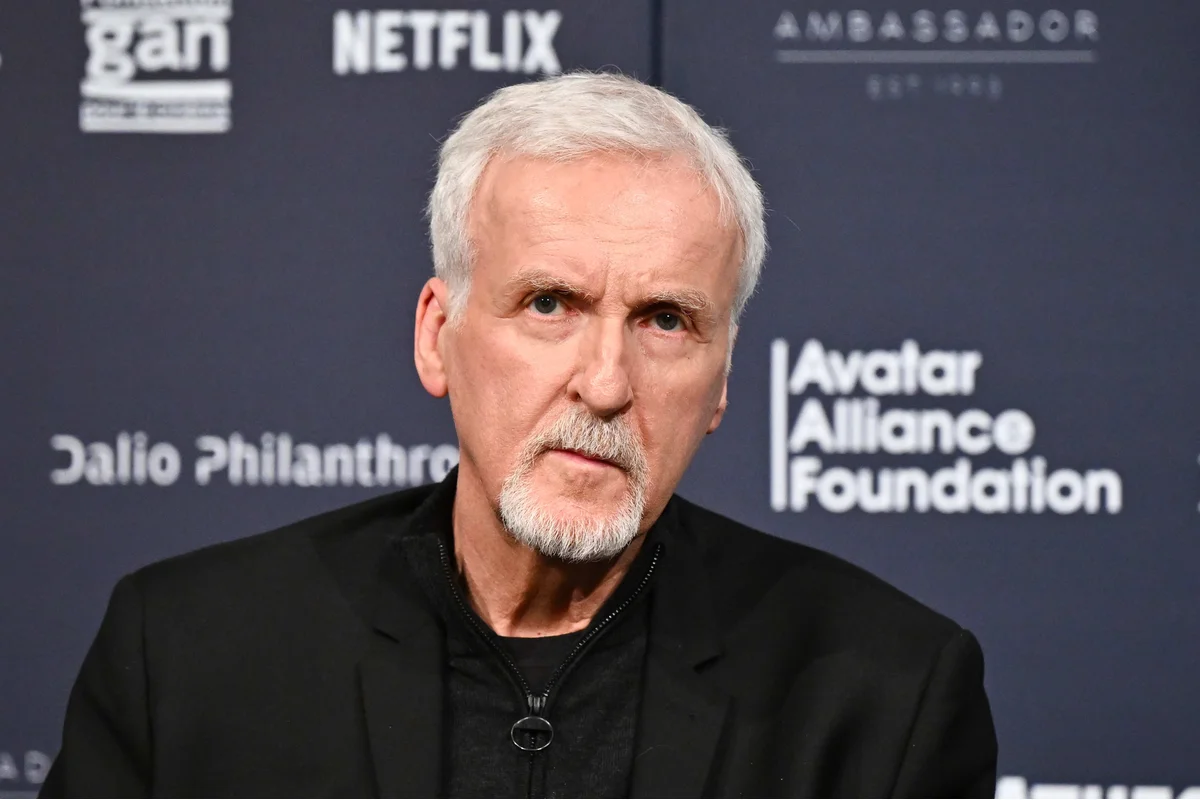
“For years, there was this sense that, ‘Oh, they’re doing something strange with computers and they’re replacing actors,’ when in fact, once you really drill down and you see what we’re doing, it’s a celebration of the actor-director moment, and the actor-to-actor moment. It’s a celebration of, I call it, the sanctity of the actor’s performance moment. Now, go to the other end of the spectrum, and you’ve got generative AI, where they can make up a character, they can make up an actor. They can make up a performance from scratch with a text prompt. It’s like, no. That’s horrifying to me. That’s the opposite. That’s exactly what we’re not doing.”
— James Cameron, Director
No Desire to Substitute Actors With Computers
Cameron emphasized his commitment to working with human talent rather than automation. He insisted that technology should enhance artistic collaboration without replacing the unique qualities actors bring to the screen, as their distinct approaches and histories deeply enrich the films they inhabit.
“I don’t want a computer doing what I pride myself on being able to do with actors. I don’t want to replace actors, I love working with actors.”
— James Cameron, Director
The Place of AI in Modern Movie Production
Despite his reservations, Cameron acknowledged that artificial intelligence could serve a practical role in the industry by making visual effects less costly. He pointed out the tightening economics of theatrical releases, which now rarely support original, high-concept science-fiction films unless they are rooted in established franchises. Cameron used “Avatar” as an example of a project that might never have been green-lit under current studio mindsets, highlighting the need to balance innovation with creative risk.
“Right now, imaginative films, fantastic films, science-fiction films — they’re starting to die off as a breed because they’re expensive and the theatrical marketplace has contracted, and now studios are only comfortable spending those kinds of dollar amounts with blue-chip IP, that which we’ve seen, that which we know. I mean, a movie like Avatar would never get made in that environment. That was brand-new IP; nobody had ever heard of it.”
— James Cameron, Director
Why Human Creativity Remains Essential
Cameron does not believe that generative AI will diminish the artistic merit of cinema but expects it will push filmmakers to be even more imaginative and disciplined. He argued that while AI can re-mix creative content based on existing data, it lacks the unique inspiration that comes from real individuals, reminding audiences and creators alike of the irreplaceable value of the artist’s touch and lived experience.
“It might [undermine the work], but it also causes us to have to set our bar to a very disciplined level, and to continue to be out-of-the-box imaginative … what generative AI can’t do is create something new that’s never been seen.”
— James Cameron, Director
“If you think about it, the models — it’s a magic trick, what they can do is quite astonishing. But the models are trained on everything that’s ever been done before that; it can’t be trained on that which has never been done.”
— James Cameron, Director
“So you will innately see, essentially, all of human art and human experience put into a blender, and you’ll get something that is kind of an average of that. So what you can’t have is that individual screenwriter’s unique lived experience and their quirks. You won’t find the idiosyncrasies of a particular actor… the act of performance, the act of actually seeing an artist creating in real time will become sacred, more so.”
— James Cameron, Director
Looking Ahead for Filmmaking and AI
The anticipated release of “Avatar: Fire and Ash” on December 19 brings these debates into sharp focus, highlighting ongoing discussions about the intersection of tradition and technology in cinema. James Cameron’s outspoken stance continues to resonate with actors, filmmakers, and studios, challenging them to weigh innovation against authenticity as artificial intelligence becomes more present in the creative process. As both art and industry evolve, Cameron’s perspective on AI in filmmaking will likely remain influential for years to come.
