
As DC Studios, led by James Gunn and Peter Safran, prepares to launch its next major production, rumors surrounding the budget of the upcoming Supergirl film have drawn widespread attention. Recent reports claiming a $200 million budget for the film have prompted James Gunn to address and reject these claims, keeping speculation about the film’s actual financing at the forefront of industry discussion. The focus keyword, James Gunn debunks Supergirl budget, is pivotal to the ongoing conversation around this anticipated release.
Supergirl: The Next Chapter in the DC Universe
Following Gunn and Safran’s initial rollout of Superman, DC Studios will soon premiere Supergirl, featuring Milly Alcock in the titular role and Craig Gillespie as director. The film takes its inspiration from Tom King and Bilquis Evelyn’s acclaimed comic, Supergirl: Woman of Tomorrow. Planned as a sci-fi adventure, the film looks to retain elements from its comic roots while introducing new characters, including Lobo played by Jason Momoa. The combination of genre and spectacle often comes with significant costs, drawing natural curiosity to its production budget.
Rumors and Direct Denial from James Gunn
A recent profile of Milly Alcock in Forbes Australia claimed Supergirl was being made with a $200 million price tag, lining it up with other big-budget superhero releases. When someone asked for confirmation of this number on Threads, James Gunn replied directly:
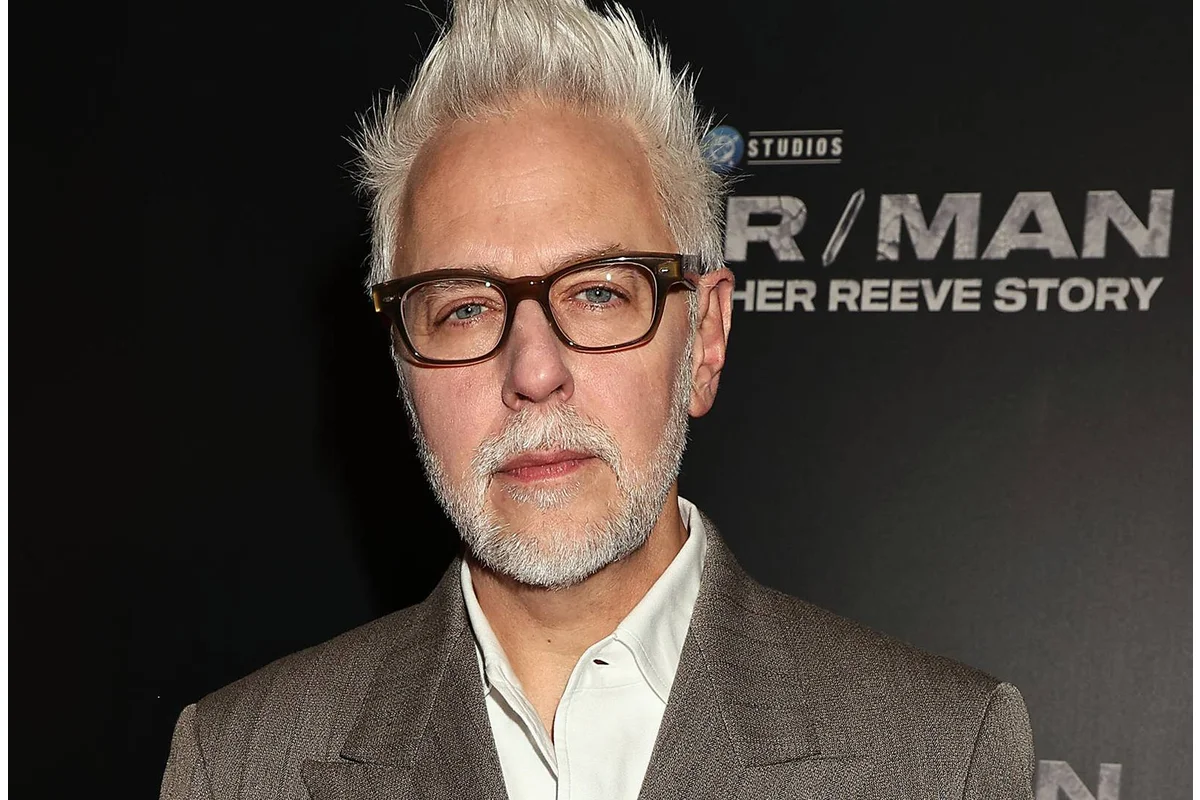
“Not even a little bit true.”
– James Gunn, DC Studios Chief
While this clear denial sets the record straight on the rumored budget, it is useful to compare with typical spending in the superhero genre, where such numbers are not unusual. For context, previous blockbuster budgets have included:
- Ant-Man and the Wasp: Quantumania – $388 million
- The Flash – $200 million
- The Marvels – $374 million
- Aquaman and the Lost Kingdom – $205 million
- Thunderbolts* – $180 million
- The Fantastic Four: First Steps – $200 million
Debate Over Superman’s Budget Highlights Cost Uncertainty
The budget conversation is not isolated to Supergirl. Recently, conflicting reports about the cost of David Corenswet’s Superman have added to the confusion. A document from Ohio claimed a $363.8 million budget for Superman. Gunn refuted this on Threads, stating:
“I don’t know if it’s faked or if it’s just some weird form an assistant in the Cleveland office filled out putting random stuff in the blanks. I sent it to our accountants and financial producers when it first came out a year ago and no one knew what it was. I can just tell you it wasn’t anyone on our team!”
– James Gunn, DC Studios Chief
Despite this, The Hollywood Reporter later indicated that the figure might have some accuracy. With tax rebates factored in, the commonly accepted total for Superman stands at around $225 million. These discrepancies highlight the challenge of pinning down precise financial figures for major studio films and fuel ongoing debates about transparency and cost control.
The Risks and Rewards of Big-Budget Superhero Films
If Supergirl had indeed carried a $200 million budget, it would be in line with comparable titles in the genre, but even on the lower end relative to its peers. However, such a budget would require a significant box office return, as marketing for superhero films almost never drops below $100 million. Factoring in production and promotional expenses, Supergirl’s break-even point would approach $600 million—a target that has been challenging in a market where even widely known brands face financial pressure.
In recent years, the superhero genre has witnessed declining returns. Although Superman reached a global gross of about $616 million, major titles including The Fantastic Four: First Steps have posted only moderate results, casting doubt on the ability of less-established characters to meet steep financial expectations. Supergirl’s relative obscurity, compared to major names like Superman or the Avengers, places it at a higher risk for underperformance.
Alternative Revenue Streams for Superhero Movies
Despite the risks of theatrical shortfall, DC Studios and others bank on broader business models. A film starring a niche character, such as Supergirl, can rely on merchandising, home entertainment, and brand partnerships to enhance profitability. These additional streams are increasingly important as box office numbers alone may not suffice to guarantee success for high-cost productions featuring new or lesser-known protagonists.
Supergirl is a focal point for this discussion as it is among the most high-profile superhero films planned for 2026, alongside proven franchises like Spider-Man and the Avengers. In contrast, films with much lower budgets, such as the reported $40 million for the horror-themed Clayface, face significantly lower hurdles for financial success.
Prospects for Supergirl in a Crowded 2026 Box Office
While the market is undeniably challenging, Supergirl stands a chance to connect with audiences where others have struggled. Excitement has built since Milly Alcock’s cameo as Superman’s cousin, sparking heightened anticipation for her starring role. The combination of Alcock’s performance, Craig Gillespie’s direction, and a celebrated source storyline gives the film a strong foundation for potential success.
As the release date of June 26, 2026 approaches, attention will remain on both financial numbers and creative output. Factors such as production reputation, audience response, and long-term franchise planning will shape Supergirl’s ultimate impact. For now, James Gunn’s outright rejection of a $200 million budget diffuses one rumor, but the broader questions of blockbuster profitability and the evolving fortunes of superhero films continue to loom large.
