
James Gunn, now co-CEO of DC Studios, has expressed his dissatisfaction with the visual style featured in the Zack Snyder Superman movies, emphasizing his preference for a more colorful and classic look for iconic characters. This sentiment, highlighted in the recently published book
“Superman: The Art and Making of the Film,”
marks a significant contrast to previous approaches in the DC Extended Universe (DCEU).
Gunn Pushes for a Vibrant Superman
Since his arrival at DC Studios, James Gunn has addressed the shortcomings he noticed in earlier adaptations of Superman, particularly under the direction of Zack Snyder. While Gunn refrained from naming Snyder directly, his critiques clearly reflect the widely noted visual tone of movies like “Man of Steel” and “Batman v. Superman,” which were defined by muted and desaturated color palettes. Gunn’s perspective became clear in his remarks from the book:
“I felt like there was a place for color, and the old-school look of fiction that had been missing from movies.”
– James Gunn, DC Studios co-CEO
Gunn further elaborated on his vision for the new DC Universe, saying:
“There’s just things you know we’re doing with the DCU that I think are different than what other people have done before in terms of creating an overall universe.”
– James Gunn, DC Studios co-CEO
His approach draws inspiration from Grant Morrison’s “All-Star Superman,” a story celebrated for its playful energy and vivid science fiction themes. Gunn emphasized his intention to bring “fun and…color” along with a
“sort of Silver Age science fiction feel”
to his take on Superman, setting a new tone for the franchise.
Snyder’s Visual Legacy and Its Critics
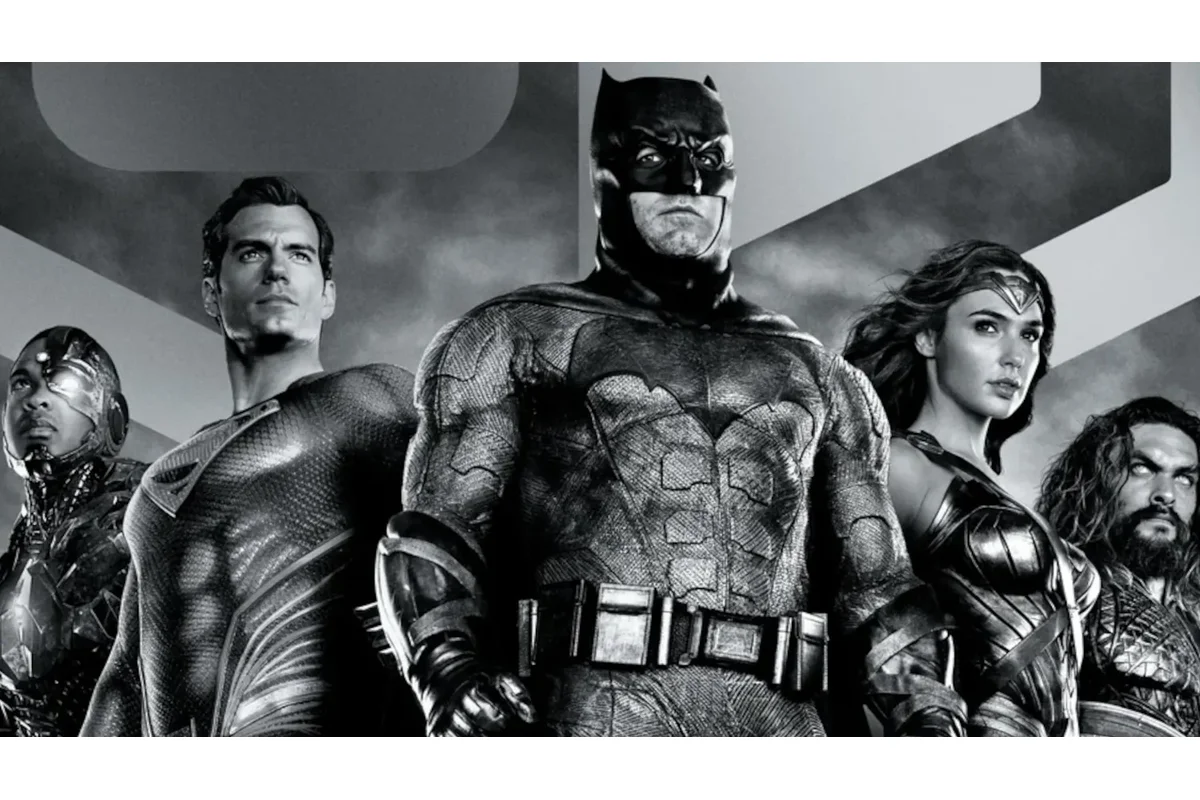
The Zack Snyder Superman movies were known for their somber atmosphere and visual restraint. The creative choice for a darker palette became synonymous with Snyder’s signature style, extending from “Watchmen” to his take on Superman and Batman. This vision often clashed with audience expectations for one of comics’ most hopeful heroes. Following Snyder’s departure from “Justice League,” a controversy over color grading further highlighted these differences. The switch in directors saw Joss Whedon, under Warner Bros.’ prodding, adjust Snyder’s original footage to make scenes brighter, moving away from the director’s innate preference for gloom and shadow.
Although Gunn never openly criticized Snyder by name, his statements about introducing a “colorful approach” signify a direct response to the aesthetics that dominated the DCEU. While Snyder’s approach created a distinct mood across his Superman films, critics such as Chris Snellgrove and many fans believed this style ill-suited a character as lighthearted and iconic as Superman. The existence of a special black-and-white “Snyder Cut” of “Justice League” only reinforced the director’s aversion to a brighter screen.
The New Direction Elevates Superman
James Gunn’s vision deliberately set out to contrast the serious and shadowy imagery associated with past films. Instead, Gunn aimed to evoke the dynamic futurism and colorful optimism of Superman comics from the 1950s and 1960s, giving audiences a new presentation that felt both nostalgic and fresh. This creative decision resulted in a Superman movie that stood apart from previous entries, attracting widespread attention from audiences and turning it into the most successful solo Superman film to date.
By pioneering this vibrant take within the DC Universe, Gunn has breathed new life into the Superman mythos.
“Superman: The Art and Making of the Film”
subtly acknowledges what many longtime followers of the franchise have expressed for years: that a brighter, more hopeful visual style feels truer to the character’s roots. With Gunn at the creative helm, the future of Superman and the broader DC Universe seems poised to deliver more visually compelling and faithful adaptations, moving away from the “dreary filmmaking” many associated with earlier DCEU works.
A Turning Point for DC Films
The rivalry of creative visions between Zack Snyder and James Gunn marks a pivotal chapter in the evolution of DC Studios and its treatments of Superman. With lingering debates over visual style and thematic direction, the impact of Gunn’s colorful philosophy could shape the identity of DC’s heroes for years to come. As the franchise looks forward, the lessons from past experiments—whether from Whedon’s lightening efforts on “Justice League” or Snyder’s original intent—will undoubtedly inform the ongoing transformation of the DC Universe on screen. Audiences, critics, and industry watchers alike will be focused on how Gunn’s dedication to color, optimism, and classic heroism influences upcoming productions in a genre always striving to balance darkness and hope.
