
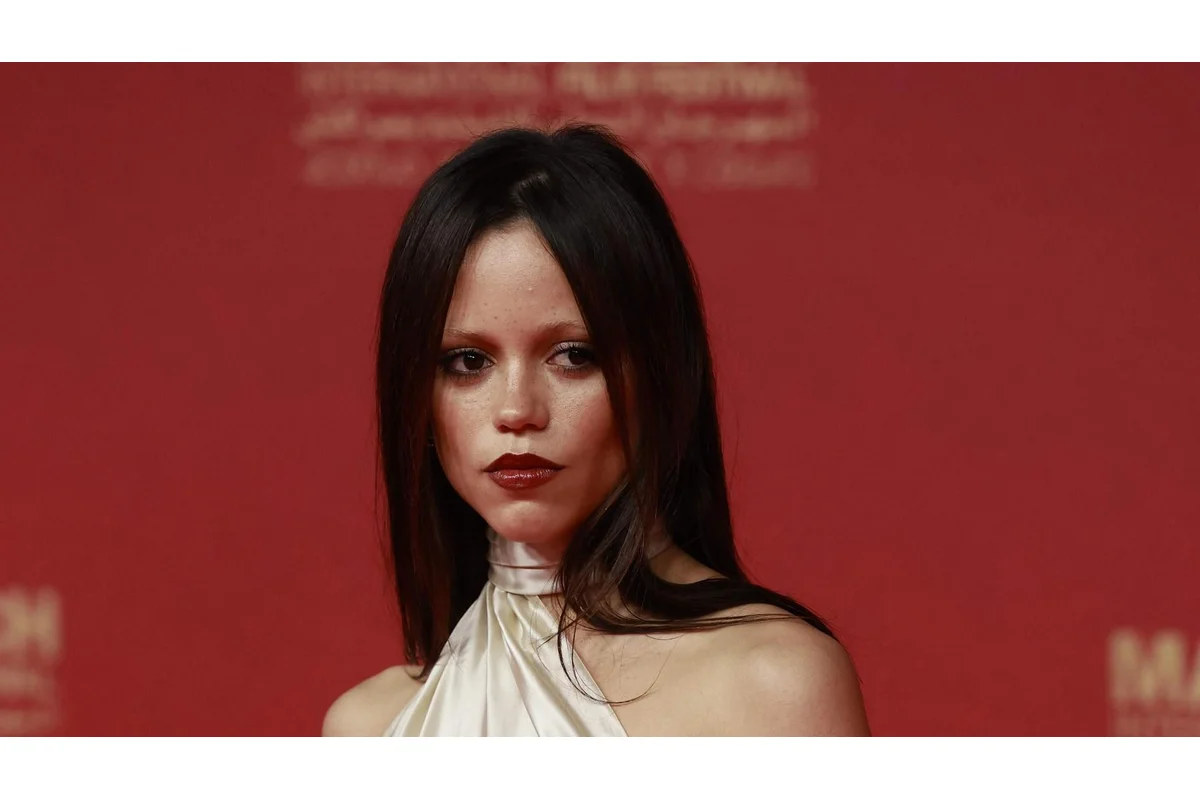
Jenna Ortega on AI in film became a central topic at the Marrakech Film Festival when the acclaimed actress and juror shared her apprehensions about the rise of artificial intelligence in the entertainment world. Speaking during a jury press conference on November 29, Ortega highlighted the divisive debate within Hollywood concerning the adoption of AI technologies for film and television creation, underlining how it may challenge the traditional essence of artistic expression.
The Foundations of Ortega’s Career and Her Presence at the Festival
Ortega, who began her career as a child actor and skyrocketed to fame with her performance as Wednesday Addams in Netflix’s popular series “Wednesday,” brought her experiences to the forefront during the event. As a juror at this influential festival, she addressed both her personal concerns and the broader industry anxieties about the transformative potential of AI tools in the creative process.
Exploring Fears and the Metaphor of Pandora’s Box
The actress made her unsettled feelings about artificial intelligence clear, suggesting the technology ushers in unprecedented uncertainty for artists and audiences alike. She expressed her deep trepidation surrounding the rapid technological advancements, equating the widespread implementation of AI to unleashing Pandora’s box—a scenario that could trigger unforeseen challenges for human ingenuity and intuition in storytelling.
“There is, weirdly, charm in the human condition and also, just, like, us as humans, we have a tendency to… when you look back at our history, we always take things too far, and I think it’s very easy to be terrified—I know I am—in times like this, of deep uncertainty. And it kind of feels like we’ve opened up Pandora’s box, in a way.”
– Jenna Ortega, Actress
The Threat to Creative Livelihoods
One of the most immediate consequences of artificial intelligence in entertainment has been the displacement of artists and mass layoffs across multiple industries. Ortega reflected on how these pressures have affected not only artists’ job security but also their drive to innovate and fight for recognition. She anticipates that adversity introduced by AI will galvanize creatives, pushing many to assert their voices with renewed passion, seeking to distinguish human artistry from machine outputs.
“[We] were talking about this a little bit yesterday, as a group. […] About how, in these difficult times and confusing times, oftentimes it pushes the artist to speak out more, to do more. For there to be this new awakening and passion and protection, and I want to assume, and hope, that that is the case. But there’s certain things that AI just isn’t able to replicate. And yes, there’s ‘beautiful’ in difficulty, and there’s ‘beautiful’ in mistakes, and a computer can’t do that. A computer has no soul, and it’s nothing that we’ll ever be able to resonate with, or relate to.”
– Jenna Ortega, Actress
The Disconnection Created by AI-Driven Content
Ortega warned of a scenario where an oversaturation of AI-generated content causes audiences to feel an indefinable dissatisfaction. Drawing on the idea that humans instinctively seek emotional resonance and imperfection—qualities AI struggles to replicate—she predicts that exposure to artificial content may eventually push viewers to long for the distinctiveness of artist-driven creations. This could spark a resurgence in appreciation for films and series crafted from genuine human experience.
“I don’t want to assume for the audience, but I would hope it gets to a point where it becomes sort of mental junk food—AI—and looking at the screen, suddenly we all feel sick, and we don’t know why. And then, that one independent filmmaker in their backyard maybe comes out with something, and it releases this new excitement again.”
– Jenna Ortega, Actress
The Need for Deprivation to Rekindle Artistic Appreciation
In her closing remarks, Ortega highlighted the paradoxical possibility that viewers may need to be momentarily deprived of authentic content to reawaken their appreciation for the unique insights that only human beings bring to art. She suggested this deprivation could serve as a catalyst for a new wave of creativity and emotional depth in storytelling.
“I think, sometimes—as terrible as it is to say—sometimes audiences need to be deprived of something in order to appreciate something again.”
– Jenna Ortega, Actress
Impact and Future Prospects for Artists and Audiences
The sentiments channeled by the Wednesday Addams star resonate powerfully within an industry already familiar with the economic and creative challenges posed by technological change. While Ortega acknowledges that artificial intelligence is now an immovable part of the landscape, she maintains hope that the urge for genuine artistic connection will ultimately drive both audiences and creators to seek—and celebrate—the authenticity of human-made art.
With the continued rise of machine-backed filmmaking and AI-driven social media, Ortega’s warning serves as a call to both filmmakers and fans to cherish the qualities in art that computers cannot reproduce, such as mistakes, emotional depth, and the soulful unpredictability of the human mind. The outlook may appear daunting for many artists, particularly with ongoing instability such as layoffs, but her vision suggests that the evolution of technology could, paradoxically, lead to a renewed appreciation for personal expression and creativity on screen.
Audiences may soon find themselves seeking out original works from independent filmmakers and distinctive voices from across the globe, as the collective longing for authentic stories becomes stronger than the allure of automated entertainment. As AI technologies continue their advance, the film industry could find itself at a turning point—one where the intrinsic value of human creativity rises to the forefront once again.
Jenna Ortega’s perspective reaffirms the irreplaceable role of artists in shaping the emotional heart of stories, even as filmmaking evolves in the era of artificial intelligence.
Jenna Ortega speaks out on the dangers of AI in film:
“I hope it comes to a point where it becomes mental junk food and we see it on the screen and feel sick and don’t know why. I think, as terrible as it is to say, sometimes audiences need to be deprived of something in order… pic.twitter.com/mdAIWqlRxO
— Variety (@Variety) November 29, 2025
