
Jodie Foster, recognized for her extensive career and two Academy Awards, recently suggested that Martin Scorsese’s approach to storytelling might benefit from the evolving landscape of streaming, using “Killers of the Flower Moon” as a prime example. Foster’s comments intertwine with the ongoing debate about how the Martin Scorsese streaming narrative could address complex stories, following the cinematic release of the 2023 film produced by Apple Studios, which struggled to recoup its significant budget at the box office.
Foster shared her reflections during the Marrakech Film Festival, where she was honored for her notable achievements in acting and directing. As she accepted her award, Foster praised how streaming platforms allow directors to craft more comprehensive and layered narratives, arguing that “Killers of the Flower Moon”—a film with a runtime of 206 minutes—could have seen greater narrative depth if developed as a miniseries rather than a traditional feature.
Foster’s Perspective on Narrative Possibilities in Streaming
At the festival, Foster made it clear that the film’s cinematic format limited how fully it could address certain aspects of the true story, especially those concerning Native American perspectives. She explained that while the intent was to portray the experiences of Native America during that period, the final product largely focused on the relationship between two men caught in a tense dialogue.
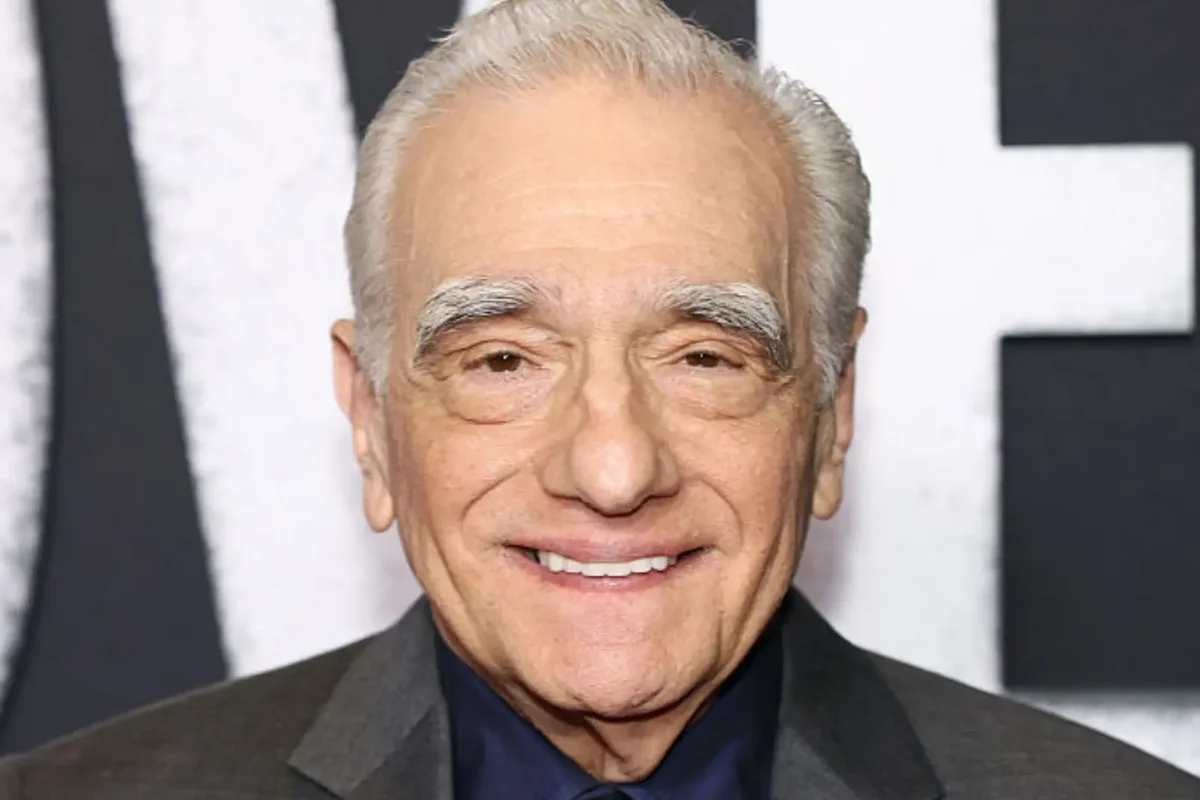
“He wanted to explore the experience of Native America at that time and what we had was a very interesting movie about two guys who go back and forth and talk to each other. Everybody was sort of excited that the Native story was going to be told and what they found was like, ‘Wow, all the Native women are dead.’ They said, ‘Well, it’s a feature, we didn’t have time,’ but there was time. There was an eight-hour limited series that was not made, that could have been made where, if you really needed to explore all the male toxic masculinity, you could have done that, but you could have had episode two actually centered on the Native story.”
— Jodie Foster, Actor and Director
Foster’s remarks highlighted that, although Scorsese collaborated with streaming giants Apple TV and Netflix on recent projects, such as “The Irishman” and “Killers of the Flower Moon,” these efforts have tended toward sprawling, ambitious films rather than serial formats. For Foster, however, television and streaming provide new creative freedoms, especially for directors dealing with intricate historical and social themes. The comparison to works like “True Detective,” which Foster herself took part in, underscores her assertion that certain stories benefit from longer, serialized presentations, permitting multiple perspectives and greater nuance.
Scorsese’s Approach and Industry Shifts
Martin Scorsese has become known for his epic, cinematic storytelling, routinely gathering renowned actors, including Leonardo DiCaprio and Robert De Niro, for feature films with substantial budgets. While streaming has enabled him to pursue such large-scale projects, Scorsese has not, to date, shown an inclination toward episodic television formats, instead continuing his preference for long-form movies. Foster acknowledged this difference in directorial style, yet maintained her position that a serialized version of “Killers of the Flower Moon” could have allowed richer storytelling, with more space for examining complex characters and deeper narratives. This divide also reflects broader conversations within Hollywood and global cinema about how stories are best conveyed—whether by compressing them into feature-length films or expanding them across multiple episodes.
Jodie Foster’s background as both a director and an actor uniquely positions her to comment on these evolving trends. Beyond her acting roles in iconic movies, Foster has directed projects like “Nell” and has recently been involved in acclaimed television series, adding weight to her advocacy for streaming as the home of substantial storytelling. She compared theatrical releases to franchise films and praised streaming for accommodating stories that demand more time and flexibility.
“Streaming is able to do things that we’re not able to do in traditional mainstream movies anymore. Real narrative now in the United States is on streaming. Big franchise superhero movies are what you see in the movie theaters, but the real, real narrative is on streaming. I’m embracing this idea of there being these two opposite ends of the industry, one which is mainstream Hollywood, mainstream distributor films, and more independent films on the other end, which are entirely similar to the independent industry that you have in Europe and in other places. Then there’s streaming. You’re able to tell eight-hour stories, or five-season stories, where you can explore every angle in a way that you could never in a feature. I love the freedom of that.”
— Jodie Foster, Actor and Director
The Cast and Story Scope of “Killers of the Flower Moon”
“Killers of the Flower Moon” featured leading performances from Leonardo DiCaprio and Louis Cancelmi, alongside notable work by Robert De Niro. The film’s narrative focused on the Osage Nation murders and unraveled the investigation into these historical crimes, spanning themes of betrayal, greed, and cultural conflict in early twentieth-century Oklahoma. Despite its substantial investment and sweeping scope, Foster argued that the single-film format proved unable to fully develop the breadth of its story, especially in conveying the lived experiences and voices of Native American women and families caught in a violent chapter of American history.
This sentiment ties into the wider Martin Scorsese streaming narrative, where directors of Scorsese’s stature are increasingly collaborating with platforms like Apple Studios and Netflix to access greater budgets and creative autonomy, even as debates continue about the most effective way to capture complex historical events on screen.
Looking Ahead: Streaming’s Potential for Expansive Storytelling
Foster’s statements are part of an ongoing discussion about the trajectory of film and television in Hollywood and globally. As streaming continues redefining narrative possibilities, with platforms embracing eight-hour limited series or multi-season arcs, established filmmakers face important choices about how best to tell stories that balance artistic ambition, commercial realities, and historical complexity.
The impact of this shift extends beyond individual projects such as “Killers of the Flower Moon.” Directors like Martin Scorsese, actors including Leonardo DiCaprio and Robert De Niro, and streaming services like Apple Studios are all navigating the evolving expectations of audiences, who now seek stories told with greater dimension and depth. Whether this will lead veterans like Scorsese to embrace television formats remains unclear, but Foster’s perspective underscores a future where the lines between film, television, and streaming grow increasingly blurred, and where stories like those centered on Native America can find wider, richer inclusion than previously possible within a single movie.
