
James Cameron, the visionary director known for his groundbreaking films, has publicly rejected rumors about using AI-generated performers in the latest installment of Avatar. Speaking out as news circulated about the development of Avatar: Fire And Ash, Cameron made it clear that AI technology did not play a role in casting or production, reinforcing his stance on human artistry and addressing concerns raised by ongoing debates about artificial intelligence in Hollywood.
James Cameron Addresses Speculation on AI Cast Members in Avatar
Amid reports and speculation in entertainment circles, Cameron confronted the discussion about AI-generated actors during his recent media appearances. A specific focus had been placed on Tilly Norwood, an AI actress whose team had hopes for involvement in Avatar: Fire And Ash. Cameron dispelled these assumptions during an interview on CBS Sunday Mornings, denouncing the use of AI actresses like Tilly as “horrifying.” He drew a stark line between the innovative visual effects that the Avatar series is known for and the replacement of real actors with generative algorithms.
When fielding further questions from ComicBook.com regarding his decision, Cameron clarified his reasoning by stating,
“I just wanted to point out we don’t use it on the Avatar films,”
James Cameron, Director. He doubled down on his position by adding,
“We honor and celebrate actors. We don’t replace actors. That’s going to find its level. I think Hollywood will be self-policing on that. We’ll find our way through that. But we can only find our way through it as artists if we exist. So it’s the existential threat from big AI that worries me more than all that stuff,”
James Cameron, Director.
Director Shares Deep Concerns About AI’s Impact on Acting
Although critical of using generative AI in lieu of actors, Cameron’s position is nuanced; he currently sits on the board of Stability AI, which has produced tools like Stable Diffusion. These projects have played a major role in the current boom of AI-generated images and creative content. Cameron emphasized that his primary concerns lie in the existential dangers posed by “big AI”—autonomous, rapidly developing artificial intelligence systems that could surpass human oversight and control, a fear he has openly discussed since the release of The Terminator more than 40 years ago.
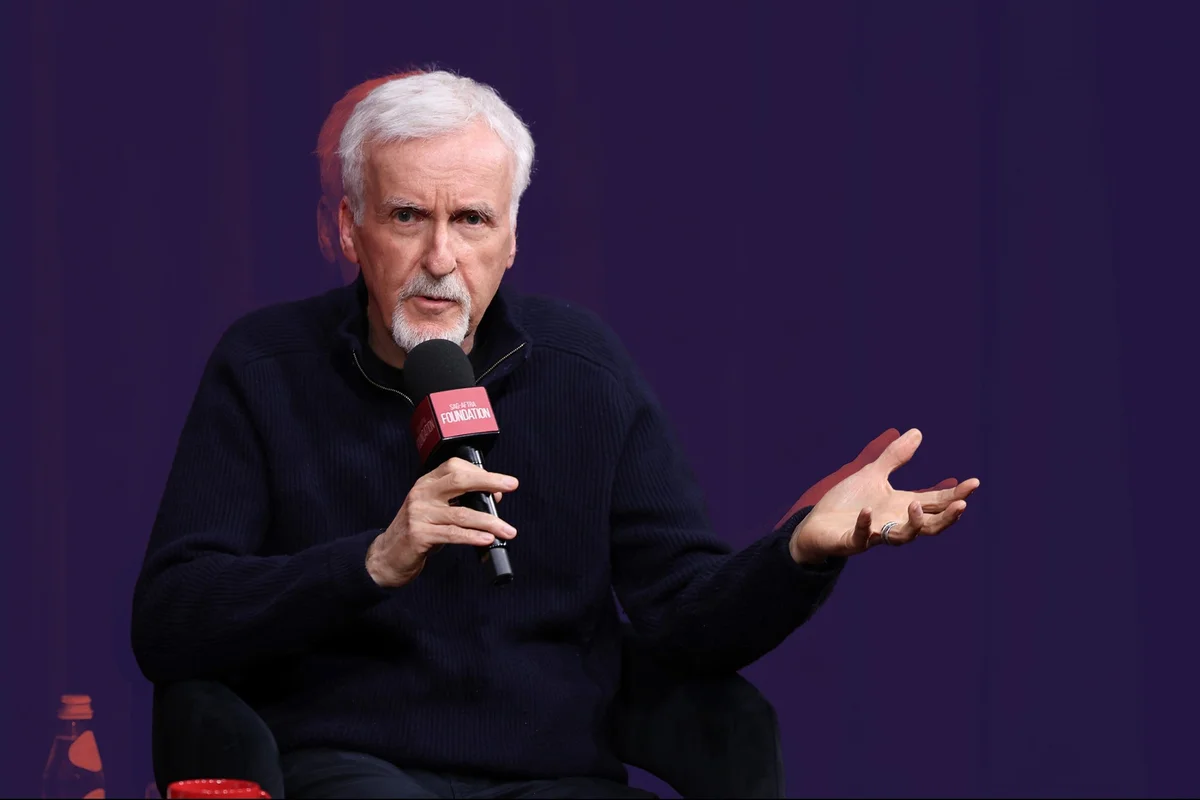
Referencing cultural touchstones like “Skynet becoming self-aware,” Cameron’s comments reveal anxiety over the unchecked growth and influence of artificial general intelligence. He concluded,
“They call it the ‘Skynet Problem,’ and it’s being discussed. But obviously, what they’re talking about is alignment. If you’re hip to general intelligence issues and AI overall, alignment is a big issue. And they have to be trained, they have to be taught, they have to be constrained so that they work only toward human good. The problem is, who makes that decision? Who decides what’s good for us? We can’t agree amongst ourselves on a damn thing. All religions are at odds over ethics, morality, and so on. All the governments have different [ideas], so whose morality, whose sense of what’s best for us, is going to prevail?”
James Cameron, Director.
Implications for the Film Industry and the Future of AI
Cameron’s unequivocal statements have sent a strong message through the film industry, reflecting widespread unease among both established actors and rising stars about being replaced by digital avatars. As debates about regulation and ethical guidelines for AI in entertainment intensify, Cameron’s remarks underscore both the technical possibilities and risks of new technologies. With Avatar: Fire And Ash, he reaffirms a commitment to the unique contributions of human performers, even as broader challenges related to AI alignment, governance, and creativity remain unresolved. The discussion ignited by Cameron’s comments is expected to shape not only upcoming Avatar productions, but also the wider intersection of technology and cinematic art in years to come.
