
James Cameron on superhero films has stirred debate, as the acclaimed director denounced major superhero blockbusters for lacking emotional complexity during his ongoing promotion of Avatar: Fire and Ash. Speaking recently on CBS Sunday Morning, Cameron criticized the genre for sidestepping genuine risk and emotional consequences for its characters, contrasting this with his own approach that prioritizes the exploration of grief and change.
Cameron’s Critique of Emotional Depth in Superhero Movies
Renowned for his work on epic films such as Avatar and The Terminator, James Cameron has taken issue with the formulaic nature he perceives in contemporary superhero movies. He argues that these films frequently avoid placing their characters in situations where genuine emotional stakes or real threats emerge, which results in less authentic storytelling. As Cameron continues to develop the Avatar saga, he emphasizes his commitment to creating narratives where characters face substantial emotional risks, especially within long-running franchises.
Discussing his philosophy, Cameron elaborated on how love stories and overarching sagas benefit from allowing main characters to face real dangers and traumatic events, making stories more compelling for audiences. He cited the aftermath of tragedy in Avatar 3—focusing on the grief experienced by Jake Sully and Neytiri over the death of their son, Neteyam—as a pivotal driving force for character development and ongoing conflict within the narrative.
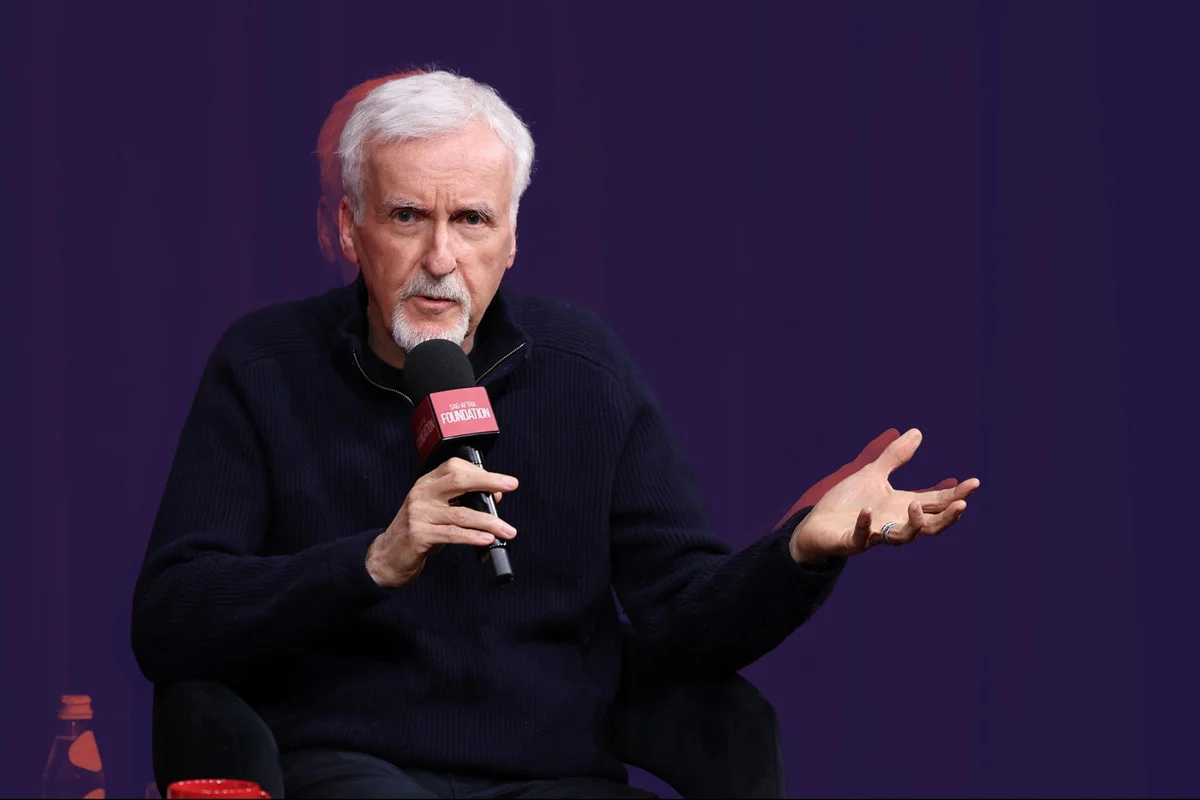
“You can’t tell a love story without putting it at risk,”
James Cameron, director, described his approach to Avatar’s central storyline.
“And when you’re telling a multipart kind of franchise story or saga over a number of films, you could put it at a great deal of risk.”
James Cameron, director, continued, highlighting the depth that repeated exposure to risk can bring to a saga.
Dealing With Grief and Change in the Avatar Franchise
While discussing the emotional trajectory of the Avatar series, Cameron stressed that Jake and Neytiri’s mourning for Neteyam will be a core focus in Avatar: Fire and Ash. He noted that, although not strictly required to advance the plot, exploring these emotionally charged moments lends authenticity and weight to the story.
“And then losing a child, the ultimate horror, the ultimate unimaginable for any parent. What does that do to them and their relationship? And how does that really sharpen up those conflicts that they’ve been having?”
James Cameron, director, highlighted the real-world stakes that inform his narrative decisions.
Cameron feels that most superhero franchises neglect these opportunities for emotional upheaval, instead reverting back to familiar, unchanging character arcs. He critiques how these stories tend to avoid the lasting effects of trauma or transformation on their protagonists.
“We don’t shy from that stuff, we go down what some movies might consider a side alley that they don’t really need to spend time on. I don’t think that superhero films, for example, deal with grief. You just want to get back to your baseline state, which is the superhero is doing the superhero thing that they’re supposed to do. And they’re sort of never deeply threatened emotionally or psychologically. Not enough to change them, right?”
James Cameron, director, compared his approach to conventional superhero storytelling by addressing the reluctance to embrace change and emotional depth in blockbuster stylings.
“Because we don’t want to change them. They’ve been going strong for 40 years, 50 years. We don’t want to change them too much. They need to rebound. But what you find from grief in real life, is it changes you, and you don’t change back.”
James Cameron, director, explained his perspective on how authentic emotional experiences shape—and permanently alter—people and characters alike.
Upcoming Avatar Release Brings New Challenges
With Avatar: Fire and Ash poised for release, Cameron is set to revisit familiar territory as a filmmaker, but within a new era where viewing habits have shifted significantly. As cinema attendance faces competition from home streaming conveniences, Cameron admits to feeling uncertain about the film’s reception, noting his awareness of challenges that surpass even his considerable experience in the industry.
“I was nervous before every film I’ve released. We’re three years after The Way of Water. Audiences have not come back to cinemas. So, there are market forces that are kind of above my pay grade. And then there’s, ‘What do people think about sequels?’ Do they see it as an opportunity to follow characters that they love, or do they feel like it’s just a sequel? There are so many variables going into the release of a film.”
James Cameron, director, candidly described the uncertainty and complexities involved in releasing a major sequel amid changing audience behavior and industry trends.
“I feel good about the film. I feel it sticks to landing. It fulfills my goals as an artist. But like I said, there are market forces outside my control.”
James Cameron, director, concluded on a note of optimism tempered by the realities of the modern box office environment.
Main Cast of Avatar: Fire and Ash
Avatar: Fire and Ash features a strong ensemble cast reprising their roles from earlier installments. Sam Worthington takes the lead as Jake Sully, the former human marine who now identifies fully with the Na’vi people. Zoe Saldana appears as Neytiri, whose journey continues through personal tragedy and leadership challenges among the Na’vi. Sigourney Weaver is featured as Kiri, building on her legacy within the franchise, and Stephen Lang returns as Colonel Miles Quaritch, providing continued conflict and antagonism for the heroes. Their performances are set to anchor the ongoing narrative developments, with character relationships and losses driving the new film’s emotional core.
Industry Impact and the Future of Genre Storytelling
James Cameron’s outspoken criticism of the superhero genre comes at a time when the entertainment landscape is rapidly shifting, with established franchises searching for ways to maintain relevance as audience expectations evolve. By insisting on more nuanced and risky emotional stakes, Cameron aims to distinguish the Avatar series from its peers, setting an example for deeper character-driven storytelling. The release of Avatar: Fire and Ash will serve not just as a cinematic event, but potentially as a benchmark for how blockbuster films engage with themes of loss, change, and authentic human experience. As Cameron’s latest vision unfolds, the film industry and its passionate audiences will be watching closely to see whether his approach resonates in an era defined by both spectacle and a yearning for greater emotional resonance.
