
The acclaimed Kevin Costner Western miniseries, Hatfields & McCoys, offers Yellowstone fans a gripping alternative while waiting for the next spin-off to arrive. Premiered on the History Channel in 2012, this three-part event delves into the infamous feud between the Hatfield and McCoy families during the aftermath of the American Civil War, with a cast and tone that rival Taylor Sheridan’s celebrated series.
A New Take on Historical Western Drama
When Hatfields & McCoys debuted on the History Channel in May 2012, it marked the network’s leap into original scripted television. The miniseries set a high bar by recreating the intense, real-life conflict between the Hatfield and McCoy families who lived along the Kentucky and Virginia border, beginning in 1863 during the Civil War and continuing through the decades that followed. Kevin Costner leads as William Anderson “Devil Anse” Hatfield, an ex-Confederate soldier spurring a decades-long battle with the McCoy clan. Bill Paxton embodies Randolph “Randall” McCoy, a Kentucky patriarch who suffers the tragedy of losing five children to the bitter dispute that shaped generations.
This miniseries draws strength from a remarkable ensemble, with Hollywood names such as Tom Berenger, Powers Boothe, Boyd Holbrook, Jena Malone, Noel Fisher, and Mare Winningham contributing to an atmosphere that blurs the lines between cinematic epic and televised event. Under the direction of Kevin Reynolds, all three segments maintain a unified, film-like style—a rare feat for television dramas, where multiple directors often divide creative duties. Sheridan achieved a similar effect in Yellowstone’s inaugural season.
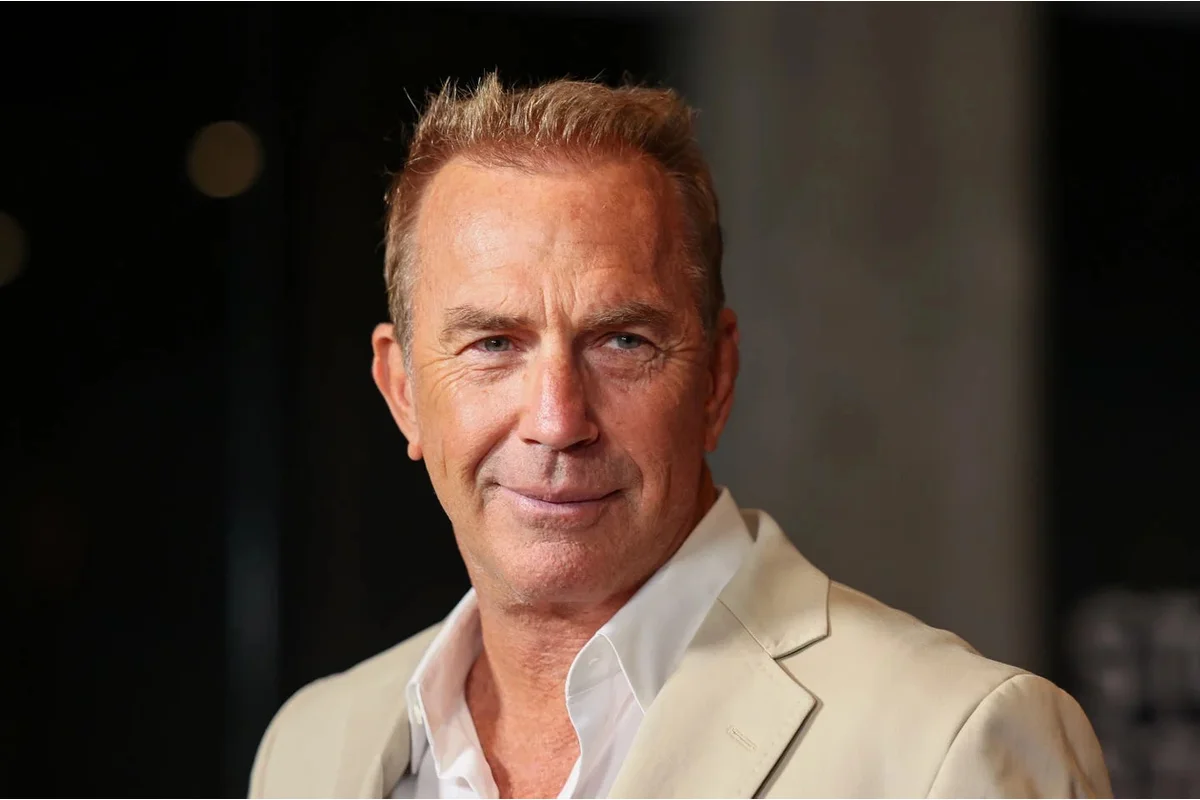
Filmed in Romania, which convincingly takes the place of rural Kentucky and Virginia, Hatfields & McCoys showcases attention to detail in both set and storytelling. This commitment to authenticity earned it five Primetime Emmys—including Kevin Costner’s award for lead actor and Tom Berenger’s for supporting role. Costner also secured a Golden Globe for his performance, a factor that may have played into Taylor Sheridan’s decision to cast him as Yellowstone’s family patriarch.
Parallels Between Hatfields & McCoys and Taylor Sheridan’s Yellowstone
Although Hatfields & McCoys unfolds in a different era and location than Yellowstone’s modern-day Montana, the two productions are intertwined by their Western spirit, somber storytelling, and focus on familial strife. Costner’s established reputation in the Western genre, from Silverado and Dances with Wolves to Wyatt Earp and Open Range, adds undeniable gravitas to both projects.
Hatfields & McCoys doesn’t shy away from brutality, with scenes of violence and relentless conflict reminiscent of Yellowstone’s dramatic intensity. Both series stand out by refusing to sanitize frontier life—even when that means confronting the deaths of young characters. However, amid the violence, each show maintains a dramatic tone, sometimes verging on melodramatic, mirroring the harsh realities and emotional tolls of their settings.
At their core, both series are shaped by a sense of tragedy, notably through forbidden love stories that deepen the stakes of the family feud. In Hatfields & McCoys, the relationship between Devil Anse’s son, Johnse Hatfield, and Randall McCoy’s daughter, Roseanna McCoy, stimulates much of the familial conflict. Comparably, Yellowstone explores betrayal and complicated loyalties through Beth Dutton and Rip Wheeler’s relationship and their rivalry with Jamie Dutton. These emotional threads underscore the ways family loyalty and personal desire collide, reinforcing the Shakespearean qualities that animate both dramas.
Taylor Sheridan’s journey toward creating Yellowstone began roughly a year after Hatfields & McCoys aired, raising the possibility that he was, at least in part, inspired by the earlier series’ approach to pacing, tone, and character-driven storytelling. With their shared focus on harsh landscapes, generational disputes, and moral ambiguity, it’s easy to see why fans might be drawn to both shows.
How the Western Miniseries Matches Yellowstone’s Popularity and Influence
The similarities between Hatfields & McCoys and Yellowstone extend beyond thematic elements to their impact on the television industry. Each show was a first for its network: Hatfields & McCoys introduced original scripted drama to the History Channel, while Yellowstone became the pioneer in original scripted content for Paramount+.
Both series also became major ratings successes. Hatfields & McCoys achieved historic numbers for the History Channel, drawing 13.9 million viewers for its first episode, 13.13 million for the second, and peaking at 14.29 million for the finale—figures surpassed on the network only by live sports broadcasts. Yellowstone, while not reaching the same heights, also achieved impressive viewership, with its fourth season finale attracting over 9 million viewers and helping to establish Paramount+ as a major player in original streaming content.
The triumph of these Western dramas fueled a wave of expansion for their networks. The History Channel leveraged the success of Hatfields & McCoys to launch further scripted series like Vikings, Knightfall, Kennedy, The Bible, Grant, and Houdini. Meanwhile, Yellowstone’s popularity spurred a franchise of spin-offs and related series under Taylor Sheridan’s guidance, such as 1883, 1923, The Madison, Y: Marshals, as well as stand-alone projects including Landman, Tulsa King, Mayor of Kingstown, Lioness, and The Last Cowboy.
These accomplishments demonstrate that Hatfields & McCoys, like Yellowstone, became not just a single story but a catalyst for ongoing programming and creative expansion, making each a turning point in the histories of their respective networks.
The Lasting Importance of Hatfields & McCoys in Kevin Costner’s Western Legacy
Despite differences in setting and historical period, the shadow cast by Hatfields & McCoys can be seen in the evolution of the Western television genre. Kevin Costner’s powerful portrayal as Devil Anse Hatfield, combined with a talented cast and unfaltering cinematic vision from Kevin Reynolds, set a standard for emotional intensity and storytelling in the miniseries format. This made the project stand apart even as new hits like Yellowstone emerged.
Taylor Sheridan’s creative choices, consciously or not, appear to have been influenced by the dramatic weight, pacing, and style pioneered in the 2012 miniseries. The connection is reinforced by Costner’s central role in both stories and the shared focus on complex families, generational conflict, and the price of leadership. Both series have broadened audiences’ appetite for Western storytelling, inspiring a new era of production for networks like the History Channel and Paramount+.
As Yellowstone continues to attract loyal viewership and spin-offs are anticipated, Hatfields & McCoys stands as a benchmark for what a Kevin Costner Western miniseries can achieve. Its influence remains evident in the ongoing popularity of Western dramas and the legacies of the cast and creators who brought the infamous family feud to life.
