
Acclaimed filmmaker Quentin Tarantino has ignited controversy by openly criticizing Paul Dano’s performance in “There Will Be Blood,” calling him “the weakest actor in SAG.” The remarks came during a recent episode of the Bret Easton Ellis Podcast, where the conversation fiercely turned toward casting and acting choices, highlighting the focus keyword Quentin Tarantino criticizes Paul Dano.
Tarantino’s Sharp Disapproval of Dano’s Role in “There Will Be Blood”
On the podcast, Tarantino, known for his bold opinions and deep knowledge of cinema, spared no words regarding Paul Dano’s portrayal of the double roles of Paul and Eli Sunday in Paul Thomas Anderson’s acclaimed film. He began by sharing his admiration for both the film itself and Daniel Day-Lewis’ powerful lead performance. Tarantino acknowledged,
“old Hollywood craftsmanship without trying to be like that.”
– Quentin Tarantino, Director
He even went so far as to state the film could be among his very favorites of the 21st century,
“stand a good chance at being [his] number one or number two”
– Quentin Tarantino, Director
However, he pointed to a single, glaring flaw:
“if it didn’t have a big, giant flaw in it.”
– Quentin Tarantino, Director
Tarantino’s main issue was with Dano, stating:
“The flaw is Paul Dano. Obviously, it’s supposed to be a two-hander, but it’s also drastically obvious that it’s not a two-hander. [Dano] is weak sauce, man. He is the weak sister.”
– Quentin Tarantino, Director
The director further argued Dano’s performance lacked substance and suggested that a different actor, such as Austin Butler, would have suited the role better:
“[Dano] is just such a weak, weak, uninteresting guy. The weakest fucking actor in SAG.”
– Quentin Tarantino, Director
Contrasts with Industry Perspectives
While Tarantino’s statements were unequivocal, the industry response reflects a wider spectrum of opinion. Some consider Paul Dano’s performance a key counterbalance to Daniel Day-Lewis’s intense Daniel Plainview, providing subtlety and menace essential to the film’s tension. The dynamic between Dano and Day-Lewis, according to many, is a vital factor in the film’s critical acclaim, and not everyone aligns with Tarantino’s harsh stance.
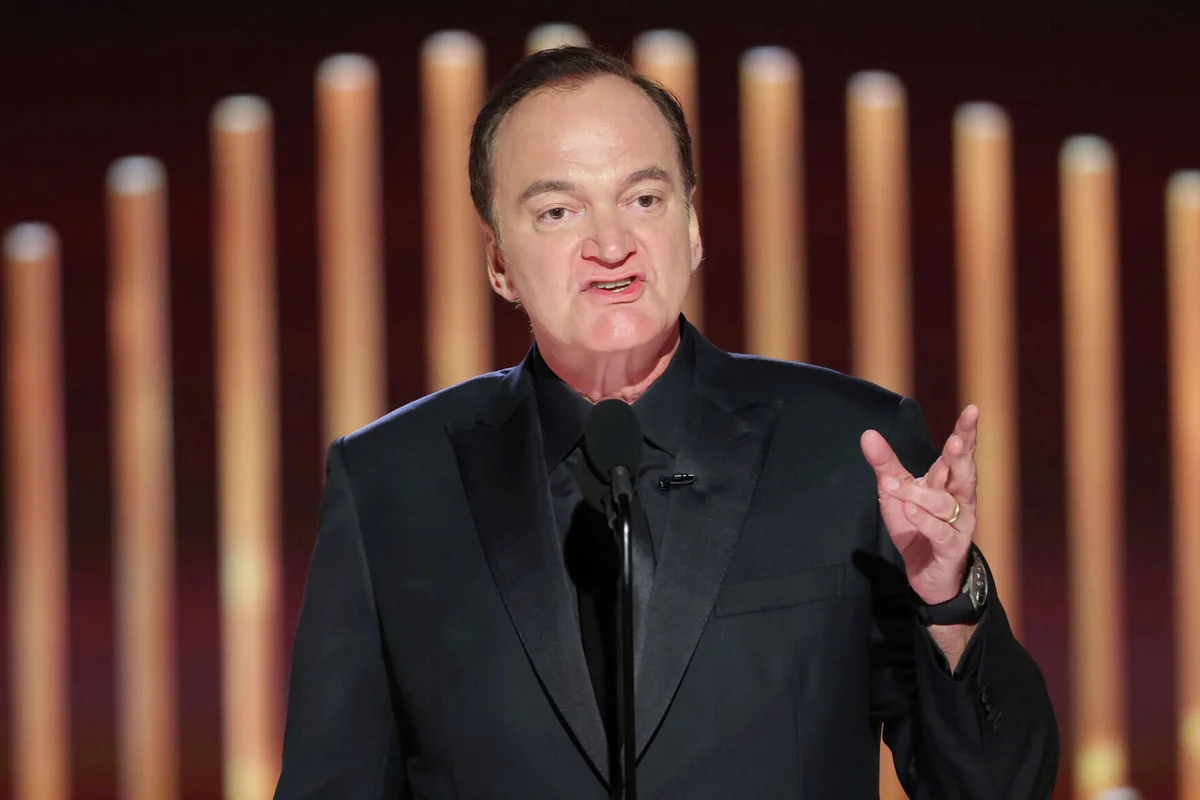
Pattern of Blunt Opinions
This is not the first time Quentin Tarantino has used a public platform to offer polarizing takes. He previously called out “Hunger Games” author Suzanne Collins for alleged similarities to “Battle Royale,” despite his own history of borrowing from various cinema influences. On the same podcast episode, Tarantino criticized Owen Wilson, stating he “really can’t stand” the actor, after naming “Midnight In Paris” his 10th-best film of the century—a testament to his uncompromising and often controversial judgment.
Industry Implications and Ongoing Debate
Quentin Tarantino’s comments have reignited industry debates about acting, casting, and the role of personal opinion in film critique. As Hollywood and the broader American film community absorb his pointed criticism, fans and filmmakers alike are left to consider how individual interpretation shapes the reception of performances, particularly when it comes from such a vocal and influential director. The conversation underscores the deep divide that can exist between talent evaluation and personal taste, especially when strong personalities like Tarantino and established actors like Paul Dano are involved.
