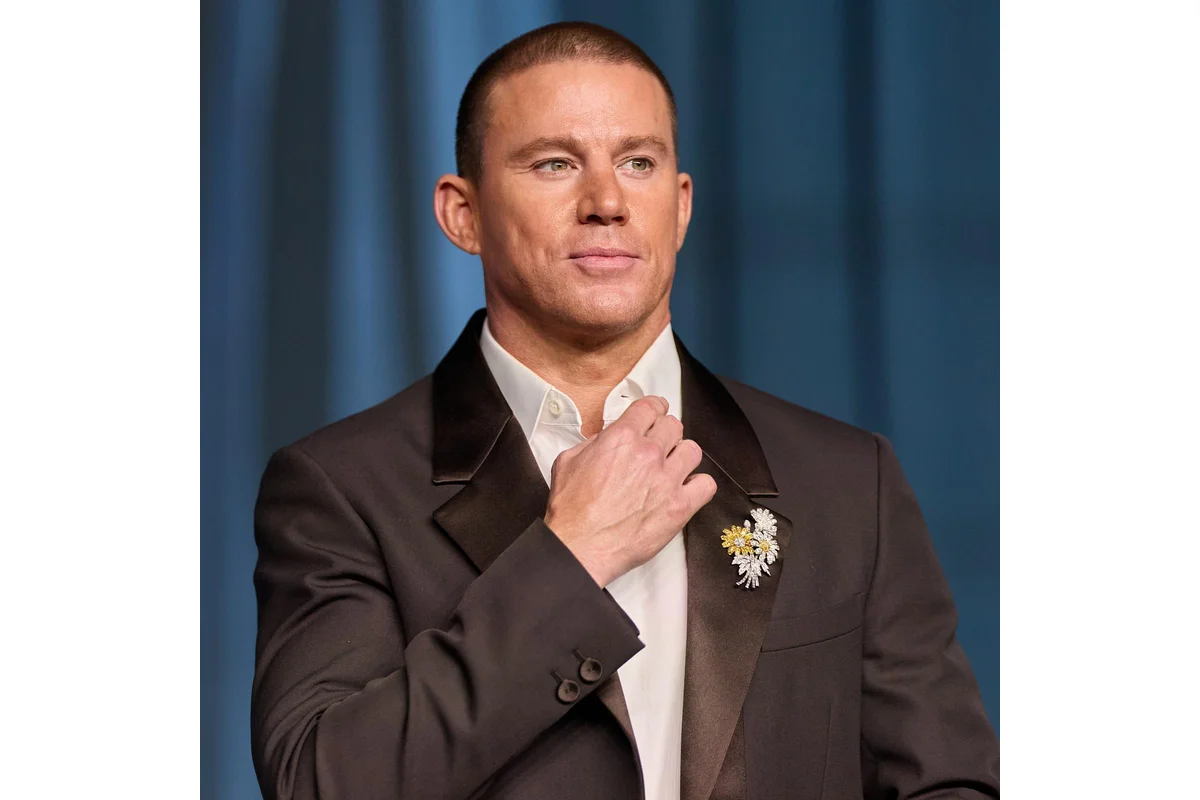
Channing Tatum, Movie, Channing Tatum movie theaters [Image Source: ABC3340]
Channing Tatum has expressed concern that many quality films are struggling to reach movietheaters, and he wishes more audiences could experience these stories on the big screen. During a recent conversation about his new project, Tatum discussed the ongoing difficulties independent and heartfelt films, like “Roofman,” face in securing broad theatrical releases—a key point in the ongoing debate about the future of cinema and the Channing Tatum movie theaters experience.
Roofman: A True Story with Heart, Humor, and Nuance
In his latest film “Roofman,” Tatum takes on the role of Jeffrey, a character inspired by real events. Jeffrey is a well-intentioned thief who escapes from prison and hides within a North Carolina Toys R Us. The story evolves as he forms a close bond with a store employee (played by Kirsten Dunst) while longing to reunite with his family. The film’s blend of comedy and emotion is a throwback to the types of character-driven stories that used to be common in theaters, but which now struggle for space amid an industry dominated by blockbuster franchises.
The Shifting Landscape of Movie-Going
Kirsten Dunst has noted the various factors that have changed how audiences interact with theaters in recent years. She points out the increased appeal of staying home, referencing societal changes like the rise of smartphones and the impact of the COVID pandemic.
Image of: Channing Tatum
“I think COVID and iPhones really have made us a little lazy. It’s also expensive to go to the movies, so I understand.”
—Kirsten Dunst, Actor
Tatum admits this trend disappoints him, given his deep affection for the theater experience. He believes that for many people to make the decision to come out, the film has to be an epic, event movie, often of the sort dominated by superhero stories.
“I just love seeing movies in the theater. But it’s hard to convince people who don’t want to leave their house, much less go pay $60 for a movie experience if they don’t go, ‘All right, this is a giant movie. It’s a world-building movie that I need to see on the big screen.’”
—Channing Tatum, Actor
Audiences Missing Out on Smaller, Thoughtful Films
Tatum expresses frustration over a widespread notion that Hollywood no longer produces quality films, asserting that good movies are still being made, but they are often overlooked by those who don’t frequent theaters for anything other than massive franchise releases.
“You guys don’t make any good movies anymore.”
—Unnamed Outside Industry Source He finds that this mindset means audiences may miss films that offer depth and nuance, like “Roofman” or acclaimed dramas such as “Tár.”
“There’s a lot of good movies being made,”
—Channing Tatum, Actor
“You’re just not going to see them in the theaters.”
—Channing Tatum, Actor
He shared a recent experience from 2022, recalling a conversation in which someone lamented the lack of good films, and he pointed them to “Tár” as a recent example worth seeing in theaters.
“Have you seen Tár? And they’re like, ‘No, I don’t know what that movie is.’ And I’m like, ‘Go see it. It’s in the theater now. It’s a great movie.’
—Channing Tatum, Actor
Marketing and the Difficulty of Categorizing Unique Films
The challenge for movies like “Roofman,” Tatum says, lies in their unique tone and the difficulty in capturing their essence within a traditional marketing campaign. He believes the film’s ambiguity and unpredictability are part of its appeal, but also make it harder to promote.
“I can’t generalize the movie. I love movies like that, where I don’t know what I’m going to get, but the trailer doesn’t just give you everything: It kind of gives you a little piece.”
—Channing Tatum, Actor
He expresses concern that the marketing has leaned too hard into comedy at the expense of conveying the film’s emotional complexities, yet he understands the desire to get people into seats.
“I personally thought they were selling this movie too much as a comedy in the beginning. But I was like, ‘Okay, but I want people to go see it.’ It has beautiful themes in it, as well as some real crazy scenes where you’re just like, ‘Whoa, like that really happened?’ So what do you sell it as, then? Like, a romance?”
—Channing Tatum, Actor
Kirsten Dunst Shares Why “Roofman” Feels Timeless
Dunst describes the movie as a return to films that bring families together, suggesting that it has an uplifting and relatable spirit.
“a classic holiday movie that you want to see with your family. Gather around, everyone will enjoy it. And there’s a lot of life positivity to it. It feels like, ‘Oh, I’m seeing human beings and what they’re actually struggling with.’”
—Kirsten Dunst, Actor
She emphasizes the authenticity and sincerity of the film’s emotions, highlighting the honest, shared experiences depicted within the story.
“I do believe in our film and I feel like it has a lot of genuine emotions. We’re not trying to spoon-feed you — it doesn’t feel phony or manipulative. I think people react to that when they feel genuinely moved by something. This honestly is a movie that your whole family can go see together.”
—Kirsten Dunst, Actor
What Lies Ahead for Mid-Size Films in Theaters
With “Roofman” now available on Apple TV, Amazon, and soon to stream on Paramount+, the film joins many others adapting to new distribution models. The personal reflections of both Tatum and Dunst highlight a broader concern in Hollywood: as mainstream theaters increasingly prioritize blockbuster events, distinctive human stories told through mid-size films struggle to find space on the big screen. This shift carries cultural implications for audiences, for actors like Channing Tatum and Kirsten Dunst, and for the tradition of communal movie-watching in theaters.
The ongoing debate over how to rejuvenate the Channing Tatum movie theaters experience continues, with creators and performers alike searching for new ways to bring honest, compelling stories back to wider theatrical audiences.