
James Cameron on theatrical industry became central once again as the Oscar-winning director spoke out about the fragile future of movie theaters, describing uncertainty heading into the release of Avatar: Fire and Ash. In a recent interview, Cameron suggested that cinemas face an unparalleled crisis, forced by both recent global events and shifting viewing habits, with the fate of upcoming titles like Avatar now appearing less certain than ever.
A Declining Era for Traditional Moviegoing Experiences
Known for creating cinematic milestones such as The Terminator, Titanic, and Avatar, Cameron’s career has thrived on blockbusters that once drew massive theater crowds. Despite past successes—among them Avatar, the top-grossing movie ever—Cameron addressed how the pandemic reshaped the film industry. He noted that even movies hailed for their quality are finding it challenging to break even, let alone reach the stratospheric success once typical for major releases.
Reflecting on the current box office landscape, Cameron shared doubts about predictions for his own films. The third Avatar installment is set to debut in theaters on December 19, but Cameron admitted uncertainty over audience turnout, referencing how industry trends have shifted so dramatically that even established names face unpredictability.
“I do [bet against James Cameron],” — James Cameron, Writer-Director
Streaming Alters Audience Behavior and Theater Attendance
Cameron pinpointed dramatic shifts in how people view films, emphasizing that industry recovery has faltered since the pandemic. He explained that while some successes, like a recent strong showing from Zootopia, gave theaters temporary relief, the bigger picture reveals years of struggle due to COVID and the meteoric rise of streaming platforms. Cameron described the streaming boom as having
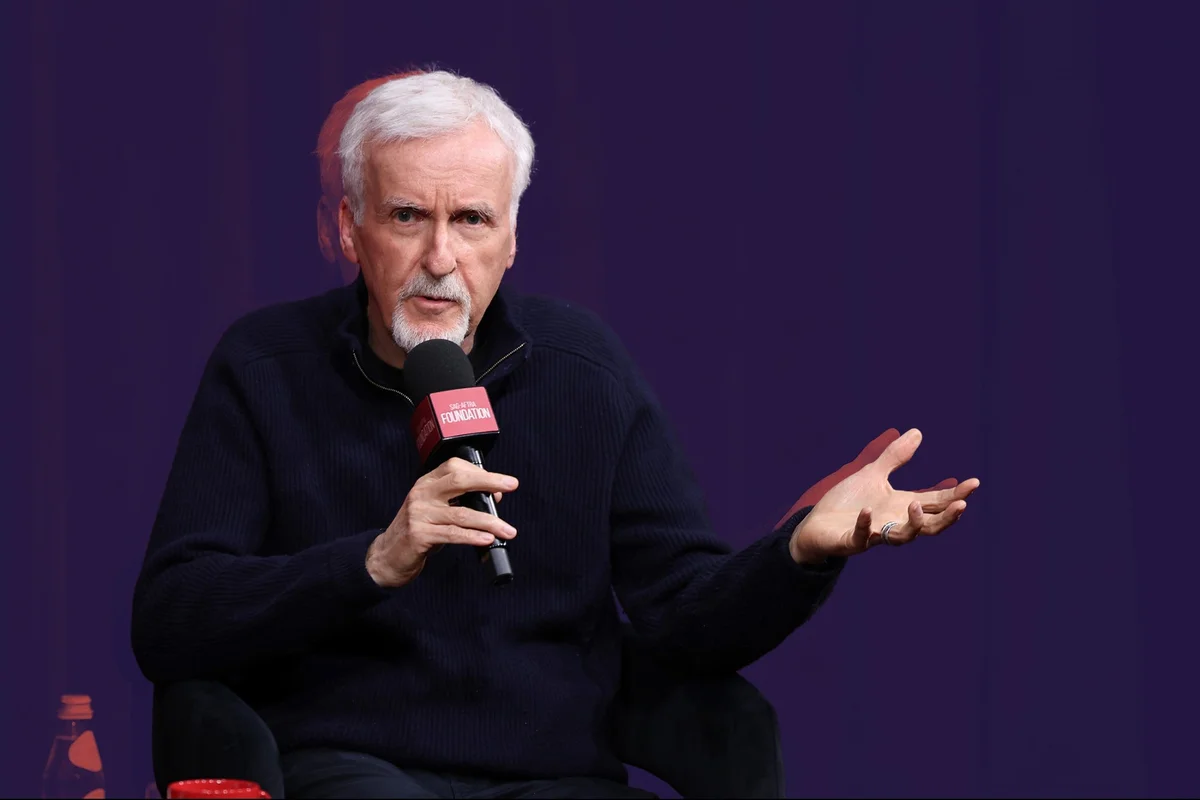
“taken a massive chomp out of the butt of the theatrical business,”
fundamentally changing how people interact with movies.
“I mean, the theatrical industry is very depressed right now. We’re coming off of a terrible year. Although Zootopia is a nice little bump at the end of the year, it’s been a bad year and it’s been a bad last few years since COVID and since streaming took a massive chomp out of the butt of the theatrical business. And maybe this film still works, maybe it doesn’t. I’m agnostic on that right now. But hopefully people will show up because the theatrical experience is the only way that you can have that waking dream time.” — James Cameron, Writer-Director
Cameron’s perspective comes as attendance figures lag behind those of a decade ago. Recent box office outliers—such as Wicked: For Good shattering some records, and underdog successes like Sinners and Weapons—remind audiences and insiders alike that while certain films defy the trend, the overall rate of theatergoing has plummeted.
Why Viewers Reserve Theater Trips for Only Special Releases
During his discussion, Cameron remarked on how the abundance of streaming options influences consumer choices. He observed that in today’s landscape, most people only attend theaters for films they consider truly special. With economic and practical considerations, many opt for the flexibility of streaming for most movies and save the in-person experience for a select few immersive stories.
“And people, they want the immediacy, they want the access of streaming,” — James Cameron, Writer-Director
“and they save the theatrical experience for a few films that they want to completely submerge into.” — James Cameron, Writer-Director
This selective approach, though understandable for viewers coping with limited time and growing entertainment costs, poses a real challenge for theaters and big-budget filmmakers. Cameron elaborated on this ongoing shift, drawing from his own experiences and choices as both a creator and a viewer.
“Because the second you have a remote in your hand and you composite, you just broke the spell. And people, they want the immediacy, they want the access of streaming. Some people realize that they’re breaking the spell and they save the theatrical experience for a few films that they want to completely submerge into. That’s how I do it. I’m not going to go see everything in a movie theater. I’ll make my decisions. Hopefully Avatar is still enough of a blue chip that people know they’re going to go on a journey.” — James Cameron, Writer-Director
Industry Models Under Scrutiny Amidst Ongoing Change
Alongside his comments on general moviegoing patterns, Cameron expressed frustration with certain industry practices, particularly the limited theatrical windows offered by major streaming providers like Netflix. He argued that for streaming titles to be seen as true cinematic works—particularly in the context of awards—they should have more substantial runs in conventional theaters.
The anticipation surrounding Avatar: Fire and Ash is intensifying, not only because it may conclude a major part of the saga, but also because its box office performance could influence the direction of further sequels. Cameron’s remarks come at a time when the future of traditional cinemas, especially after seismic events like COVID-19, remains uncertain. The theatrical industry, already under immense pressure, may soon have to adapt on an even greater scale if it hopes to maintain its place as the home of moviegoing magic.
The Ongoing Struggle to Revitalize Movie Theaters
James Cameron ultimately signaled both recognition of permanent changes in the landscape and a hope for adaptation, indicating that the industry cannot remain stagnant. As blockbusters like Avatar: Fire and Ash and notable hits such as Wicked: For Good aim to lure viewers back, the question persists whether these films can fully revive the magic of movies viewed in theaters.
The conflict between digital access and the classic in-person experience may continue to play out, affecting not just director-writer James Cameron and fellow filmmakers but also the vast community of movie watchers and industry professionals reliant on healthy cinema attendance. The ongoing debate will shape decisions by producers, distributors, and streaming giants as they seek the most effective way to engage a changing audience and sustain the enduring value of the big screen.
