
James Gunn, overseeing the direction of DC Studios, has shared new insights into his approach to the upcoming Batman film, clarifying that fan demands will not be the primary influence on this iteration of the Dark Knight. As speculation grows around the future of Batman in the DC Universe, Gunn’s Batman vision centers on character and storytelling rather than costume nostalgia or aesthetic trends.
A Fresh Direction for the Batman Franchise
With a new Batman project underway, entirely distinct from Robert Pattinson’s version, both James Gunn and director Andy Muschietti face significant decisions about shaping the next representation of this iconic character. The DCU is aiming for its own unique stance, and Gunn has made clear that he wants to prioritize substance over surface details.
Balancing Fan Requests and Creative Focus
Recently engaging with fans on social media, Gunn responded to questions about potential design features, such as whether the new Batsuit would include white eye lenses reminiscent of Deadpool. He acknowledged that these are among the most popular requests but described them as low priorities compared to what truly matters for the character’s cinematic portrayal. Gunn explained that the blue and grey color scheme, the yellow oval around the bat symbol, and white eye lenses are often mentioned by fans, but he ranks them beneath the importance of the story and casting. He made his priorities clear by stating,
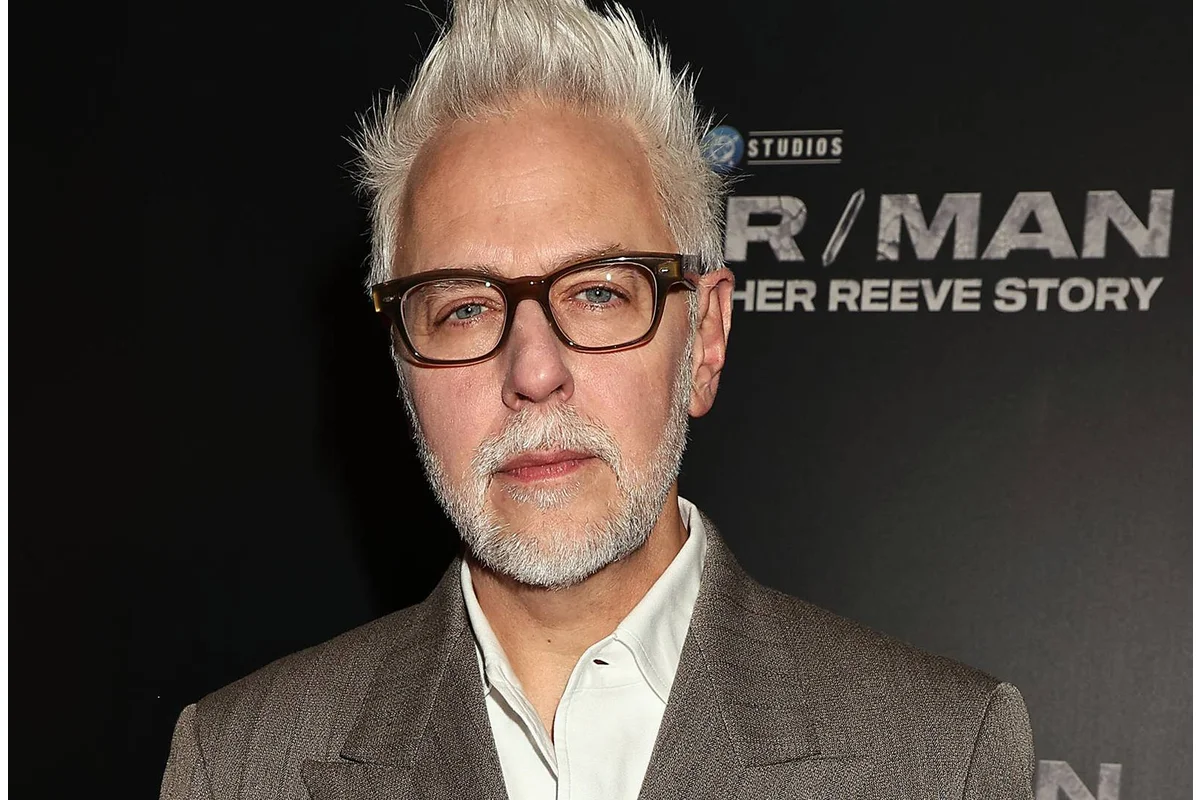
“the character himself, the writing, and the person who plays him,”
are most significant—James Gunn, DC Studios architect.
This stance reflects Gunn’s view that public opinion, while important, can be divided on even the most requested features. He addressed the balance between giving fans what they desire and maintaining integrity to the film’s artistic needs, noting,
“Individuals are making clear what they want to see. But even the most requested thing – the blue and grey – is split evenly with people who don’t want that. And the other two most requested things are also things just as many people say they don’t want to see. So you have to do what’s right by the specific film and story.”
—James Gunn, DC Studios architect.
Storytelling Above Nostalgia
The upcoming Batman film, tentatively titled “The Brave and the Bold,” is said by Gunn to feature a strongly developed narrative. His intention is not to simply play to nostalgia regarding Batman’s long history in DC but to deliver a story with substantial meaning and relevance. For Gunn, Batman’s enduring appeal comes from the character’s versatility and the variety of ways audiences have related to him over decades.
Gunn elaborated on Batman’s adaptability in pop culture, stating,
“There are so many expressions of Batman that are cool, and [having] different ways to access that character is one of the ways in which he’s so iconic,”
and added,
“I don’t think it’s a matter of the blue and the grey or the black Batman.”
—James Gunn, DC Studios architect.
Batman as a Cultural Symbol and the Danger of Iconography
As discussion continues among fans about which version of Batman should dominate the screen, Gunn expressed his reservations about the character’s status as a near-religious figure within DC lore. He has said he finds
“a religious aspect to some of this stuff that’s very uncomfortable,”
—James Gunn, DC Studios architect—remarking that the character’s image can sometimes distract from the creative possibilities and depth of narrative.
Gunn’s comments highlight ongoing tensions in the DC community as fans and creators debate Batman’s next evolution. While audiences and individuals like Andy Muschietti, as well as previous actors such as Robert Pattinson, bring their interpretations to the table, Gunn chooses instead to focus on Bruce Wayne’s humanity and psychological complexity.
What Lies Ahead for the Caped Crusader
With production moving forward on this new chapter, Gunn’s Batman vision will likely shape future conversations not only around the character’s appearance but also his place within the DC Universe at large. For Gunn, the most important outcome is that viewers leave the theater understanding Bruce Wayne—beyond the mask, beyond the symbol.
