
Kristen Stewart recently shared her thoughts on the experience of directors who worked on the Twilight sequels, highlighting the artistic obstacles they faced following the franchise’s blockbuster success. In discussing her own journey, Stewart focused on the pressures of maintaining creative expression in such a high-profile series, which began with Catherine Hardwicke and continued with Chris Weitz, Bill Condon, and David Slade.
The Dynamics Behind the Twilight Franchise Directing
Stewart explained her perspective during an interview with The Hollywood Reporter, drawing on her experiences both as an actor and as a director of her feature debut, The Chronology of Water. She noted that the initial Twilight installment, directed by Catherine Hardwicke, strongly reflected Hardwicke’s vision, a quality Stewart felt was challenging to preserve in subsequent films due to increasing studio influence and expectations. Stewart’s remarks provided an inside look at the transition between directors, specifically emphasizing the unique hurdles faced by Chris Weitz and Bill Condon.
That [first] Twilight movie is hers and reflects her; Catherine accomplished that, hands down. Being able to withstand and organize that many opinions, and still make something that feels like yours, is near impossible to do. With so many voices in the room and with so much expectation, nothing feels personal.
Stewart acknowledged the immense level of input and pressure from various stakeholders involved, stating that it was rare for subsequent directors to maintain the same feeling of personalization in their movies. She suggested these directors may have questioned whether they could truly consider the films their own.
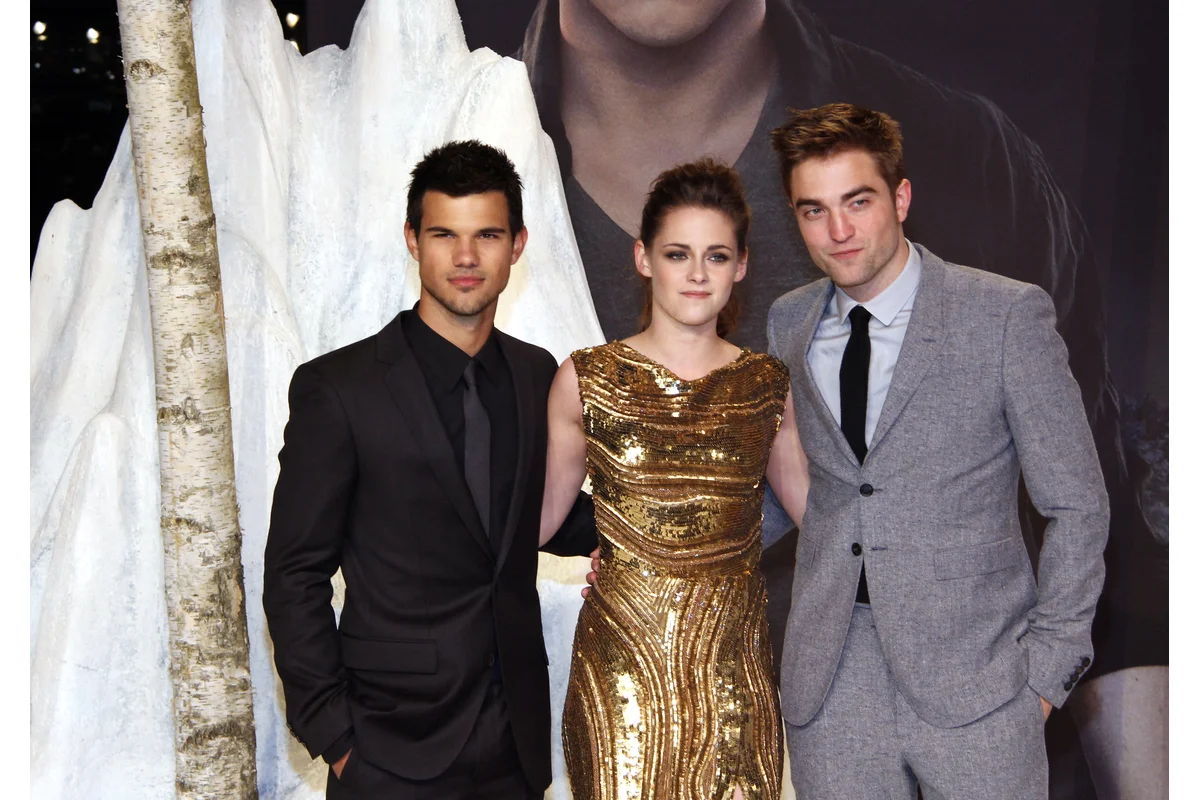
[The Twilight sequels] had personality, in spite of a really stifled process. They feel almost overtly, bizarrely, spastically themselves.
You need to have an incredibly thirsty, hungry, brazen, deplorably narrow drive. You look at that and you get jealous of it as an actor. So then you go, ‘I’d like to form my own version of that.’
As the saga progressed, Weitz took the helm for New Moon, David Slade directed Eclipse, and Condon oversaw both parts of Breaking Dawn. Despite all five films being scripted by Melissa Rosenberg, each director attempted to infuse their adaptation with a degree of individuality. Stewart expressed both empathy and admiration for this endeavor, recognizing the difficulties of introducing personal interpretations in a studio-driven environment.
Stewart’s Evolving Perspective on Creative Freedom
The actress reflected further on the studio pressures unique to the blockbuster franchise model, such as the tight release schedule and the need to mediate a consistent visual style. This industrial approach led to the movies becoming more similar in tone as they continued, yet Stewart commended the efforts of the creatives involved. Her praise for the sequel directors centered on their attempts to add authentic touches to films that were ultimately shaped by external demands.
Stewart’s admiration for these directors also connects directly to her own filmmaking, specifically in The Chronology of Water. This film, her first as director, has already gained critical acclaim, scoring 95% on Rotten Tomatoes according to 37 reviews. The independence she experienced while directing her own project contrasted sharply with her time in the Twilight franchise, where directorial freedom was more limited. Nonetheless, Stewart credited the experience of working with the Twilight directors for deepening her appreciation of directorial vision and its role in storytelling.
Lasting Impact of the Twilight Directors on Stewart’s Career
Stewart’s reflections reveal how her collaboration with filmmakers like Chris Weitz, Bill Condon, David Slade, and Catherine Hardwicke influenced her understanding of creative leadership. As she continues her own directorial journey, she recognizes the lasting effect these experiences have had, shaping her perspective on artistic expression and personal storytelling. The balance between personal vision and large-scale studio constraints remains a central lesson she learned from her time working on the Twilight movies.
With Stewart’s film, The Chronology of Water, set for release in theaters on December 5, 2025, her insight into the challenges of franchise filmmaking stands as a testament to the enduring influence of her peers and her ongoing commitment to creative authenticity.
