
Mads Mikkelsen and Bryan Fuller, best known for their work on the acclaimed series Hannibal, are joining forces again for the new horror film Dust Bunny, set to arrive in cinemas on December 12. This highly anticipated Mads Mikkelsen Hannibal reunion marks their first collaboration in a decade, offering fans a new story that blends dark themes with unexpected heart and imagination.
A Decade Since Hannibal’s End: New Collaboration Emerges
Hannibal captivated audiences on NBC with its inventive storytelling and Mads Mikkelsen’s unforgettable performance as the titular character, but the series was ultimately cancelled due to ratings challenges. Since then, there have been frequent discussions about reviving the show, yet none have progressed to a new season. Despite these hurdles, both Mikkelsen and creator Bryan Fuller have found another opportunity to work together in the horror genre with Dust Bunny.
The new film follows the story of Aurora, a 10-year-old girl played by Sophie Sloan. Aurora believes a monstrous rabbit lurking beneath her apartment’s floorboards has eaten her parents. She seeks help from a reclusive neighbor, portrayed by Mads Mikkelsen, who becomes an unlikely ally in her quest to confront the beast. As the unlikely pair bond, the threat escalates—soon a group of assassins enters the picture, making clear the terror under their feet is far from imaginary.
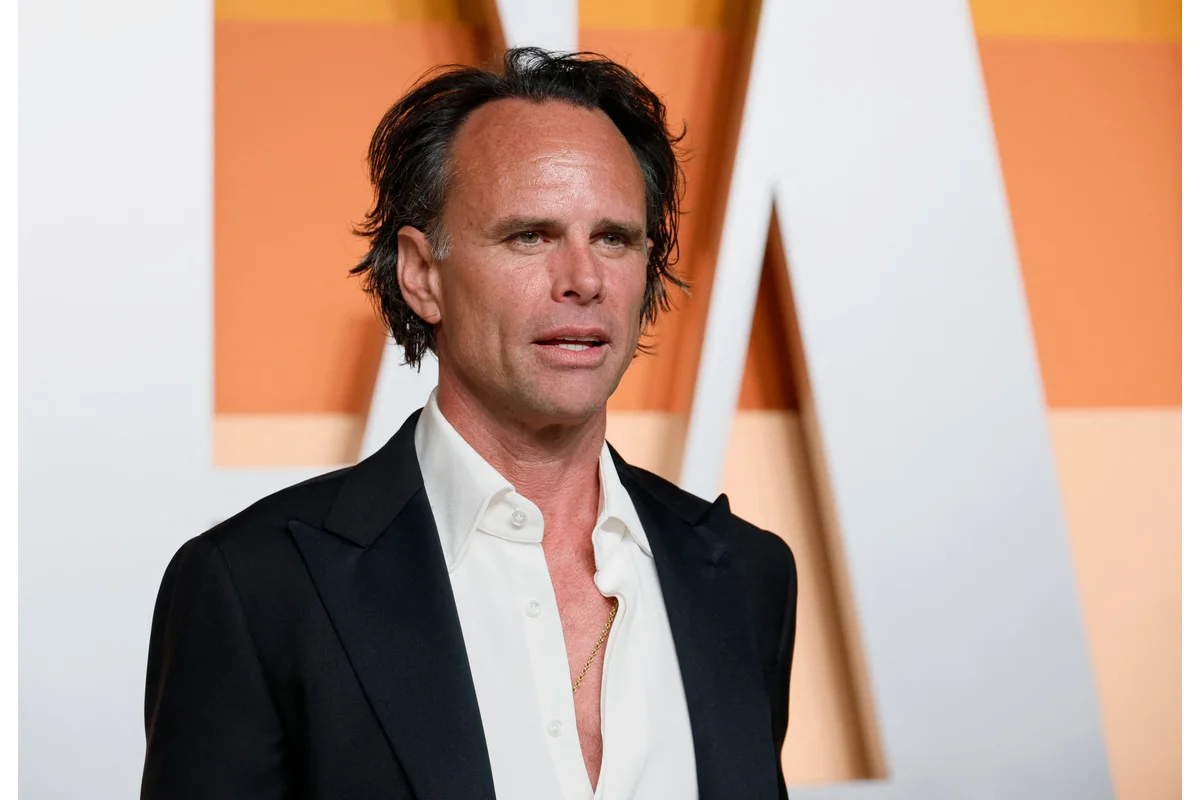
Directing Mikkelsen: A Different Kind of Role
Fuller recently spoke in detail about the difference between directing Mads Mikkelsen in Dust Bunny and during their earlier work on Hannibal. He noted how their latest film allowed Mikkelsen to display sides of his personality that fans rarely see on screen.
“Liberating because Mads is nothing like Hannibal. He is kind of a sloppy guy who likes his soccer and his McRib sandwiches and who loves his grandchildren and dog. He isn’t as refined or pretentious as that character. I was excited about working with him on a character that is much closer to the Mads that I know as my friend, as my brother from this industry. So, I was excited to show people, particularly the scene with Sigourney outside the elevator, the version of Mads that I get to see when I talk to the playfulness of him. I was like,
“You are so charming and funny and light on your feet and quick. I wanted to tell a character that had access to that levity that Hannibal never had.”
” – Bryan Fuller, Creator/Director
This shift offers the audience a fresh look at Mikkelsen’s talent and allows the actor to engage with humor, charm, and a lighter tone—qualities distinct from the cold meticulousness of Dr. Hannibal Lecter.
New Character Challenges: The Neighbor vs. Hannibal
Mads Mikkelsen also weighed in on how his new role in Dust Bunny offered a break from the emotionally selective, charismatic villainy of Hannibal. Instead, The Neighbor is a socially awkward, solitary figure who faces unique challenges connecting with others, including Aurora.
“I think that Hannibal is not detached. He’s just very picky when he’s emotionally attached, right? He chooses. This guy is socially awkward: he just doesn’t havesocial skills for that reason. He’s also living by himself, and he’s doing fine with that. So… he’s just a different character. Whether it was an adult or a kid, it didn’t really matter; he’s just not good at communicating with people. And uh and when it’s a in this case, it’s a kit and it’s an insisting kid and it’s a lying kid, it’s a very uphill battle for The Neighbor.”
– Mads Mikkelsen, Actor
Paired with young Aurora, The Neighbor’s journey becomes one of navigating trust and companionship, set against a monstrous threat. These dynamics offer unique storylines, diverging from the psychological precision of Hannibal and allowing for exploration of vulnerability and growth.
From TV Concept to Feature Film: Dust Bunny’s Origins
Dust Bunny was originally conceived by Bryan Fuller as a pitch for the anthology television series Amazing Stories. The concept pivoted into a feature film after it was not selected for the TV show. This transition allowed Fuller to broaden the world and focus on making Aurora’s experience deeply personal, highlighting her resilience in a difficult family situation and the extraordinary adventure she undertakes with The Neighbor.
“This is a movie and it should be my first movie.”
– Bryan Fuller, Creator/Director
The feature format enabled Fuller to delve further into the emotional landscape, making Aurora’s struggle not just an external battle with a monster, but also a metaphor for surviving adversity at home. The decision allowed for more nuanced character development and more expansive storytelling.
Innovative Creature Design and Practical Effects
One key aspect that sets Dust Bunny apart is its commitment to practical effects. The monstrous bunny at the heart of the story was designed in collaboration with comic book artist Jon Wayshack, known for his ability to give characters an unhinged, heightened quality. Wayshack’s initial designs combined features of a highland cow, a piranha, a hippopotamus, and, crucially, a bunny, resulting in a creature both strange and menacing. From these sketches, the design evolved through partnership with Legacy Effects, who built a practical puppet, and with visual effects teams who completed the monster’s cinematic presence.
Fuller explained the choice to invest in a practical puppet, despite budget constraints: the real creature gave young actor Sophie Sloan something tangible to react to, helping draw out authentic performances and grounding the film’s fantasy in an atmosphere of genuine tension and fear. This approach enhanced the believability of the horror, particularly from the perspective of a child protagonist.
“Oh shit. That’s money we no longer have that is going to this thing, that could be CG.”
– Bryan Fuller, Creator/Director
Having the puppet on set proved to be a worthwhile artistic investment for Dust Bunny’s visual storytelling, enriching the film’s atmosphere and performances.
Underlying Themes: Childhood Resilience and Self-Discovery
Dust Bunny is more than a tale of monsters under the bed. It becomes a meditation on childhood struggle, the wish for protection, and coming to terms with trauma. The film was designed to allow audiences space to connect with the character of Aurora, inviting viewers to reflect on their own childhood experiences through the story’s allegorical lens.
Wardrobe played a unique role in building these themes, with Catherine Leterrier and Olivier Beriot collaborating to design costumes for Sigourney Weaver and the rest of the cast. Their long-standing partnership enriched the film’s visual storytelling, supporting the narrative of characters striving to repair themselves and find hope amid difficulty.
“Can I just talk to you about this? Can we sit down and talk about the script? I have so many questions and they are not about the work. They are about why you wrote it.”
– Olivier Beriot, Costume Designer
This personal connection between the creative team and the story encourages audiences to relate to the characters—not just as on-screen personalities, but as representations of self-reliance and the need for companionship during hardship.
“How are you Aurora? Are you the neighbor or are you Aurora?”
– Olivier Beriot, Costume Designer
“This is what I want. I want people to tell how they see themselves in the character.”
– Bryan Fuller, Creator/Director
Fuller intentionally kept Aurora’s backstory sparse, emphasizing universal emotions over specific plot details. The wish at the heart of Aurora’s story is intended to resonate with anyone who has faced challenges as a child, facilitating a conversation about how viewers see themselves in the heroine’s journey.
The Power of Storytelling: Healing and Hope
The narrative encourages self-reflection and audience participation, as viewers are invited to consider how their own experiences mirror Aurora’s. The film directly addresses the idea that while stories may not “fix” us entirely, they can offer comfort and help us process pain.
“This isn’t going to fix you, but I think it will help.”
– Sigourney Weaver, Actor (as quoted in film)
Fuller described how writing the character of Aurora allowed him to confront his own childhood wishes and disappointments, turning personal memories into an imaginative cinematic adventure. By raising difficult topics without overwhelming exposition, Dust Bunny enables a diverse audience to engage with the themes according to their own lives and memories.
“That’s actually a real place of pain experience that the movie doesn’t want to distract you with.”
– Bryan Fuller, Creator/Director
These messages of resilience, recovery, and the need for support are deeply embedded within the horror framework, emphasizing storytelling as a tool for healing.
Anticipated Release and Audience Expectations
As Dust Bunny approaches its December 12 release through Lionsgate and Roadside Attractions, anticipation around the Mads Mikkelsen Hannibal reunion continues to build. The collaboration with Sophie Sloan, Sigourney Weaver, and the experienced creative team is poised to deliver not only a chilling monster movie, but also meaningful, emotionally resonant drama. The involvement of entities like Bryan Fuller, Legacy Effects, and a dedicated wardrobe design team demonstrate the film’s commitment to quality in every aspect of the production.
For fans of Hannibal, the return of Mikkelsen and Fuller’s partnership is notable not just for nostalgia, but for the evolution of their working relationship. This film’s success may also encourage future projects between the two, potentially reigniting hope for new Hannibal stories down the line. In the meantime, Dust Bunny stands as a testament to creative resilience and the enduring impact of innovative horror, setting the stage for both chilling entertainment and personal reflection.
The reunion behind Dust Bunny shows how past partnerships can evolve to create fresh narratives, blending the skills and strengths of key figures like Mads Mikkelsen and Bryan Fuller, while drawing in new talents such as Sophie Sloan and Sigourney Weaver. With its mix of horror, heartfelt themes, and inventive creature design, Dust Bunny is positioned to leave a significant mark as one of the year’s anticipated film releases.
