
Richard Gere, best known for his roles in movies like “American Gigolo,” “An Officer and a Gentleman,” “Pretty Woman,” and “Runaway Bride,” has spoken out about his well-known Richard Gere Oscars ban, which kept him from the Academy Awards for two decades. Gere’s 20-year exclusion from the Oscars stemmed from a speech he gave that criticized China’s policies in Tibet during a ceremony, an act which placed him in direct conflict with the Academy’s guidelines and led to his prolonged banishment.
In 2003, Gere won a Golden Globe for his performance in “Chicago,” a film that also brought him back to the Academy Awards as a nominee. He was allowed to attend the Oscars again in 2013 as a presenter, following the lifting of his ban. Over the years, Gere has remained one of the most recognizable figures in Hollywood, and his absence from one of film’s most prestigious events raised questions and concerns throughout the entertainment industry.
Controversy Over His Stand on Human Rights
The issue at the core of Gere’s ban was his public objection to China’s treatment of Tibet, expressed ten years before his eventual return to the ceremony. His comments during the televised segment were seen as a violation of the Academy’s desire to keep the ceremony free of political statements, leading to the decision to bar him from attending future events for two decades. Gere’s return to the event was only made possible by the overwhelming acclaim for “Chicago,” which garnered several nominations.
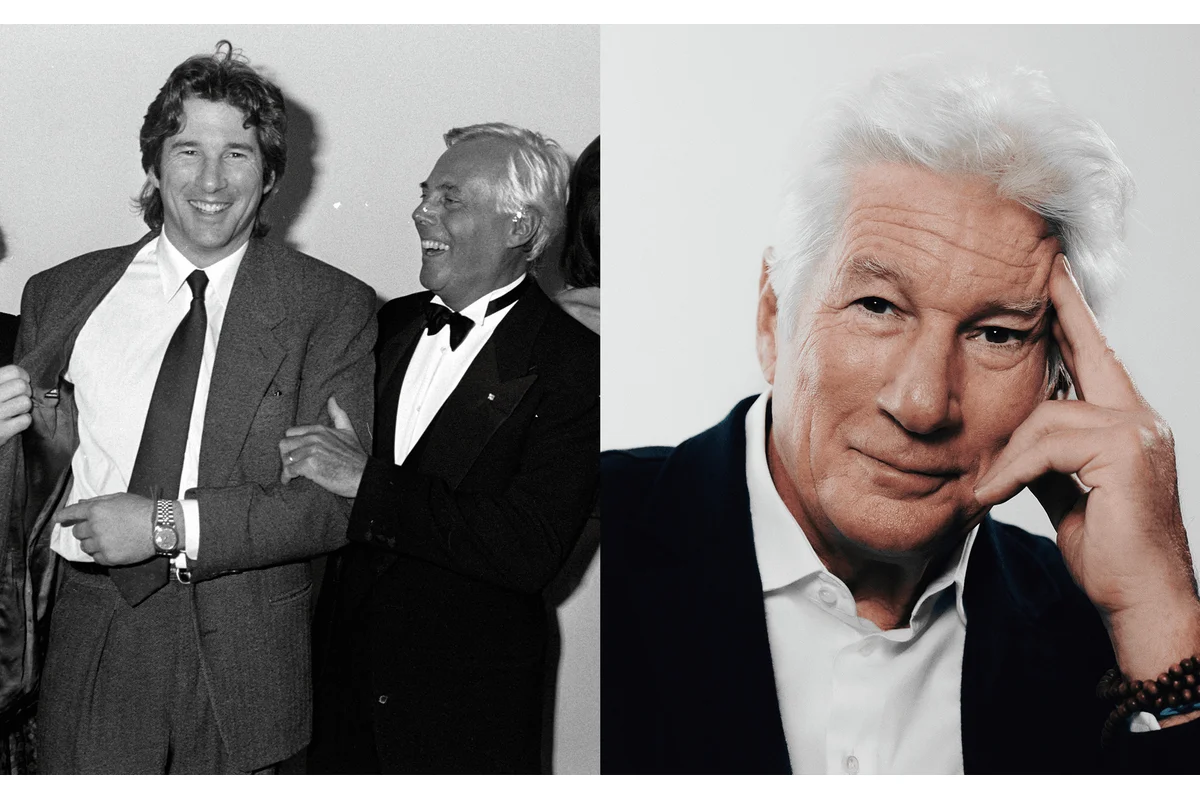
Recently, Gere spoke with Variety about the incident, addressing whether he holds any resentment or anger toward the Academy for the long-standing ban. Rather than expressing bitterness, Gere chose to clarify his intentions, emphasizing that he did not view anyone involved as an enemy, nor did he mean to inflict harm with his statements.
“I didn’t take it particularly personally. I didn’t think there were any bad guys in the situation. I do what I do and I certainly don’t mean anyone any harm. I mean to harm anger. I mean to harm exclusion. I mean to harm human rights abuses, but I try to stay as close to where His Holiness comes from… that everyone is redeemable, and in the end, everyone has to be redeemed or none of us [are]. So in that sense, I don’t take it personally.”
— Richard Gere, Actor
Gere’s comments highlight his perspective on forgiveness and understanding, values he attributes in part to his friendship with the Dalai Lama, the influential leader of Tibetan Buddhism. Gere noted that his words during the 1993 ceremony were never intended to cause an uproar but were instead meant to advocate for inclusion and human rights. For Gere, taking a stand against exclusion and injustice has always been more important than the awards themselves.
Relationship with the Dalai Lama and Moving Forward
Throughout these years, Gere has maintained a close relationship with the Dalai Lama. Despite being friends, the subject of the Oscars controversy was never a topic of conversation between them. The Dalai Lama would sometimes send Gere congratulatory notes following award wins, but the two never directly discussed the fallout from Gere’s actions or the Academy’s response.
“It never came up. They’ll tell him once in a while if I get an award or something and he sends a note, congratulating me, that he’s happy for me, But that’s about as close as it gets to actually talking about movies.”
— Richard Gere, Actor
This supportive yet distant acknowledgment allowed Gere to maintain his focus on personal growth and compassion, principles he has tried to emulate in his own life and work.
Gere’s Recent Projects and the Influence of Compassion
After his return to the Oscars, Gere has continued to act and produce, refusing to let his controversial past define his career. Recently, he took on the role of executive producer for a new documentary, “Wisdom of Happiness,” which explores the life and teachings of the Dalai Lama. The film provided a unique opportunity for both Gere and his spiritual mentor, even as it revisited past memories. According to Gere, the Dalai Lama was not particularly interested in viewing footage of himself, but he found joy reminiscing about his childhood through old family and friends featured in the documentary.
“He really didn’t have any interest in seeing himself at all. So she kind of skipped forward through that, but when there was this old footage where he was seeing his old friends and family and remembering — he was delighted going into his memory bank of his childhood, like we all would.”
— Richard Gere, Actor
This project exemplifies Gere’s ongoing commitment to sharing messages of peace and compassion, striving to highlight the humanity and shared experiences of people from all backgrounds.
Context: Other Notable Figures Banned from the Oscars
Though Richard Gere’s ban was rooted in his outspoken advocacy for Tibet and human rights, he is not the only public figure to face expulsion from the Oscars. Throughout its history, the Academy of Motion Picture Arts and Sciences has expelled several notable individuals due to various forms of misconduct or criminal allegations. These include Carmine Caridi, Bill Cosby, Roman Polanski, Harvey Weinstein, and Adam Kimmel, all of whom were banned for reasons including sexual assault and other serious charges.
In 2022, the ceremony experienced another high-profile scandal when Will Smith was banned for a decade after a widely publicized incident in which he slapped comedian and presenter Chris Rock on stage. The incident occurred in response to a joke about Jada Pinkett Smith and became one of the event’s most talked-about moments, overshadowing Smith’s win for Best Actor that same evening.
The Academy’s willingness to impose bans on both criminal and non-criminal grounds demonstrates the complexity of balancing free expression, public image, and ethical standards at one of the world’s most-watched entertainment events.
Lasting Impact of Richard Gere’s Oscars Ban and What Lies Ahead
Although Gere’s ban from the Oscars ended over a decade ago, the episode remains a significant chapter in both his life and the history of the Academy. Gere himself has declared that the controversy no longer holds any power over him—as he explained to Variety, his focus remains on speaking his truth, standing by his spiritual convictions, and continuing to make films that resonate with viewers. His most recent work, tied closely to the teachings and life of the Dalai Lama, reflects his enduring dedication to compassionate activism within and beyond Hollywood.
For the Academy, the evolution of its policies regarding bans and discipline may continue to shape how it responds to public controversy and celebrity conduct. While the Richard Gere Oscars ban is only one example among many, it stands out for the way it intersects with questions of freedom of expression and the role of entertainers in public discourse, topics that remain intensely relevant today.
