
James Cameron on filmmaking and AI has taken center stage with the release of “Avatar: Fire and Ash,” the lengthy and visually striking third entry in his acclaimed science fiction saga. As the film debuts in theaters, Cameron reflects on the intersection of storytelling, technology, and the growing influence of artificial intelligence, addressing what this means for future filmmakers and the creative process, especially as the industry leans into new digital frontiers.
Set against the backdrop of Pandora’s ongoing war between humans and the Na’vi, “Avatar: Fire and Ash” introduces new Na’vi tribes known as the Mangkwan, also called the Ash People, and continues the story of Jake Sully, Neytiri, and their expanding family. At just over three hours, the film doubles down on its epic scale, ensuring that every moment is crafted with Cameron’s signature attention to detail and innovation—yet above all, he makes clear that storytelling remains paramount in his filmmaking approach.
Committed to Vision: Technology in Service of Story
James Cameron’s reputation as an innovator began with his breakthrough work on “Avatar” in 2009, which introduced audiences to new worlds through revolutionary filmmaking methods. In developing “Avatar: Fire and Ash,” Cameron served not only as director but also took on writing, producing, and – crucially – editing responsibilities alongside his team. Exploring his philosophy, Cameron emphasizes that technology serves the story rather than the other way around. He notes that while sophisticated computer-generated imagery, advanced design, resonant music, and immersive 3D effects are essential, they are orchestrated to create an authentic audience journey.
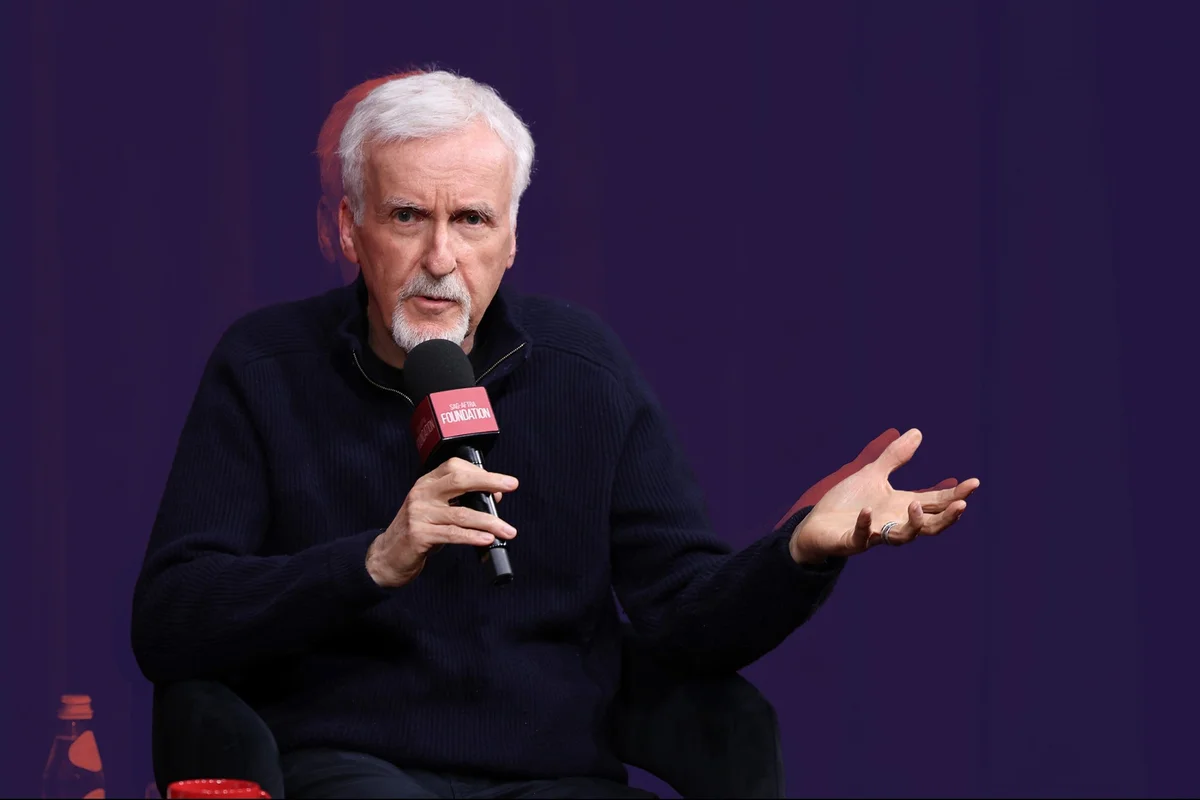
“I think people use the term technology, but really, I think it’s our desire to create a kind of dreamlike reality that seems very lucid and very real and doesn’t look like other movies,”
James Cameron, Director.
The cast once again features Sam Worthington as Jake Sully, Zoe Saldaña as Neytiri, Sigourney Weaver as Kiri, and Stephen Lang as Colonel Miles Quaritch. Within the near-200-minute runtime, the film explores the emotional complexities within Sully’s family, especially his relationships with characters like Lo’ak and his son, delving into loss, grief, and resilience. Cameron credits the cast’s performances for the film’s success in making its extended length bearable, even as it ushers audiences into entirely new cultural landscapes and unfamiliar settings.
The director remains adamant that, though technology is integral to the cinematic experience, it is ultimately the emotional reality and development of the characters that compels viewers to leave their homes and immerse themselves in the world on screen. He believes that a film’s innovation is only valuable when it serves the evolving journey of its people—no matter how fantastical the environment may be or how advanced the filmmaking tools have become.
Every Scene Matters: Sculpting an Epic Runtime
Cameron’s hands-on role extended to making tough editing decisions, ensuring that every scene included in “Avatar: Fire and Ash” earned its place. His process, he explains, is less about leaving out inferior moments and more about preserving narrative momentum. He likens the task to sculpting stone, where each cut clarifies the overall form rather than discarding weaker pieces.
“The goal was to do something epic, to do a saga around this family,”
James Cameron, Director.
Although over 25-30 minutes of fully developed scenes didn’t make the film’s final cut, Cameron insists this was to maintain a fast-moving, satisfying story rather than due to any lack of quality in the removed material. He aims to ensure that all threads in the story reach their highest emotional point, believing strongly that unresolved or repetitive moments hinder audiences’ engagement. Cameron acknowledges a potential future “director’s cut” with this unused footage, but stresses that the pacing and tight narrative as released matches his vision for a truly immersive epic.
Cameron’s Advice: Navigating the Age of Artificial Intelligence
With the rapid rise of generative AI in entertainment, Cameron’s perspective on its role in cinema is both pragmatic and cautionary. While he concedes that AI is likely an unavoidable part of filmmaking’s future, he is wary of its indiscriminate use, particularly when it comes to replacing the irreplaceable uniqueness of actors. Cameron advocates for constructively channeling AI toward efficiencies in previsualization or story development, but he warns strongly against using it to create performances in place of real human emotion and lived experience.
“You just have to trust the actors,”
James Cameron, Director.
Cameron argues that actors are central to the spirit of memorable films. He highlights the importance of working closely and extensively with cast members—including 18 months spent capturing performances before focusing on visual effects and shot composition—in order to ensure that every character’s journey resonates with the audience. He recommends that emerging filmmakers take time to genuinely study acting, understanding it as a critical wellspring of creativity that brings depth and truth to the cinematic experience.
He acknowledges that for newcomers with limited resources, AI might offer an accessible route to experimentation, but cautions that there is no substitute for the “unique, lived human experience” that actors bring to their roles. Generic, prompt-driven digital performances lack the idiosyncratic and deeply particular qualities that define great cinema and draw viewers fully into a film’s world. Cameron’s passionate message is clear: however advanced the technology becomes, creativity and connection will always be rooted in human stories and the craft of performance.
What’s Ahead for Avatar, AI, and Storytelling
As “Avatar: Fire and Ash” opens in theaters, Cameron’s passionate commitment to story-first cinema reverberates throughout the film and his commentary. His collaboration with actors like Zoe Saldaña, Sigourney Weaver, Stephen Lang, and Sam Worthington, as well as the entire cast, demonstrates his belief in the inimitable value of human performance. Cameron’s creative choices serve as both a testament to his ongoing legacy of innovation and a caution to younger filmmakers who look to artificial intelligence as a shortcut.
Looking beyond this chapter, Cameron’s doubts about future installments and his hesitation around unchecked technological substitution in storytelling signal a continued push for meaningful, actor-driven cinema. As viewers are drawn back into the visually rich world of Pandora, Cameron’s voice remains one of both creative passion and thoughtful warning—urging the next generation to honor authenticity, especially as AI technology becomes more pervasive in filmmaking. “Avatar: Fire and Ash,” filled with dynamic characters, new cultures, and emotional depth, stands as his latest statement on the enduring necessity of powerful, human-centered stories.
The film invites audiences to experience the next phase of Jake Sully’s life, the powerful presence of Neytiri and Kiri, and the evolving landscapes on Pandora. With critics and fans closely watching how Ash People and other new groups are woven into the story, James Cameron’s influence will remain potent in the ongoing conversation around the future of filmmaking and the responsible integration of emerging technology.
