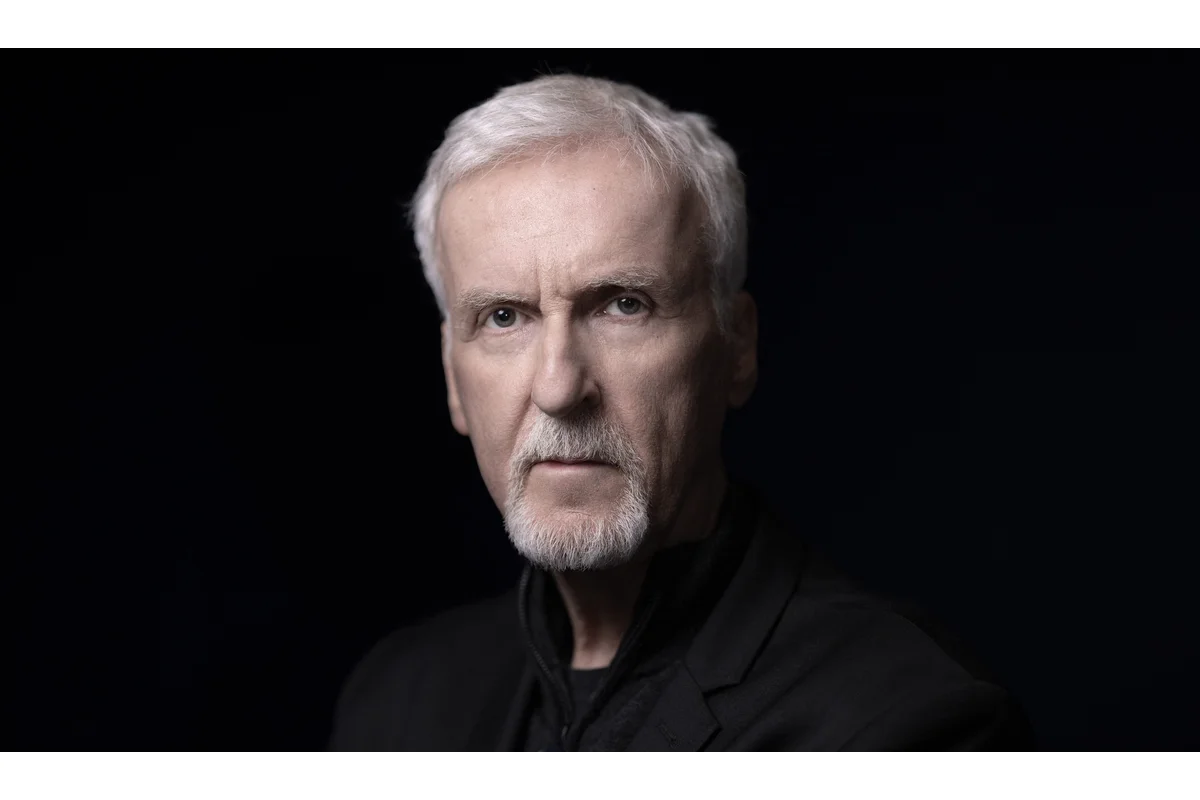
James Cameron, James Cameron Aliens production struggles [Image Source: SCIFIED]
James Cameron Aliens production struggles have resurfaced after the acclaimed director spoke candidly about the turmoil he faced while making the iconic sequel, Aliens, at Pinewood Studios. During a recent appearance on Michael Biehn’s podcast, Cameron detailed how he felt consistently undermined during filming and recounted an infamous standoff with the British crew that shaped both the film and his approach as a director.
An Overview of a Legendary But Grueling Production
The general belief about Aliens is that it’s a perfectly executed sequel that not only met but exceeded the expectations set by Ridley Scott’s original. However, Cameron’s own account reveals a stark contrast between the finished film’s reputation and the daily reality he experienced as a young American navigating British filmmaking culture at Pinewood Studios. He consistently felt his authority challenged and admitted he believed the crew did not respect either him or what he saw as a maligned genre project.
Revisiting the Story of the Crew’s Revolt
On the podcast hosted by Michael Biehn, Cameron revisited the story of the so-called “mutiny” by the crew—a tale that has circulated within industry circles for years, often referencing a pointed “letter” he supposedly gave the disgruntled team. Cameron clarified that,
“It wasn’t a letter that I’d written,”
James Cameron, Director. He insisted that, contrary to popular belief, it was a speech he delivered on set, and although he could not claim to remember each word exactly, the spirit of the statement was true to what happened.
Image of: James Cameron
“I’m not sure I said it exactly that way, but it did keep me going,”
James Cameron, Director.
Roots of Conflict: Firing the Crew’s First Assistant Director
Cameron described the incident as stemming from his controversial decision to fire Derek Cracknell, the film’s first assistant director—someone Cameron believed worked against him from the start. He recounted,
“I actually started it, I was talking to a bunch of the crew,”
James Cameron, Director. The situation escalated when the crew, angry over Cracknell’s firing, stopped working and left the set. Cameron added,
“The crew that had mutinied on us, downed tools and walked off the set in the middle of a shooting day because they didn’t like the fact that I fired that motherfucker Derek Cracknell.”
James Cameron, Director.
He went further to allege that Cracknell, who was well-liked among the crew,
“was chummy with all the crew, couldn’t stand me, [and] undercut me at every possible opportunity,”
James Cameron, Director. Following the walkout, production management was forced to rehire Cracknell to continue filming.
On-Set Tensions and Cultural Clashes
Cameron painted a vivid picture of a tense set, describing some workers as “ineffective lifer wallies” and criticizing the work environment, which sometimes included crew members returning to work intoxicated after lunch. He reflected on how different filmmaking norms in that era contributed to a chaotic workflow, and though he pointed out these behaviors, he noted that standards for such work had improved dramatically since then, particularly within UK film crews.
Cameron’s Defiant Message to the Crew
After the fallout, Cameron recalled delivering a stinging address to the same crew, fueled by frustration and a desire to seize back control of his project. Prefacing his remarks, Cameron said,
“I’m probably going to get in trouble for this, but this is true,”
James Cameron, Director. He then described the emotional moment, telling the crew,
“And I said [to the crew], ‘Every day as I drive out of the studio, I pass underneath that Pinewood gate, the big Pinewood Studios [sign]. And I think, someday I’m going to be done with this film…someday I’m going to drive out that gate, and I’m not going to be coming back. And it’s going to strike me. It’s going to be an emotional moment because I will know that I’m gone, but you sorry motherf*ckers are going to spend the rest of your lives here.’”
James Cameron, Director.
Cameron recounted walking away after his speech, embracing what he called a “mic drop” moment. He acknowledged that his words were blunt and unapologetic, but maintained that the challenges he faced necessitated a hard stance.
“I don’t even really feel that bad about it,”
James Cameron, Director. He further justified his actions by stating,
“No. Because they fucked with me, unfathomably, on that film.”
James Cameron, Director.
Reflection on the Struggles and Their Legacy
Cameron’s recounting of these intense moments on the Aliens set was both unfiltered and tinged with bitter humor. The legendary director has never shied away from sharing the less glamorous aspects of filmmaking, and his stories about Pinewood Studios now belong to Hollywood lore. Figures such as Michael Biehn—who played Corporal Hicks—and key crew members like Cracknell are tied to this history, representing the broader American and British collaboration that made the film possible.
Cameron’s directness during the interview has reignited discussions about the cost of boundary-pushing filmmaking and the pressures faced by directors steering high-stakes sequels. The friction on set is a reminder of how cultural differences, power struggles, and individual confrontations can shape outcomes, even on projects destined for lasting fame.
Lasting Impact on Filmmaking and Creative Authority
The “Aliens” production saga remains a defining chapter for both Cameron and for Pinewood Studios. As a result of these production struggles, Cameron’s reputation as a determined and unwavering filmmaker was further established. The challenges and fierce pushback he faced ultimately contributed to his legacy and have become a key part of the film’s mythology. Despite the negative emotions and intensity that marked the process, the episode underscores how creative authority is often hard-won on large sets.
James Cameron Aliens production struggles continue to be discussed as a case study in perseverance, leadership, and the importance of asserting vision against entrenched skepticism. For those captivated by the making of Hollywood classics, Cameron’s candid perspective offers a unique lens through which to examine the human and professional cost of cinematic greatness at Pinewood Studios.