
Leonardo DiCaprio recently opened up about his feelings regarding his extensive work with director Martin Scorsese, revealing a personal regret concerning their long-standing collaboration. Speaking at the A Year in TIME event, DiCaprio addressed his desire to have been more involved in observing Scorsese’s directing process, emphasizing a missed chance to learn more from his mentor—a sentiment that highlights his Leonardo DiCaprio collaboration regrets.
Over six feature films spanning two decades, the duo has achieved significant milestones in the film industry, forging a creative bond that has become iconic. Despite his deep respect for Scorsese’s craft, DiCaprio remarked that he never pursued directing, feeling that he could not match Scorsese’s extraordinary abilities. As he reflected on working alongside such a renowned filmmaker, he recognized a longing to witness more of the process unfolding behind the camera rather than solely focusing on his own acting responsibilities.
One of the only things I could say I would regret about our relationship, if anything, is that I’ve been so focused on what I’ve been doing as an actor,
—Leonardo DiCaprio, Actor
You know, you make these decisions, you play these characters, you try to get into the depth of their soul as much as you possibly can. And I would have loved to be much more of a voyeur if I could have been, to watch what you do behind the camera.
—Leonardo DiCaprio, Actor
The Creative Dynamic Behind Acclaimed Films
Martin Scorsese responded to DiCaprio’s remarks by explaining his solitary approach to crafting scenes and reviewing scripts, acknowledging the actor’s ability to deliver powerful and, at times, seemingly impossible performances on screen. Their first collaboration dates back to “Gangs of New York” in 2002, and their partnership most recently yielded “Killers of the Flower Moon” in 2023. The latter project was celebrated with 10 Oscar nominations, including a Best Picture nod, illustrating the powerful impact their creative union has had on cinema and on audiences, including those following the Oscar race and memorable performances.
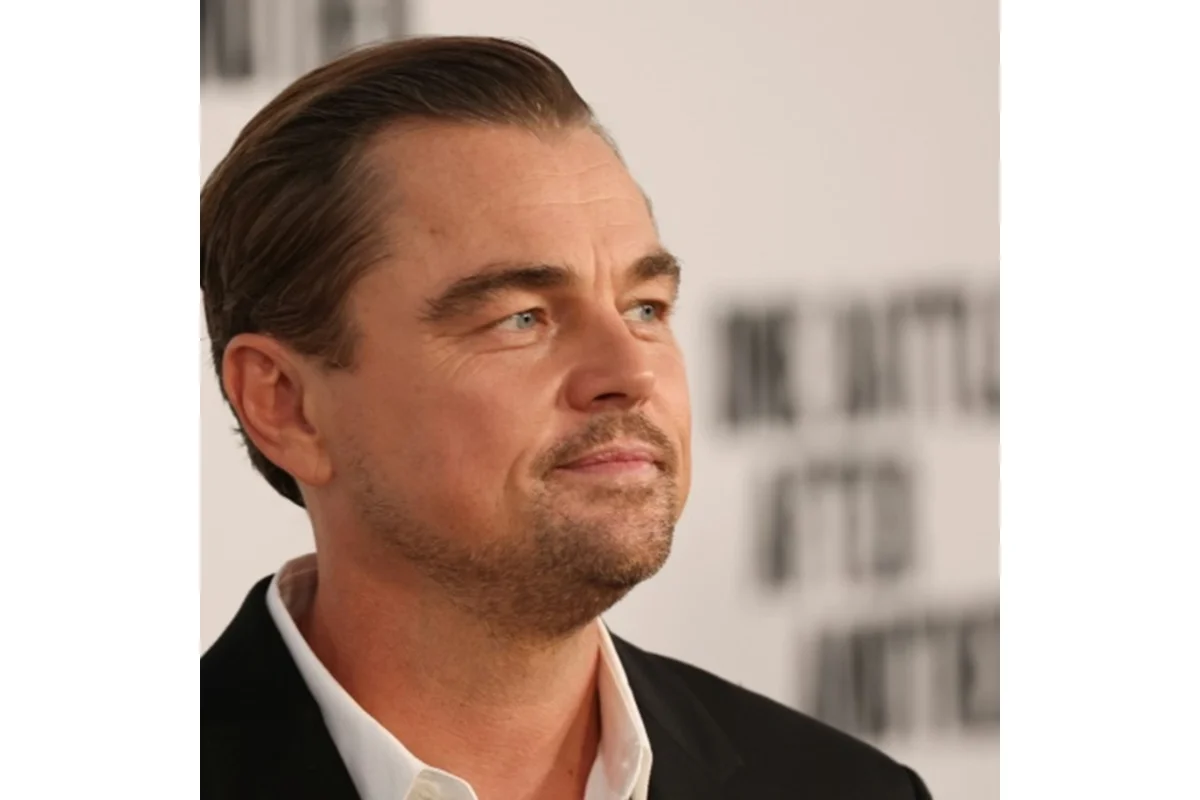
Over the years, Scorsese’s mentorship has clearly resonated with DiCaprio, who values immersion in each character he takes on. Still, the actor’s regret about not observing more of the directing firsthand remains a rare admission amid their otherwise fruitful collaborations.
Upcoming Projects and Renewed Aspirations
DiCaprio and Scorsese confirmed that they are preparing for their seventh joint film, though specifics about the project remain under wraps. With shooting scheduled for February, fans and industry watchers alike are eager to see what this next chapter holds for the renowned duo. This news comes alongside the revival of
“The Devil in the White City”
adaptation at 20th Century, based on Erik Larson’s acclaimed non-fiction account of Daniel Burnham overseeing construction at the 1893 Chicago World’s Fair and the crimes of H. H. Holmes.
The story of
“The Devil in the White City”
has experienced a winding development history since 2003, when fairgoers’ chilling fates and the intertwining of architectural triumphs and criminal horrors first captivated readers. Leonardo DiCaprio purchased the adaptation rights in 2010, and Martin Scorsese joined as director in 2015. Although the project shifted from a feature film to a Hulu series, only to be canceled in 2023, its recent return to development reveals the duo’s ongoing commitment to ambitious storytelling.
Lasting Legacy and Continuing Influence
For DiCaprio, openly discussing collaboration regrets underscores his dedication to personal and professional growth, particularly alongside mentors like Scorsese. With another joint project on the horizon and renewed efforts to bring
“The Devil in the White City”
to screens, their partnership continues to shape the landscape of modern filmmaking. As fans anticipate the duo’s future work, the significance of their connection—marked by mentorship, creativity, and critical acclaim—remains a driving force in cinematic history.
