
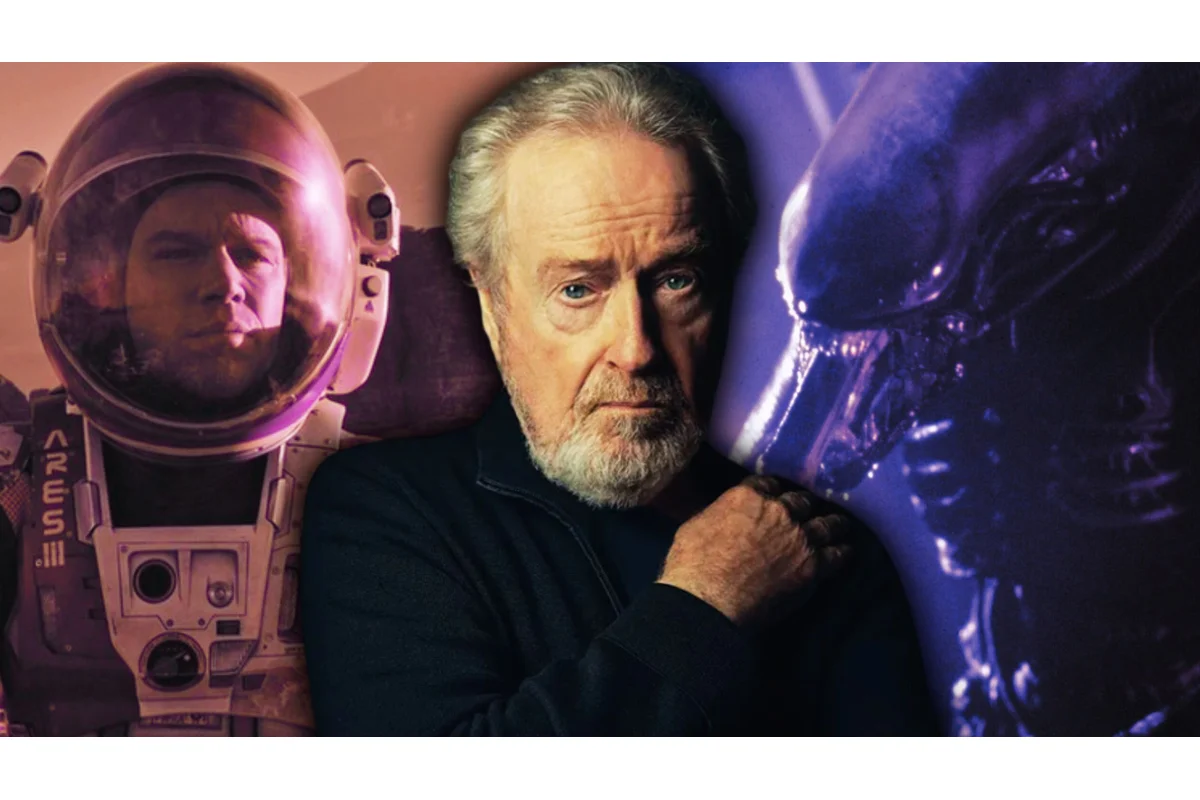
Ridley Scott sci-fi movies have become legendary for their imaginative worlds, memorable characters, and a daring approach to genre filmmaking. As Scott continues to shape the landscape of science fiction and fantasy, his masterpieces are both celebrated and debated, sparking passionate discussion among viewers and critics alike.
A Visionary Director’s Contribution to Sci-Fi and Fantasy
Ridley Scott stands among the most influential filmmakers, renowned for creating cinematic worlds that linger in popular culture. From the terrifying corridors of Alien to the philosophical rain-soaked streets of Blade Runner, Scott’s mastery extends across genres, but his impact in science fiction and fantasy is unmatched. His body of work is defined by innovative storytelling, unique visual flair, and the courage to tackle complex ideas concerning humanity, technology, and survival.
In this ranking, we explore Scott’s major sci-fi and fantasy entries, offering a closer look at what makes each project stand out—or stumble. Whether through monsters in deep space or dystopian futures, each film reflects the director’s evolving style and commitment to pushing the boundaries of cinematic storytelling.
6. ‘Legend’: Ambition Over Storytelling
While Ridley Scott is more commonly associated with gritty sci-fi than high fantasy, he nonetheless ventured into the genre with Legend. The story revolves around Jack (Tom Cruise), who embarks on a quest to rescue Princess Lili (Mia Sara) from the clutches of Darkness (Tim Curry) and to safeguard enchanted unicorns. Despite its ambitions to reach fairy-tale grandeur, the film is let down by underdeveloped characters and a script riddled with inconsistencies.
Legend prioritizes stunning visuals and atmosphere over coherent storytelling, resulting in a film that feels more like a showcase of imagery than a compelling narrative. Many scenes appear to be chosen for their aesthetic appeal rather than their contribution to plot or character development. Some viewers consider it an unrecognized treasure, but others find little to appreciate beyond childhood nostalgia. Ultimately, its artistic strengths cannot fully compensate for its weaknesses as a cohesive masterpiece.
5. ‘Alien: Covenant’: A Franchise That Lost Its Way
Attempting to recapture the original’s chilling allure, Alien: Covenant puts the focus on a new group of travelers—the crew of a colonization ship—who land on what appears to be an idyllic world, only to discover the terror lurking beneath its surface. The film succeeds in building claustrophobic tension through its haunting environments and the unsettling design of its extraterrestrial threats. Nevertheless, as the sixth installment in the Alien franchise, it shows a notable lack of unified direction.
The movie’s script attempts to blend horror, philosophical echoes from Prometheus, and signature Alien elements, but struggles to unify these threads into a single vision. Michael Fassbender stands out as David, delivering a mesmerizing performance, and several horror-driven set pieces succeed in gripping the audience. However, the film’s tendency to veer between conflicting styles leaves it feeling uncertain about what it wants to achieve. For longtime fans, it offers entertainment, but fails to meet the deep narrative and thematic standards set by the series’ earlier entries.
4. ‘Prometheus’: High Ambition Meets Uneven Storytelling
With Prometheus, Scott aimed for a film that would challenge and provoke, diving into big questions about creation, the origins of life, and human destiny. The plot follows a team of explorers pursuing a mysterious star map in hopes of encountering humanity’s creators. Led by characters such as Michael Fassbender’s David, the visually stunning expedition shifts quickly from intrigue to nightmarish peril as the team faces the dangers of a hostile, uncharted world.
Although Prometheus is visually remarkable and bold in concept, it is undermined by a script that frequently falters—characters make implausible choices, and significant ideas are left unresolved. This disconnect between vision and execution has divided audiences: some admire its thought-provoking themes, while others lament its narrative gaps. The film does succeed in expanding the franchise’s scope, striving to elevate Ridley Scott sci-fi movies beyond the conventions of biological horror, but it falls short of reaching its intellectual aspirations.
3. ‘The Martian’: Survival Drama with Heart and Humor
The Martian marks a triumphant return to focused, character-driven storytelling for Scott. The film follows Mark Watney (Matt Damon), an astronaut stranded alone on Mars after a mission goes awry. What distinguishes this entry is its ability to make scientific problem-solving both suspenseful and entertaining. Damon brings energy and humanity to the role, balancing dramatic survival scenes with humor and optimism.
Scott transforms complex science into engaging drama, making the challenge of enduring Mars’ hostile climate into a riveting tale. Unlike the horror-driven tension of his other works, this film’s suspense hinges on Watney’s resourcefulness and determination. Praised for its accessibility and coherence, The Martian clinched the Golden Globe for Best Motion Picture and serves as a modern example of Ridley Scott’s versatility in the sci-fi genre.
2. ‘Alien’: Defining the Language of Space Horror
Few films have influenced science fiction and horror as profoundly as Alien. The narrative follows the crew of the Nostromo, who after discovering a cache of mysterious eggs, are plunged into a nightmare of survival against a relentless alien threat. Scott’s direction crafts an atmosphere of dread, making use of confined spaces, methodical pacing, and meticulously constructed suspense.
The brilliance of Alien lies in its ability to evoke fear through suggestion and restraint, channeling horror not through cheap thrills but through the unrelenting sense of vulnerability faced by each character. Sigourney Weaver’s performance as Ripley, the relentless growth of the xenomorph, and the film’s enduring visual style have made it a benchmark for subsequent films in both horror and science fiction. Scott’s work here is often cited as a masterclass in building tension and leaving a permanent impact on the genre landscape.
1. ‘Blade Runner’: The Apex of Scott’s Sci-Fi Imagination
Topping the list is Blade Runner, a film that stands as the cornerstone of Ridley Scott’s sci-fi legacy. Adapted from Philip K. Dick’s novel, it centers on Rick Deckard (Harrison Ford), a weary detective tasked with hunting replicants in a rain-soaked, dystopian Los Angeles. Rather than focusing on monsters or jump scares, Scott immerses viewers in a world that feels tangible, complex, and alive with philosophical questions.
The film’s exploration of what it means to be human remains as compelling now as it was upon release. Each element—from the haunting cityscape to the moral ambiguity of its characters—contributes to a narrative that is thoughtful, layered, and deeply resonant. The distinct cinematic aesthetic has set a standard for countless films since, earning Blade Runner widespread acclaim and a lasting reputation as a high point in both storytelling and visual artistry within science fiction. For many, it is the ultimate Ridley Scott sci-fi movie, as meaningful for its ideas as for its influence on filmmaking itself.
Scott’s Lasting Legacy and The Future of Sci-Fi
Ridley Scott’s contributions to science fiction and fantasy continually inspire audiences, filmmakers, and critics. His films encourage renewed debate about the boundaries of genre, the nature of humanity, and our quest to explore the unknown. As viewers await his next creative venture, Scott’s filmography remains a source of fascination and discussion, confirming his ongoing place at the center of cinematic innovation. Among Ridley Scott sci-fi movies, the conversation endures: which of his masterpieces speaks most to viewers—and which has the greatest impact on the world of film?
“Ridley Scott’s Idea for Gladiator 3 is Influenced by The Godfather”
– Ridley Scott
