
Ridley Scott, best known for influential cinematic works, recently shared in an interview that he believes G.I. Jane is his greatest pro-female movie, even surpassing the widely celebrated Thelma & Louise. This statement about his own film legacy came during a conversation with Letterboxd, where he spoke candidly about his approach to creating movies with strong female narratives. The claim places the focus keyword, Ridley Scott pro-female movies, under discussion among fans and critics alike.
Thelma & Louise, released in 1991, starred Geena Davis and Susan Sarandon as best friends whose adventurous road trip leads them down a dangerous path. Lauded for its powerful message about women’s autonomy and friendship, the film earned widespread acclaim, catapulting Scott’s reputation as a director unafraid to tackle sensitive social topics. Yet, Scott’s more recent remarks directed attention to his 1997 war drama G.I. Jane, starring Demi Moore, suggesting that its depiction of female empowerment goes even further.
Comparing G.I. Jane and Thelma & Louise: Scott’s Viewpoint
Despite the enduring reputation of Thelma & Louise, Scott openly described G.I. Jane as his best contribution to pro-female cinema. He based this comparison not only on the performance of Demi Moore in the film, but also the unique challenges faced by her character, Lieutenant Jordan O’Neil, the first woman assigned to undergo Navy SEAL training. According to Scott, Moore’s portrayal of strength, resilience, and determination distinguishes G.I. Jane as a high watermark for female-led stories on screen.
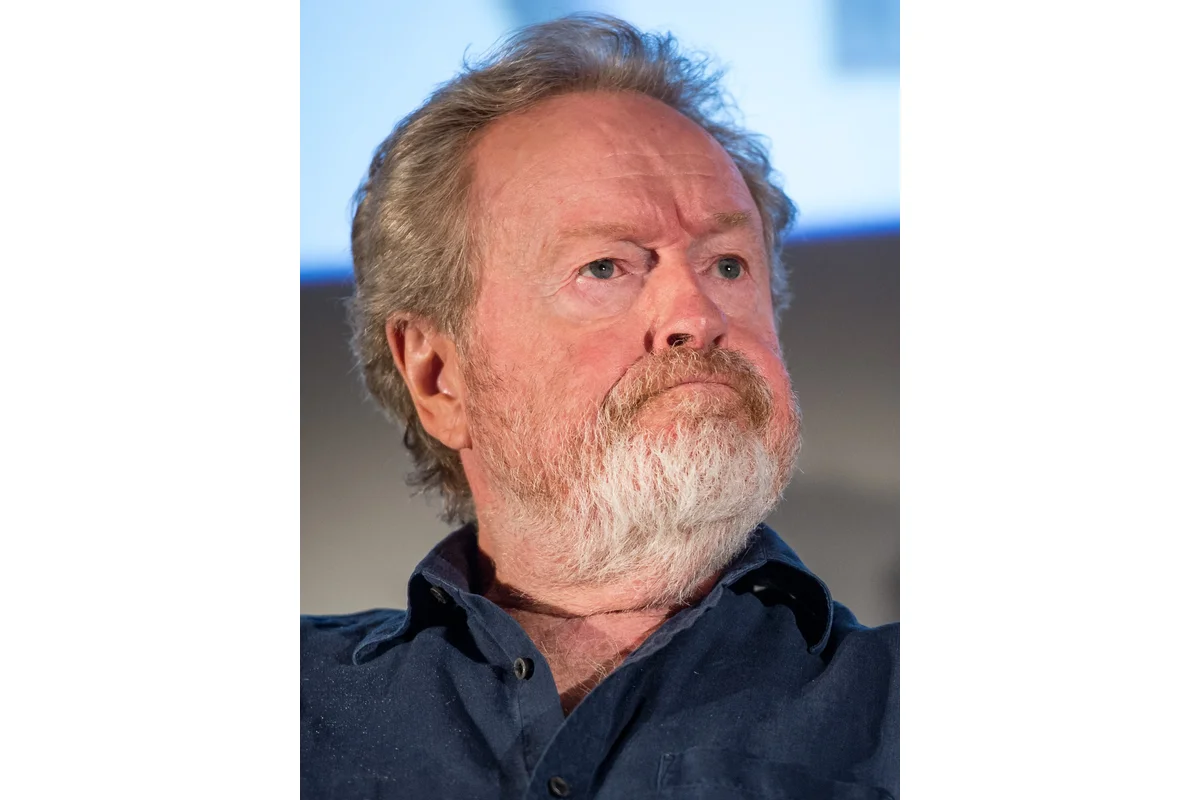
In the same discussion, Scott ventured into commentary about Demi Moore’s recent performance in the 2024 film The Substance, directed by Coralie Fargeat. Sharing his candid take on the director’s execution, he stated:
“Of course. The Substance, from the director’s point of view, is a very good big Kubrickian idea. If you really want me to say what I think, [Coralie Fargeat] kind of lost control of it. That end scene, where they sprayed the room with blood, they simply didn’t know what to do. But I think it was a brave idea about the sickness of facelifts and changing your appearance. Never change your appearance, just stay fit. Because you can always tell. With Demi, we made a very, very good film with G.I. Jane. I think it is the best pro-women film honestly ever made, even better than Thelma & Louise.
Think about what she does. And not only that—the bad guy’s Anne Bancroft, who assumes you’re going to lose. Are you kidding me?”
– Ridley Scott, Director
Scott underscored both the thematic ambition behind The Substance and his respect for Moore’s transformational roles. Nonetheless, he returned repeatedly to G.I. Jane’s central achievement, highlighting the presence of Anne Bancroft as a formidable antagonist—Senator Lillian DeHaven—and the relentless obstacles Moore’s character was forced to confront and overcome.
Thelma & Louise: Ongoing Influence and Accolades
Thelma & Louise remains a gold standard for feminist cinema, with its cultural significance cemented over decades. In 2016, the film was inducted into the National Film Registry by the Library of Congress, recognizing its impact and preservation for future generations. Earlier, in 2006, the American Film Institute ranked it among the 100 most inspiring movies of all time, reflecting its enduring legacy with audiences and critics alike.
Its critical success is demonstrated by six Academy Award nominations, with Scott, Geena Davis, and Susan Sarandon all highlighted for their work. Screenwriter Callie Khouri took home the Oscar for Best Original Screenplay, further validating the film’s narrative power. Today, Thelma & Louise holds an 87% score from critics and 82% from audiences on Rotten Tomatoes, underscoring its ongoing relevance and admiration in the film community.
G.I. Jane: Reception, Character, and Feminist Approach
While Scott champions G.I. Jane as his most pro-female work, its initial reception diverged sharply from that of Thelma & Louise. On Rotten Tomatoes, G.I. Jane scored 55% among critics and 53% with audiences, a more mixed reaction for a film billed as a breakthrough in gender representation. Notably, Demi Moore’s portrayal did not receive major awards recognition—instead, she won the Razzie Award for Worst Actress for her performance as Lieutenant O’Neil.
The narrative in G.I. Jane draws a clear distinction from that of Thelma & Louise. Whereas Davis and Sarandon’s characters rebel against male authority and chart their own path as outlaws, Moore’s O’Neil works painstakingly within the rigid military hierarchy, striving to win the respect of her commander, played by Viggo Mortensen as John James Urgayle. This contrast in character arcs marks a different vision of feminine empowerment and resistance.
Director’s Perspective and Evolving Approach
Scott, known for his forthright opinions, maintains that his sentiments about G.I. Jane result from both the film’s storyline and the professional evolution that followed his earlier work. Reflecting on his directorial journey after Thelma & Louise, Scott said the triumphs and struggles his protagonists face allowed him to develop new methods for depicting female strength and autonomy.
In defending G.I. Jane’s merits, Scott often circles back to the impact made by both Moore’s performance and Anne Bancroft’s role as an adversary. The interplay between O’Neil and Senator Lillian DeHaven creates intense narrative tension and, in Scott’s view, elevates the film’s pro-female messaging.
Looking Ahead: Debates on Feminism in Film
Scott’s comparison of these two celebrated films reignites discussion about what defines successful pro-female storytelling on screen. With Thelma & Louise widely considered a landmark by critics, its longevity and accolades contrast with G.I. Jane’s polarizing reception. Nevertheless, Ridley Scott pro-female movies remain central to debates on feminist representation, as he continues to advocate for the importance of strong women in leading roles and challenging narratives.
As discussions continue, Scott’s unconventional viewpoint encourages renewed interest in how audiences interpret and evaluate female-centric stories, as well as the director’s own cinematic legacy that stretches from unforgettable road trips to military boot camp and beyond.
