
The recently released CNN documentary
“I’m Chevy Chase and You’re Not”
has drawn heavy criticism from former Saturday Night Live cast and crew, reigniting the Chevy Chase controversy surrounding his alleged mistreatment of colleagues, specifically Terry Sweeney, during his time with the show. The film’s depiction of both Chase’s professional conduct and personal remarks has fueled strong reactions, including direct responses from those he once worked with.
Documentary Release Reopens Longstanding Tensions
CNN’s release of
“I’m Chevy Chase and You’re Not”
has stirred unresolved tensions within the SNL community. Many connected to Saturday Night Live express little interest in revisiting the highs and lows associated with Chase’s tenure, due to the pain and frustration attached to those memories. The most contentious issue centers on Terry Sweeney, who in 1985 made history as SNL’s first openly gay cast member. While Sweeney’s time on the show ended abruptly with Lorne Michaels’ mass firing that year, it was his deeply unpleasant interactions with Chase as a host that cast a particular shadow over the period.
Allegations of Harmful Conduct Emerge
Sweeney recounts that during Chase’s return to host SNL in November 1985, at the peak of Chase’s film career, he inflicted homophobic abuse on Sweeney. Notably, Sweeney claims that Chase went so far as to pitch a sketch mocking the AIDS epidemic, proposing to weigh Sweeney each week to see if he was losing weight as a sign of being affected by the virus. The suggestion deeply unsettled those present and has become emblematic of a pattern of destructive behavior attributed to Chase during his association with the show.
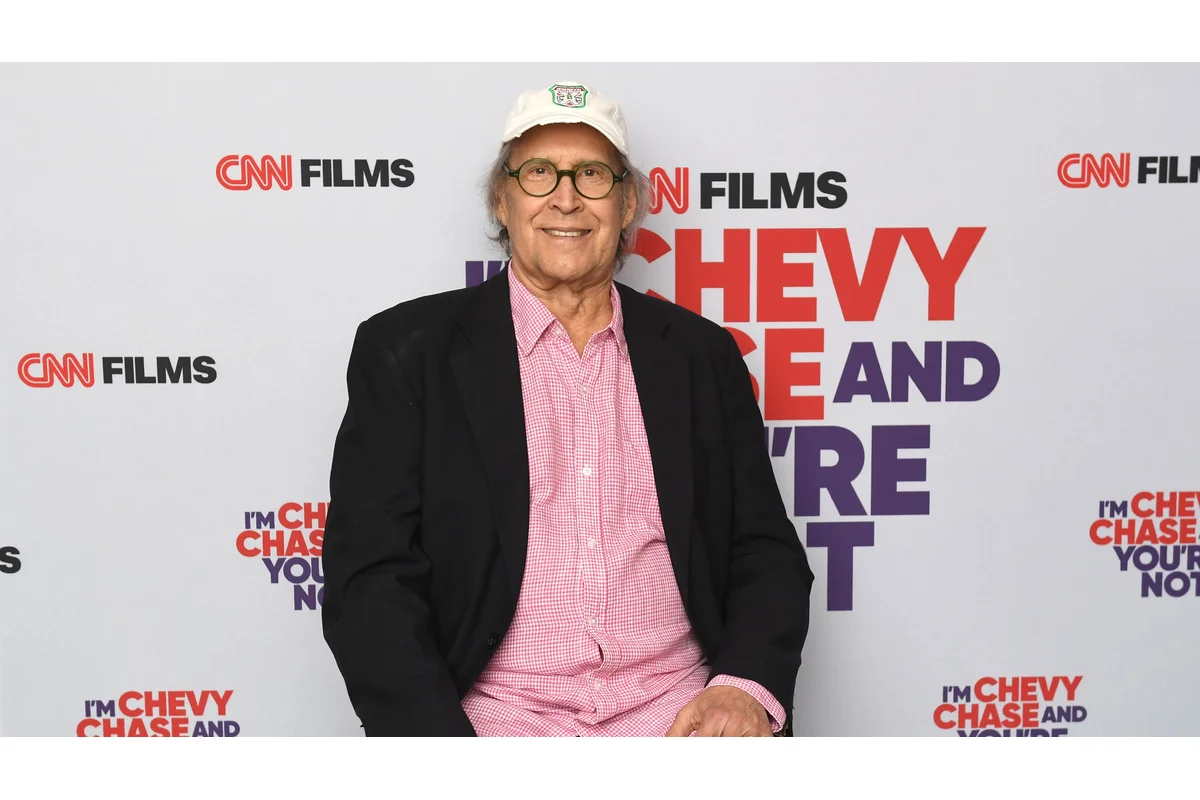
Chevy Chase Responds to Accusations in Documentary
Marina Zenovich, who directed the documentary, questioned Chase about Sweeney’s experiences by referencing recorded allegations and published accounts, notably from Tom Shales and James Andrew Miller’s oral history “Live From New York.” Confronted with his past words and actions, Chase offered complicated and sometimes contradictory responses. He addressed the controversy directly in the film, stating,
Terry Sweeney, he was very funny, this guy. I don’t think he’s alive anymore.
– Chevy Chase, Actor. Contrary to Chase’s remark, Sweeney is both alive and highly aware of the ongoing controversy.
Zenovich recited one of the incidents to Chase during their interview:
You said something to Sweeney like, ‘Oh, you’re the gay guy. Why don’t we ask if you have AIDS. And every week, we weigh you.’
– Marina Zenovich, Filmmaker.
Chase denied wrongdoing with these words:
My memory is that he is lying, is my memory. He’s not telling the truth. That isn’t me. That’s not who I am,
– Chevy Chase, Actor. He further added,
And if I am that way, my life has changed, because I have to live with that now for the rest of my fucking life.
– Chevy Chase, Actor.
Perspectives From Within SNL
Lorne Michaels, SNL’s long-time producer, gave his interpretation of the conflict:
I think Chevy was just being Chevy. He would say things that were funny, and he would assume you were comedy people, and he could speak that way. You know, we would say terrible things, because that’s what would make us laugh.
– Lorne Michaels, SNL Producer. Michaels’ comments indicate a broader culture on set in which boundaries were often disregarded under the guise of comedy, though this culture clearly did not shield all participants from harm.
Terry Sweeney’s Response and Ongoing Feelings
Sweeney, still alive and vocally upset, responded to the documentary and to Chase’s recent public statements, telling The Hollywood Reporter,
Don’t you think he is saying this and making himself look more like the ass he is!!!
– Terry Sweeney, Comedian. Sweeney further commented on the fallout from Chase’s actions, stating,
It all reflects rightly horribly on him!
– Terry Sweeney, Comedian. Addressing the documentary’s coverage of Chase’s personal hardships, Sweeney remarked,
Boohoo … poor screwed up kid … so THAT’s why he’s so rotten!!!!!!!
– Terry Sweeney, Comedian.
Wider Ramifications for SNL and Comedy’s Legacy
The Chevy Chase controversy, now revisited through the lens of the CNN documentary, highlights ongoing cultural debates around accountability and behavior in comedy institutions like Saturday Night Live. The events described by Sweeney and others resonate with longstanding criticisms that Chase repeatedly crossed professional boundaries and contributed to an environment of harm, as documented by individuals like James Andrew Miller and Tom Shales. Despite Chase’s denial and Lorne Michaels’ defense of comedic license, the public dialogue now focuses more closely on respecting individual dignity and addressing incidents of workplace mistreatment, both past and present.
The impact of these revelations may continue influencing how future projects and retrospectives approach the complicated history of SNL, particularly as audiences and former collaborators scrutinize the actions and accountability of influential figures such as Chevy Chase. The legacy of these events shapes not only public opinions of Chase but also the broader conversation on respect and responsibility within the entertainment industry.
