
Clint Eastwood, who would later become a celebrated director, was eager to get behind the camera during his years on Rawhide, but network rules kept him from directing any episodes of the landmark Western. The missed Clint Eastwood Rawhide directing opportunity reveals how early obstacles shaped his eventual acclaimed filmmaking career and altered the trajectory of one of Hollywood’s most prolific talents.
Eastwood’s Early Years on Rawhide and Directorial Ambitions
Before transforming into the iconic Man With No Name in film, Clint Eastwood spent eight seasons as Rowdy Yates, working alongside Eric Fleming on Rawhide between 1959 and 1965. The CBS series featured Eastwood driving cattle across the American frontier and solidified his place on television, but it never offered him a true shot at directing. Despite Eastwood’s growing stature as a leading man and his evident passion for film direction, he was left on the sidelines—and none of the 217 episodes bears his directorial mark.
During these early years, Eastwood’s interest in directing began to take root. According to the book by Robert E. Kapsis and Kathie Coblentz titled Clint Eastwood: Interviews, Eastwood found inspiration and motivation in the midst of the show’s large-scale production scenes.
“We were shooting a stampede on location, three thousand head of cattle, and I was riding right in the middle of it, dust flying, really dramatic looking,”
he explained. In seeing potential for more impactful shots, he communicated his vision.
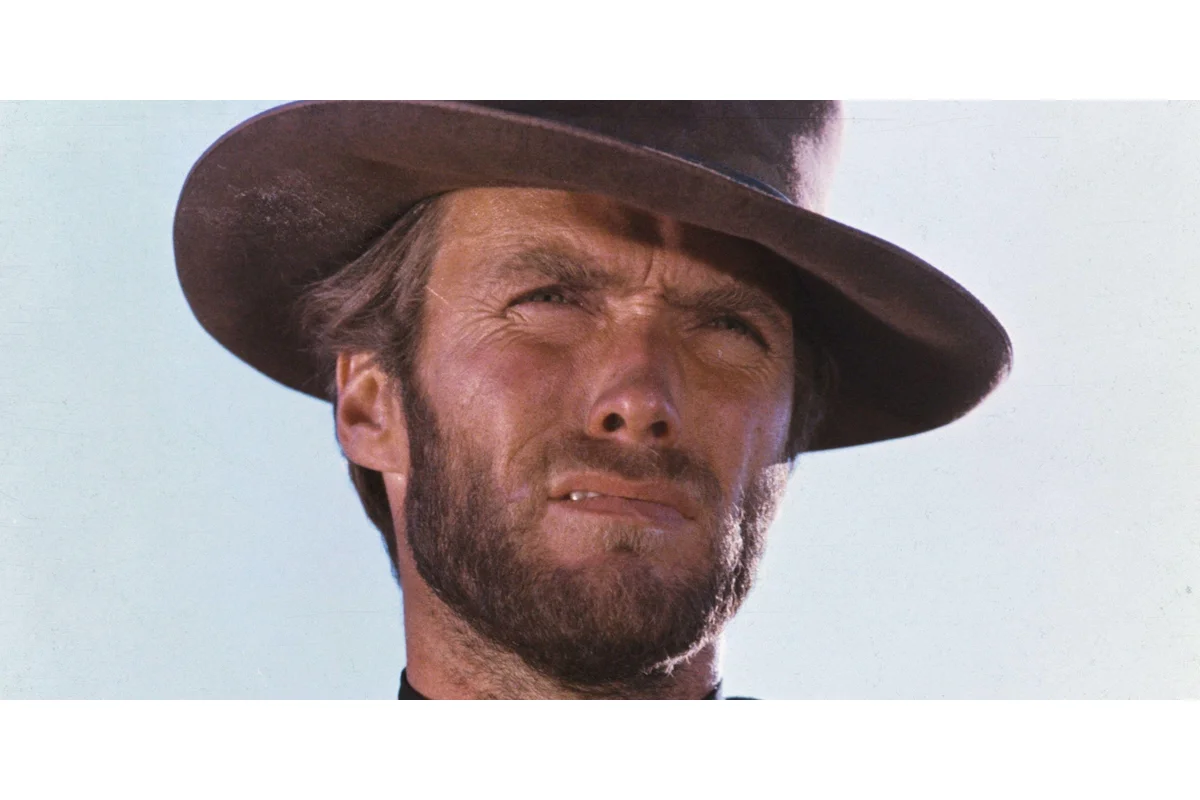
“I went to the director and said, ‘Look, give me a camera. There’s some great stuff in there that you’re not getting because you’re way out here on the periphery,’”
Eastwood recounted.
At a time when Eastwood was already cultivating directorial ambition, this desire was repeatedly shut down.
“As usual, everybody’s afraid to try something new,”
he commented after being told he could not touch a camera due to union protocol on set. Despite his persistence, he was denied—only later allowed to direct promotional trailers but never a full episode.
Barriers and the Frustration Over Missed Opportunities
The conversation with CBS would eventually lead to Eastwood being granted permission to direct a series of Rawhide commercials, but his enthusiasm quickly faded.
“I was so disappointed with the whole damn thing that I let it drop,”
he admitted. His disappointment stemmed from broken assurances.
“My contract with CBS even provided that I would direct several episodes of the series,”
Eastwood admitted in another interview. However, shifting policies at CBS due to problems with actor-directors exceeding budgets on other series meant the network abruptly changed direction.
“But after they had some trouble on other series where some actor-directors went over their budgets, CBS changed policies from one day to the next,”
he stated.
Eastwood’s frustration was compounded by the network’s reversal. While he fulfilled his own end by producing the promotional material, Eastwood was never given authority over an actual episode. This hesitancy from CBS, stemming partly from fears that actor-directors would overstep or inflate costs, prevented Eastwood from stepping into a directorial role at a key juncture in his career, a tradition that has since become common for television stars.
Support From Colleagues and European Directorial Inspiration
Clint Eastwood did not lack support within the Rawhide cast. In another exchange chronicled by Kapsis and Coblentz, Eastwood recalled a conversation with his co-star and Rawhide’s nominal leading man, Eric Fleming.
“Finally, later on, I asked Eric Fleming, ‘Would you be adverse to my directing?’ He said, ‘Not at all, I’d be for it,’”
Eastwood revealed. As longtime creative partners on the show, their mutual respect made the situation even more complex, suggesting that internal cast dynamics were not the obstacle; rather, network decisions were the real barrier.
Rejection by the network led to Eastwood’s temporary disinterest in directing, but a new opportunity abroad reignited his passion. The chance to work with Sergio Leone on A Fistful of Dollars, after Eric Fleming reportedly turned down the role, provided Eastwood with creative agency otherwise missing from his television experience. On the Italian set, Eastwood contributed actively to the shaping of his now-legendary Man With No Name persona, influencing dialogue and character nuance.
“Working on the European scene sort of inspired me to get back into directing,”
Eastwood said.
The Lost Rawhide Moment and The Launch of a Major Directorial Career
Despite being denied the opportunity to direct on Rawhide, Clint Eastwood soon established himself as a formidable director. Following his breakthrough in Leone’s Dollars Trilogy, Eastwood’s behind-the-camera career took off. He debuted as a director with Play Misty For Me in 1971 and quickly accumulated an impressive list of credits, including genre-defining films like Dirty Harry, High Plains Drifter, and The Outlaw Josey Wales. His directorial portfolio would eventually span more than forty films.
The irony remains that the moment which could have launched Eastwood’s directorial journey was blocked by the network, whose caution cost Rawhide the distinction of featuring his first directorial effort. If CBS executives had trusted the emerging talent within their own ranks, television history might have looked quite different.
In retrospect, the experience on Rawhide planted the seeds for what would become a celebrated film directing career. While Eastwood was unable to direct his television breakout series, those early setbacks and brief experiences behind the camera strengthened his resolve. What began as a desire sparked among cattle riders on the wild frontier grew into an indisputable mastery of movie storytelling.
“I was so disappointed with the whole damn thing that I let it drop,”
Eastwood had said of his experience, yet he went on to direct and sometimes star in numerous acclaimed productions that have since shaped the Western genre and Hollywood itself.
Rawhide, where Eastwood once played Rowdy Yates opposite figures like Eric Fleming and Paul Brinegar, thus remains a turning point in the actor’s transformation into a worldwide filmmaking powerhouse. Though producers, CBS, and risk-averse policies stood in the way, support from actors like Fleming and inspiration from European cinematic partnerships like that with Sergio Leone ultimately set Eastwood on a storied directorial path. The missed Clint Eastwood Rawhide directing opportunity remains a reminder of creative potential sometimes constrained by industry caution—but also of how persistence and vision can ultimately find their own trail.
