
The Chevy Chase Community controversy, rekindled by CNN’s new documentary
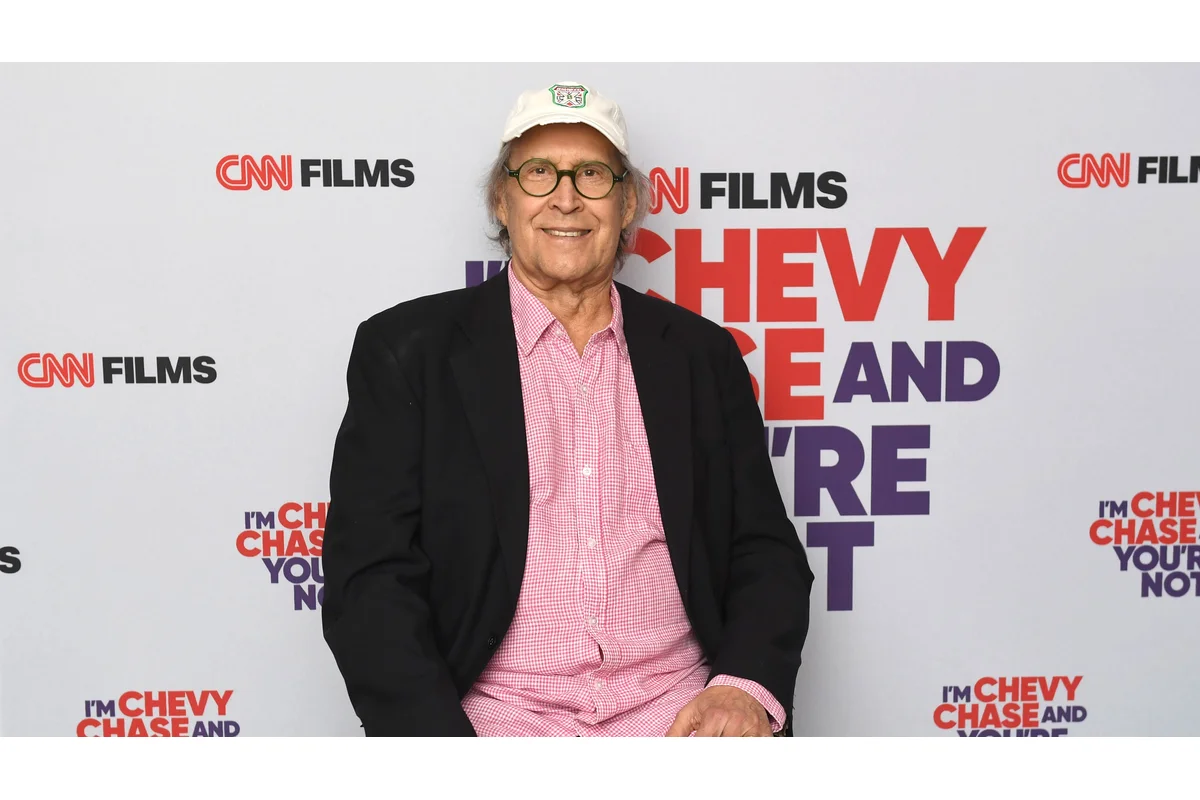
“I’m Chevy Chase and You’re Not,”
delves into the tangled and emotional events leading to Chase’s contentious exit from the NBC show “Community” in 2012. The documentary explores the heated creative differences, on-set incidents, and the lasting impact they had on cast, crew, and the sitcom’s legacy.
Rising Tensions on the Set of Community
When “Community” began, Dan Harmon, the show’s creator, cast Chevy Chase as Pierce Hawthorne, a grumpy but memorable student at the fictional Greendale Community College. Despite the fresh opportunity to engage a new generation with his comedy, reports of an uneasy working environment surfaced quickly, pointing to mounting clashes between Chase and Harmon. By the third season, Chase was said to be at odds with both his character’s trajectory and the sitcom’s direction, culminating in his walking off the set during the season’s finale filming.
He did, however, return for the season’s wrap party, bringing along his wife Jayni Chase and daughter Caley. At this event, Harmon’s anger reportedly boiled over on stage, prompting him to allegedly ask those present to chant insults at Chase as he entered with his family. Caley later reflected on this, remembering it as a “rough and mean” experience for them. Such public displays of animosity contributed to the increasingly volatile atmosphere on set, laying the groundwork for further discord.
Acrimony Peaks Between Chevy Chase and Dan Harmon
Chevy Chase responded to the wrap party incident with a voicemail to Harmon, in which he expressed his deep grievances with the production and Harmon’s leadership. The feud escalated when Harmon, according to reports, played the angry message at one of his “Harmontown” comedy events, which soon made its way into the media. In the voicemail, Chase leveled harsh criticism at both the show and Harmon personally, raising the stakes of their dispute.
During this period, Chase commented,
It was the right thing to say at the time,
—Chevy Chase, Actor.
Soon after, NBC removed Harmon from his role as showrunner, with Sony Pictures Television confirming his replacement. Harmon’s own reaction was communicated publicly, writing,
A few hours ago, I landed in Los Angeles, turned on my phone, and confirmed what you already know. Sony Pictures Television is replacing me as show runner on Community,
—Dan Harmon, Community Creator.
Why’d Sony want me gone? I can’t answer that because I’ve been in as much contact with them as you have. They literally haven’t called me since the season four pickup, so their reasons for replacing me are clearly none of my business.
—Dan Harmon, Community Creator.
Controversy Intensifies Before Chase’s Departure
Even after Harmon’s removal, tensions persisted with his replacements, David Guarascio and Moses Port. The situation worsened during the filming of “Advanced Documentary Filmmaking” in season four, with Chase reportedly objecting to elements of his character that he found offensive. Notably, during a heated moment, Chase allegedly used a racial slur in the presence of African-American cast members Yvette Nicole Brown and Donald Glover, sparking further outrage and media scrutiny. Although Chase later apologized and director Jay Chandrasekhar clarified the slur was not directed at anyone, the damage had been done. Chandrasekhar later explained,
He wasn’t calling anybody the n-word,
—Jay Chandrasekhar, Community Director.
He was saying, ‘You guys are making me out to be a racist, and that’s not something I want.’ And in so doing, he used the n-word, and unfortunately that word is so charged that there were, in my opinion, misunderstandings in the press, and then it blew up into something that, in that case, shouldn’t have. Now, he’s had other issues in the past with the cast, and that’s separate. In this one case, Chevy was not guilty.
—Jay Chandrasekhar, Community Director.
By November 2012, both NBC and Chase agreed to his immediate departure. His character Pierce was written out through an off-screen death, though Chase briefly returned for a cameo at the start of season five after Harmon resumed his showrunner role.
Chevy Chase’s Reflections on “Community” and His Career
Following his departure, Chase spoke candidly about his decision to leave “Community.” To HuffPost UK, he described returning to the show after his conflict with Harmon as a regret, stating,
I just sort of hung around because I have three daughters and a wife, and I figured out I might as well make some bread, every week, so I can take care of them in the way they want … The hours are hideous, and it’s still a sitcom on television, which is probably the lowest form of television.
—Chevy Chase, Actor.
Several years later, on Marc Maron’s “WTF” podcast, Chase explained his artistic frustrations, admitting,
I felt a little bit constrained … Everyone had their bits and stuff,
—Chevy Chase, Actor.
I thought they were all good, but it just wasn’t hard-hitting enough for me.
—Chevy Chase, Actor.
Maron pressed him about the rumors of discord with fellow cast members, to which Chase replied,
I felt happier being alone, in a sense … I just didn’t want to be surrounded by that table every day with those people. It was too much.
—Chevy Chase, Actor.
Regarding his relationship with Dan Harmon post-“Community,” Chase described their dynamic as,
[Harmon is] kind of a pisser. He was angry. He called and said he was sorry. I love him now.
—Chevy Chase, Actor.
Reactions from the Cast and Creative Team
The wounds from the Chevy Chase Community controversy remained raw among those involved, making participation in reflective projects difficult. For the CNN documentary, director Marina Zenovich explained,
I ran into Dan Harmon at a screening of Deaf President Now! and I got his number. I was so excited. I thought it was going to happen, but then he declined. I was so lucky to get Jay Chandrasekhar. He has such an amazing delivery, and he was willing to go there. If Jay had said no, I would have been screwed.
—Marina Zenovich, Director.
When discussion of Chase’s exit resurfaced online in late 2025, Yvette Nicole Brown addressed the situation on Instagram, asserting her approach to controversy:
Do your own work so you don’t become labor for others.’ That is my motto,
—Yvette Nicole Brown, Actress.
Beyond that truth, if I have something to say, I have NO problem saying it. I’ve never had a problem speaking up and out with my whole chest when it is warranted or when I think it will change a wayward mind or some truly disgusting behavior. When I choose NOT to speak on something, it’s usually because it won’t change a thing and more importantly because it’s most likely tawdry, low-vibrational or dumb and therefore BENEATH me.
—Yvette Nicole Brown, Actress.
Donald Glover, reflecting on the conflict years earlier, told The New Yorker,
A true artist has to be OK with his reign being over,
—Donald Glover, Actor.
I can’t help him if he’s thrashing in the water. But I know there’s a human in there somewhere — he’s almost too human.
—Donald Glover, Actor.
Chase expressed his reaction to Glover’s remarks, saying,
saddened to hear that Donald perceived me in that light.
—Chevy Chase, Actor.
During a 2013 interview on Larry King Now, Joel McHale commented,
He said in every interview that he doesn’t like the writing and he doesn’t like the hours,
—Joel McHale, Actor.
He was really funny on the show … I got along with him very well.
—Joel McHale, Actor.
The Ongoing Impact of the Community Dispute
The Chevy Chase Community controversy spotlights not only the intense personalities involved but also broader issues about workplace dynamics and creative conflict in television. The fallout affected not only the immediate cast and crew—including names like Donald Glover, Yvette Nicole Brown, Joel McHale, and Jay Chandrasekhar—but became a defining chapter in TV history discussed across platforms and in documentaries, such as the recent CNN exploration. As the story continues to resurface, its legacy serves as a cautionary tale regarding professional relationships, the boundaries of humor, and the consequences of unresolved conflict in collaborative creative endeavors.
