
Ryan Coogler sci-fi television reboot is set to breathe new life into a genre that has lost some of its core appeal in recent years. The return of The X-Files under Coogler’s direction seeks to restore the beloved structure of episodic mysteries while reflecting on issues like surveillance and secrecy that are even more prominent now than when the original aired.
Reimagining The X-Files While Honoring Its Foundations
The X-Files, created by Chris Carter, originally broke ground in the 1990s by combining government intrigue, science fiction, and horror. Its distinctive “Monster of the Week” episodes let audiences encounter new threats and explore a variety of fears each week, all while building a deeper uncertainty about truth and power. This format relied on trust in the audience, as many story arcs left key questions unanswered—a hallmark that kept viewers engaged and coming back.
Ryan Coogler aims to preserve this episodic, investigative format in the reboot. He has confirmed his commitment to keeping the core elements that made the original series stand out: a skeptical investigative approach and a hauntingly atmospheric style. With these pillars in place, the new series is positioned to both honor its roots and tackle current cultural anxieties around authority and secrecy.
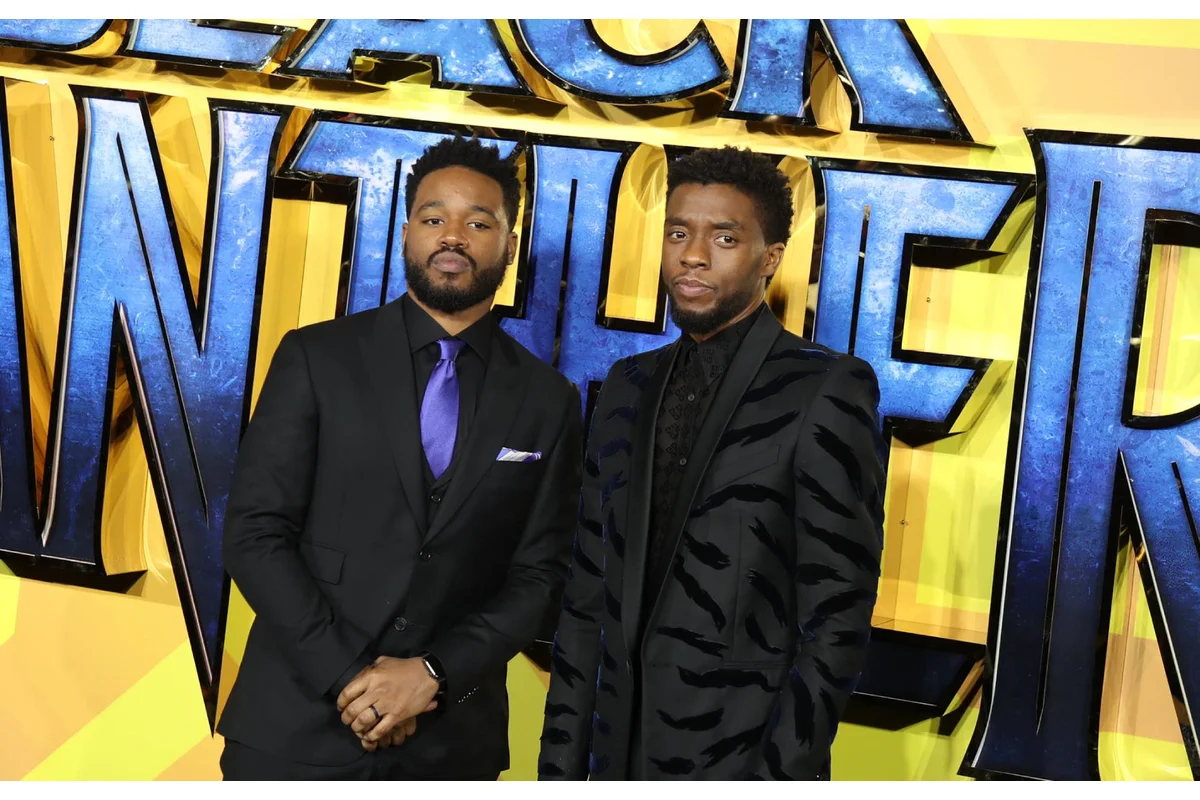
If Coogler delivers on this vision, The X-Files could remind modern audiences why episodic mysteries once held such emotional weight and made the Monster of the Week trope so vital to sci-fi television.
The Shift Away from Episodic Sci-Fi: Streaming’s Impact
For many years, genre shows like Buffy the Vampire Slayer and Supernatural revolved around self-contained episodes, allowing for creative and thematic flexibility. However, the advent of streaming platforms changed the landscape. Modern dramatically serial sci-fi series increasingly prioritize season-long story arcs and extended binge-watching experiences. This shift has pushed traditional one-off mysteries and tonal variety aside.
Current series, such as Wednesday, From, or even later seasons of Fringe, showcase monsters and supernatural threats, but these are now woven into larger, often convoluted myths rather than serving as the centerpiece of a single episode. While deeper lore has enriched fictional universes, it has made most series less accessible and reduced the opportunity for creative risks and experimentation. Writers now face pressure to advance an overarching arc with every episode, discouraging the kind of narrative detours that once defined much of sci-fi television’s charm.
Embracing Episodic Storytelling: What Coogler’s Reboot Could Restore
A modern show that prioritizes stand-alone stories can rejuvenate sci-fi TV and expand its reach. Individual weekly mysteries allow creators and writers to try new ideas without being tethered to a singular plotline. This format not only fosters creative risk-taking but also ensures the series remains approachable—new or occasional viewers can jump in at almost any episode and still be drawn into the story.
Coogler stresses that his X-Files reboot will remain faithful to this approach, emphasizing questions over definitive answers and inviting audiences to constantly reassess what they see. In times marked by widespread uncertainty and shifting perspectives on evidence and power, a renewed emphasis on investigation rather than resolution could resonate strongly with contemporary viewers.
Rather than relying purely on nostalgia, this new iteration positions itself as a critical entry point for future sci-fi television, focusing on relevance and accessibility while retaining the investigative spirit that defined the original. The X-Files was never about resolving every mystery—it was about shining a light on who holds power, how evidence is interpreted, and challenging steadfast beliefs. In that way, Ryan Coogler’s reboot has the potential to make investigation-centric storytelling a fixture of mainstream television once again.
Legacy of The X-Files: Cast and Continuing Influence
The original series featured memorable performances by David Duchovny as Fox Mulder and Gillian Anderson as Dana Scully, characters who became synonymous with the genre. Their dynamic helped cement The X-Files as essential viewing for those interested in government skepticism and the pursuit of hidden truths. As the new series emerges, it will be measured against this legacy, both in casting decisions and the depth of its storytelling.
By choosing to preserve the themes and structural strengths that once made The X-Files groundbreaking, the upcoming Ryan Coogler sci-fi television reboot hopes to influence a new generation of viewers, strengthen the appeal of investigative sci-fi formats, and remind both creators and audiences of the value in confronting the unknown each week.
