
Ridley Scott Prime Video series The Man in the High Castle continues to captivate and unsettle audiences, years after its 2015 debut and 2019 conclusion, with its chilling look at an alternate America. The show, produced by Scott Free Productions and executive produced by Scott himself, posed a haunting question: what if the Axis powers had triumphed in World War II and divided the United States between their forces?
An Alternate Reality Shaped by the Axis Victory
The Man in the High Castle, based on Philip K. Dick’s 1962 novel, explores a dystopian version of the United States, split into three territories after a fictional WWII outcome favoring the Japanese and Nazi forces. Through bold themes of authoritarianism, identity, and resistance, the series offers commentary that remains relevant, particularly given today’s complex global and political climate.
Alexa Davalos, Rupert Evans, Luke Kleintank, DJ Qualls, Joel de la Fuente, Cary-Hiroyuki Tagawa, and Rufus Sewell headline the cast, delivering intense performances that bring the characters to life. Set against a backdrop where society is sharply divided, the show introduces a mysterious hope: reels of film that appear to show an alternative world. One woman, determined to unlock their secrets, believes these films may hold the key to overturning oppression.
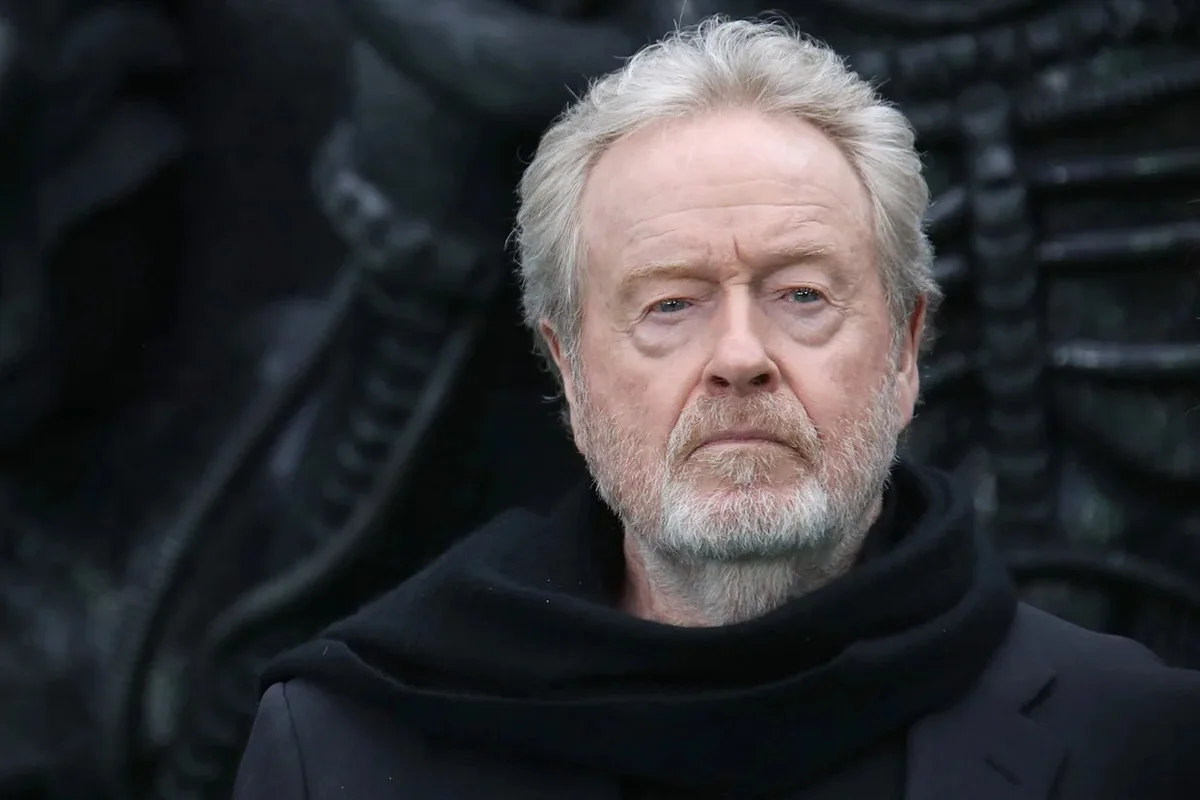
“Loosely based Philip K. Dick’s novel of the same name, The Man in the High Castle takes a look at what the world might look like had the outcome of World War II turned out differently. In this dystopian scenario, the Axis powers won the war, leading to the United States being divided into three parts, an area controlled by the Japanese, a Nazi-controlled section, and a buffer zone between the two. Despite the oppression, a new hope emerges when films turn up that seem to show a different world. A woman believes the films contain the key to freedom and is determined to find their mysterious guardian.”
As the narrative unfolds, the central characters—portrayed by a diverse cast including Luke Kleintank and Rufus Sewell—navigate a world engulfed by totalitarian rule. Joel de la Fuente and Cary-Hiroyuki Tagawa add depth to the depiction of life under both Japanese and Nazi regimes. Resistance brews quietly, and the tension is amplified by the desperate hope these mysterious films inspire among the oppressed citizens.
Prime Video’s Gamble on Prestige Drama
The Man in the High Castle premiered during a transformative era for streaming platforms. With Netflix already seeing major success with original hits like House of Cards and Orange is the New Black, Prime Video made a high-stakes move by investing in this ambitious project. The first two seasons alone cost the platform $179 million, a significant commitment at the time, demonstrating faith in the story’s potential and Ridley Scott’s track record.
This bold investment paid dividends. The Man in the High Castle quickly found success, attracting critical acclaim and earning its place alongside high-caliber prestige television. Critics highlighted its complex narrative and haunting atmosphere, while the series achieved a notable 84 percent rating on Rotten Tomatoes and a 79 percent score on Popcornmeter.
“For those of you who may be thinking that the whole second (or third) Golden Age of TV thing ended with the finales of Breaking Bad and Mad Men, brace yourselves for The Man in the High Castle.”
Bill Brioux, critic
The show’s visual excellence stood out, garnering Creative Arts Emmys for Outstanding Cinematography and Outstanding Main Title Design. Audiences and critics alike noted its blend of thrilling alternate history with carefully crafted performances and stunning production values, all underscoring its emotional intensity and the ever-present sense of peril.
Award-Winning Cast Brings the Dystopia to Life
A significant draw of The Man in the High Castle lies in its ensemble cast, each actor portraying their roles with a commitment that heightens the show’s emotional impact. Alexa Davalos leads as the series’ determined protagonist, supported by Rupert Evans and DJ Qualls in roles that exemplify everyday resilience amid systematic oppression. Rufus Sewell, Luke Kleintank, Joel de la Fuente, and Cary-Hiroyuki Tagawa all deliver performances that ground the alternate reality in complex humanity.
Ridley Scott, serving as executive producer, applied methods honed in large-scale productions such as Gladiator and Alien, bringing cinematic gravitas to the series’ world-building and storytelling. The show’s creative team, through Scott Free Productions, maintained a delicate balance between thought-provoking themes and dramatic suspense, supported by strong performances from the lead and supporting cast.
Even years after its finale, The Man in the High Castle remains a touchstone for discussions on freedom, identity, and state control, with echoes of its fictional scenario reflected in ongoing debates about authority and resistance across the globe.
Enduring Relevance and Continued Influence
The Man in the High Castle concluded after a successful four-season run on November 15, 2019, cementing its place in the streaming era’s canon of must-watch series. The show’s legacy is evident in its lasting resonance with audiences and critics, who continue to revisit its alternate reality in relation to current events and societal concerns.
Prime Video’s investment in this Ridley Scott Prime Video series set a high bar for future original productions. The Man in the High Castle’s award-winning storytelling, production quality, and ensemble cast have left an enduring impact on science fiction and alternate history genres. For those who have yet to experience its unsettling vision, the series remains available on Prime Video, ready to provoke new discussions and reflections on the meaning of freedom in a fractured world.
