
Jacob Elordi Elvis performance in Sofia Coppola’s “Priscilla” has generated significant discussion, with many critics and audiences comparing it to Austin Butler’s portrayal of Elvis Presley in Baz Luhrmann’s “Elvis.” While Butler’s energetic depiction grabbed attention when his film debuted, Elordi’s nuanced and restrained approach, seen through a different lens, has recently sparked renewed appreciation.
Both actors faced the challenging task of embodying the King of Rock in major films, but their interpretations presented very different sides of the music legend. Austin Butler became synonymous with high style and showmanship, taking the bigger stage in Luhrmann’s visually spectacular film. In contrast, Elordi’s performance, set in Coppola’s more intimate narrative, used subtlety to highlight the musician’s complexities and vulnerability. Their portrayals have shaped the ongoing conversation about which approach best captures the essence of Elvis Presley.
Sofia Coppola Reinvents the Elvis Story with a New Focus
Sofia Coppola’s work, including “Priscilla,” has often been the subject of heated debates among critics and viewers. Some have dismissed her movies for being preoccupied with privileged lives, but deeper examination reveals how they explore complex emotions beneath glamorous surfaces. This style is evident in “Priscilla,” which not only introduced audiences to Cailee Spaeny’s performance as Elvis’s wife but also confirmed Jacob Elordi as a compelling actor capable of intense emotional depth.
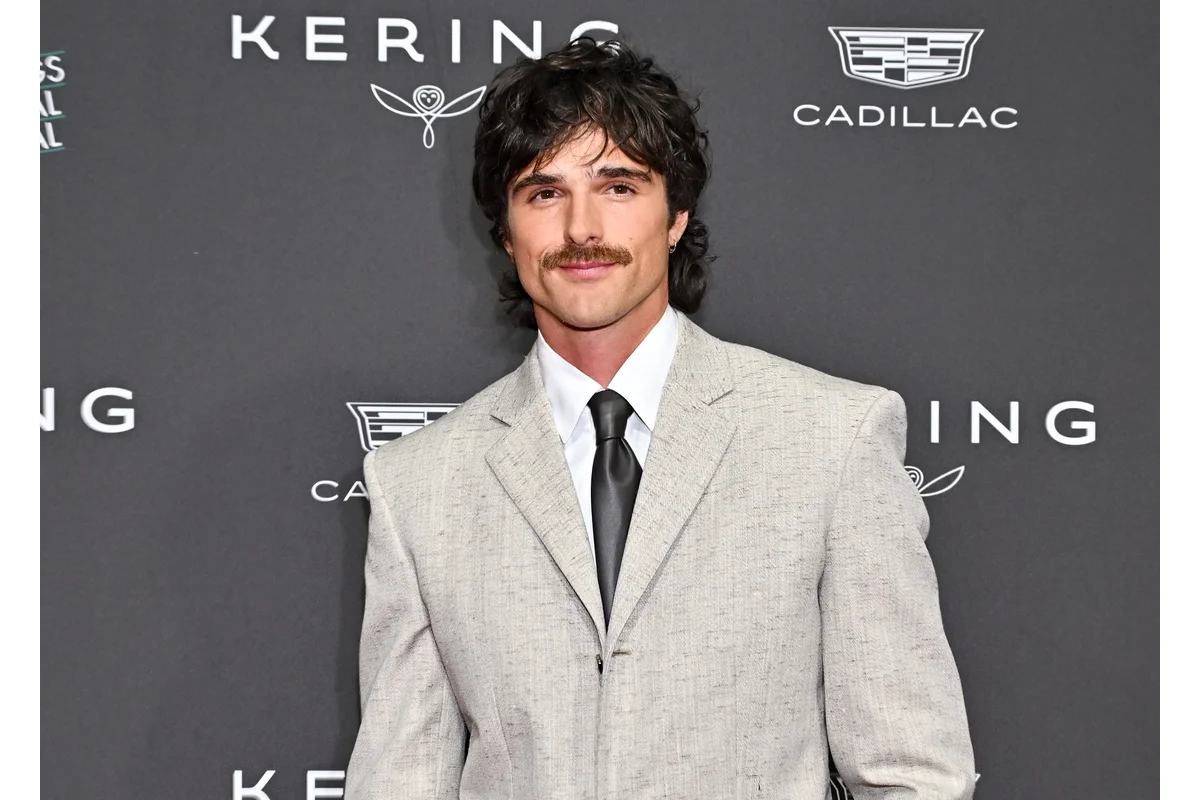
Fresh from roles in “Frankenstein” and with major projects like the third season of “Euphoria” and a new adaptation of “Wuthering Heights” on the horizon, Jacob Elordi’s rise has been remarkable. Much of this momentum can be traced to his portrayal of Elvis Presley in “Priscilla,” which arrived in 2023. Drawing from Priscilla Presley’s memoir, “Elvis and Me,” the film shifts focus to Priscilla’s experiences, offering a new perspective on the famous marriage and challenging conventional depictions of Elvis.
Coppola is sometimes criticized for presenting wealthy lifestyles in her films. However, her approach is more analytical than indulgent—questioning the reality behind public glamour. Within Graceland, Elvis and Priscilla’s marriage is revealed to be more isolated and troubled than many realize, with both struggling for agency amidst the trappings of immense fame. The film uses these private moments to expose the pressures and hidden struggles inside the Presley household.
Jacob Elordi’s Approach: Revealing Elvis’s Hidden Vulnerabilities
In “Priscilla,” Jacob Elordi introduces viewers to a unique version of Elvis Presley, first appearing as an effortlessly charming figure while courting Priscilla. As the story progresses, however, this confident exterior starts to fade, exposing a more hesitant, emotionally guarded man. A memorable moment is when Elvis asks Priscilla’s father for permission to date her; Elordi’s portrayal channels the nervousness of a teenager, making the superstar surprisingly relatable.
Coppola’s storytelling deliberately sidesteps traditional iconography, encouraging audiences to see Elvis not just as a legend but as a complicated individual. This stands in stark contrast to Austin Butler’s performance, which is marked by faithful imitation—every gesture and vocal tic painstakingly crafted to match archival footage, resulting in a vibrant but ultimately familiar interpretation. Butler’s dedication to method acting transformed him physically and vocally, delivering a crowd-pleasing but conventional portrayal.
Elordi’s Elvis, by comparison, is defined by his inner life. The film’s focus on domestic scenes shifts attention away from public spectacle to the quieter, more opaque parts of Elvis’s life—his discomfort, his distance, and his insecurities. Priscilla perceives Elvis’s fame as both a burden and a barrier, and Elordi’s physical stature contrasts with Spaeny’s vulnerable presence, visually emphasizing power imbalances and emotional disconnect within the relationship.
What makes Jacob Elordi Elvis performance particularly distinctive is its subtlety. He presents the star as flawed—sometimes selfish, sometimes immature, and even childish at moments—which invites audiences to reconsider popular narratives around cultural icons, especially those who wielded tremendous power. Despite these flaws, Elordi’s take brings a measure of understanding and empathy to the role, in stark opposition to the larger-than-life heroism on display in “Elvis.” Sofia Coppola’s personal background, as the daughter of legendary filmmaker Francis Ford Coppola, influences her capacity to explore the isolating side of fame, and her script gives equal attention to the struggles and humanity of both Elvis and Priscilla Presley.
New Interpretations and the Future of Elvis on Screen
While Butler’s bold performance in Baz Luhrmann’s movie captured the excitement and spectacle of Elvis in the limelight, Elordi’s work in “Priscilla” opens a dialogue about the often unseen emotional costs of stardom. Set against the backdrop of 20th-century American history, the two films provide audiences with contrasting views of one of music’s most influential figures. Coppola’s movie, now available for streaming on Netflix in the U.S., continues to draw attention for its delicate and introspective storytelling.
Jacob Elordi’s recent acclaim suggests that his role as Elvis Presley may mark a turning point in his career, further propelled by upcoming projects and potential accolades. The focus on his deeply felt portrayal has encouraged a wider reassessment of how Hollywood approaches biographical films about complicated celebrities, including those with challenging personal histories.
By delivering a layered and emotionally resonant performance, Jacob Elordi demonstrates that reinvention—even of the most iconic subjects—remains vital in film. As discussion grows and more viewers reevaluate the merits of both “Priscilla” and “Elvis,” future portrayals of famous figures like Elvis Presley may shift even further toward nuanced, empathetic storytelling that goes beyond surface impressions.
