
Ryan Reynolds‘ early acting career almost concluded before it truly began, as his time on the Canadian teen drama “Fifteen” in the early 1990s led him to temporarily step away from the profession. This key period at Hillside School not only shaped Reynolds’ approach to acting but also highlighted the emotional challenges young actors can face early in their journeys.
Ryan Reynolds Portrayed Billy Simpson on a Pioneering High School Drama
In the early 1990s, teen dramas had become a central part of television, and Canada contributed with its own series, “Hillside,” recognizable in the United States as “Fifteen.” The show, which aired from 1991 to 1993, painted a vivid picture of adolescence, focusing on classic growing pains and the delicate balance of schoolwork, friendships, and family life. Characters such as Ashley Frasier, played by Laura Harris, and Matt Walker, played by Todd Talbot, typified the pressures teens often face — from academic expectations to fitting in with the “in” crowd.
Reynolds played Billy Simpson, a fresh-faced and earnest figure whose journey reflected deep familial and social challenges. Surrounding him were a vibrant cast of personalities: the hardworking Ashley, her troubled boyfriend Matt, the scheming Brooke Morgan (Robyn Ross), the loyal sidekick Kelly (Enuka Okuma), and the sensible Jake Desodade (Ken Angel). Together, these characters navigated relationships and hardships inside the fictional Hillside School, offering viewers an intimate look at the complexities of teenage life.
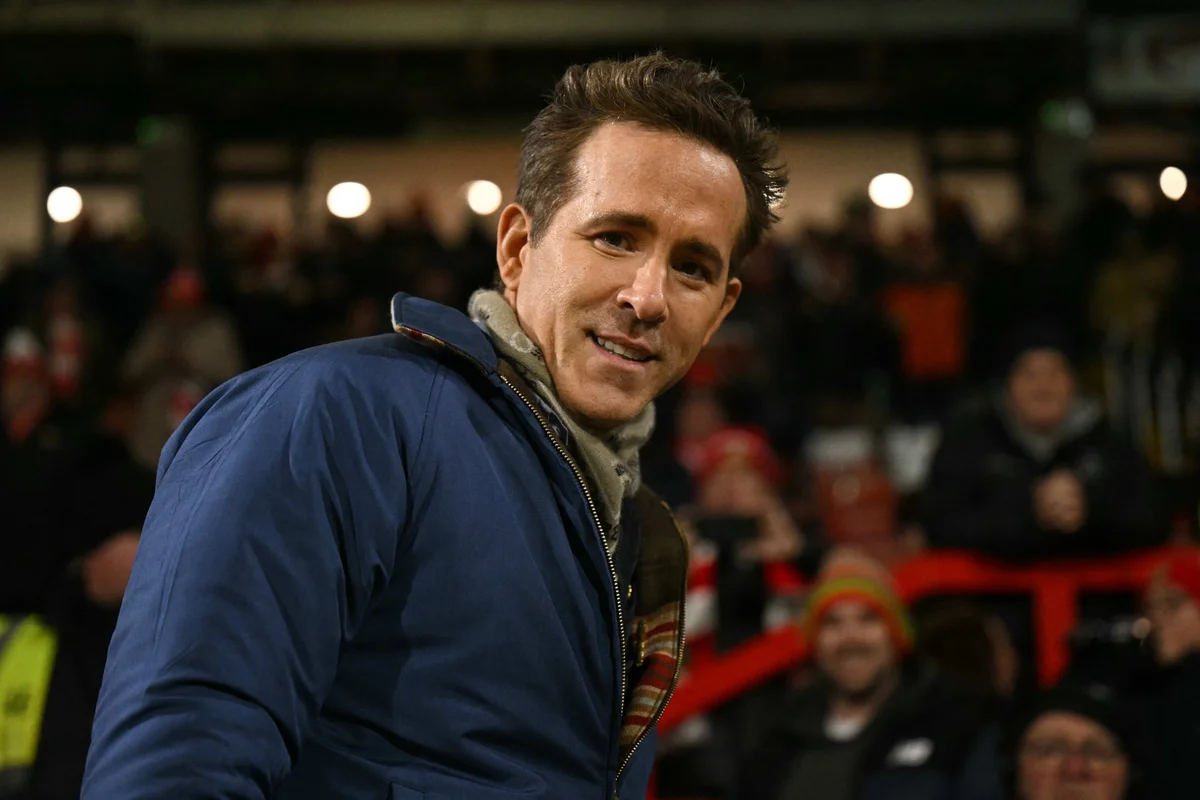
Within this connected circle, Reynolds’ Billy stood out as a sensitive and at times isolated teen, confronting life’s changes while watching friends grapple with their own issues, both personal and academic.
Reynolds’ Role Broke From His Later, Edgier Persona
Audiences familiar with Ryan Reynolds through his sharp, irreverent turn as Deadpool might be surprised by his very different start in “Fifteen.” There, as Billy Simpson, Reynolds delivered a heartfelt performance completely separated from the hard-edged, wisecracking antihero he would later embody. Billy was the younger brother of Courtney Simpson (Sarah Douglas), who herself endured her parents’ painful separation, mirroring many real-life teen experiences.
As his family fractured, Billy watched as his sister found support among their friends, while he himself became increasingly isolated. With Courtney moving in with their mother and Billy staying with their father, themes of separation and loneliness became central to his journey. Through these experiences, Billy represented many teens confronted by upheaval at home and uncertainty about their place in the world.
Despite this difficult period, Billy eventually found a source of comfort and guidance. The rebellious Dylan Blackwell, characterized by Chris William Martin, welcomed Billy into his world, offering camaraderie when it was needed most. Their connection extended beyond friendship; Billy looked up to Dylan, even adopting his style. The pair were joined by Olaf, a Finnish transfer student played by Aubrey Nealon, who also struggled to find acceptance and shared a passion for chess with Billy. These relationships allowed Billy to slowly reconstruct his confidence and sense of belonging, illustrating the importance of friendship amidst adolescent turmoil.
Why Reynolds Ultimately Walked Away from the Spotlight After ‘Fifteen’
The experience of playing Billy gave Ryan Reynolds a glimpse into the emotional toll of onscreen adolescence, which ultimately led him to reconsider his path in acting. Although his performance could be seen as over-the-top by some contemporary viewers, it authentically captured the struggles of a young person maturing through parental divorce and emotional isolation. As a child of separated parents on the show, Billy sought out role models and fought feelings of abandonment, behaviors familiar to many watching at home. However, those emotions also weighed on Reynolds personally as a young performer.
After his time as Billy Simpson ended, Reynolds reported feeling little enthusiasm for acting, associating the job more with the chance to leave his house and make a modest sum — $150 per episode — rather than with any artistic fulfillment. Seeking a change, he left acting, choosing instead to work jobs outside the industry, including time spent in a warehouse and helping launch a restaurant.
This break, according to Reynolds, was a deliberate move, allowing him to avoid the pitfalls that troubled some young actors, such as issues with substance abuse. The pause did not last forever; after leaving college, Reynolds relocated to Los Angeles at age nineteen, pursuing acting again. He gradually landed roles, steadily evolving from an uncertain teen actor into a confident Hollywood personality.
Legacy of ‘Fifteen’ and the Impact on Reynolds’ Path
“Fifteen” may not have reached the same fame as shows like “Dawson’s Creek,” yet for a generation of Canadian and American teens, it represented a recognizable portrait of high school life. For Reynolds, the experience provided lessons that carried through his future performances and decisions. The show’s cast, including Enuka Okuma as Kelly, Pepper Binkley as Pepper O’Brien, Chris William Martin as Dylan, and Laura Harris as Ashley, all contributed to an environment that was both challenging and formative for the young actor.
While “Fifteen” focused on the difficulties faced by teens—such as the bonds between siblings, navigating personal identity, and finding friends—it also underscored a major turning point in Ryan Reynolds’ early acting career. The factors that briefly drove him away from acting set the stage for his future resilience, allowing him to return to the industry with a renewed sense of purpose and a deeper understanding of both the roles he would play and the audiences he would engage with.
As “Fifteen” helped start the careers of its young stars, its influence continues to be felt, with Reynolds now serving as a reminder of how early challenges can shape not just an actor, but the stories he chooses to bring to life.
