
Nia DaCosta brings fresh life to the iconic zombie series with her direction of
“28 Years Later: The Bone Temple,”
premiering in theaters on Friday and reigniting the franchise’s mix of terror and dark humor. This latest film showcases DaCosta’s innovative approach, with her vision steering “Nia DaCosta 28 Years Later” into uncharted territory that both honors and challenges the classic genre formula.
Unconventional Tone in a Longstanding Franchise
As the fourth chapter in this celebrated series,
“28 Years Later: The Bone Temple”
embraces wild creativity, blending graphic violence with unexpected comedic interludes and distinctive musical sequences. Viewers encountering this film don’t need expertise in the franchise’s full history, but familiarity with last year’s movie, directed by Danny Boyle, may deepen the experience. Alex Garland returns as the scriptwriter, continuing his knack for sharp, witty commentary—jokes about the British National Health Service and pop culture icons like the “Teletubbies” add a surreal layer to the story’s tension.
The action begins immediately after the events of 2025’s “28 Years Later,” with Spike, portrayed by Alfie Williams, narrowly escaping a pack of infected thanks to a rescue party led by Sir Jimmy Crystal. This character, once introduced as a vulnerable orphan, now returns as a menacing figurehead and orchestrator of chaos among the living and the infected alike. Played by Jack O’Connell, Sir Jimmy embodies a fusion of criminal underworld flair and sociopathic intensity, surrounded by a group of equally unhinged acolytes, all sporting blond wigs and sharing his name, reminiscent of the disturbingly gleeful gang in “A Clockwork Orange.”
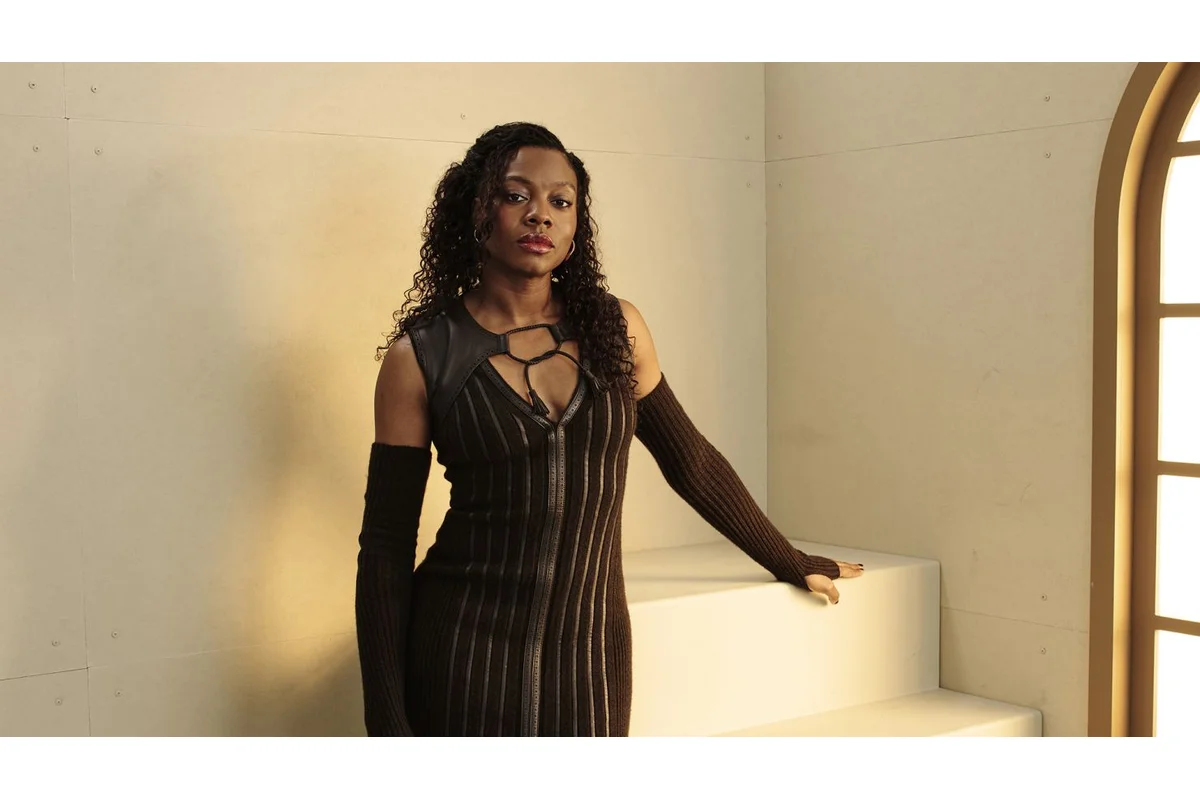
DaCosta’s Vision: Darkness, Humor, and the Dance Floor
Nia DaCosta’s direction stands out as she confidently navigates the story’s blend of brutality and bizarre levity. Her approach finds space for both physical horror and psychological drama while introducing moments of surreal joy—nowhere more memorable than in scenes set to the synth-pop rhythms of Duran Duran’s 1980s hits. The film’s most striking sequence sees previously unimagined territory in the zombie genre: two central figures, caught between horror and euphoria, dancing to “Ordinary World,” “Girls on Film,” and “Rio.” As these musical interludes unfold, the underlying terror is never far off, but DaCosta encourages the audience to consider what new emotional ground such chaos can uncover.
Garland’s screenplay, always sharp and unpredictable, continuously pushes the boundaries of what audiences expect from a post-apocalyptic tale. The partnership between DaCosta and Garland ensures that “Nia DaCosta 28 Years Later” is not just another genre outing—rather, it becomes a meditation on absurdity, resilience, and what it means to be human amid devastation.
Classic Characters Return With New Depth
The story thrives on complex character dynamics, with Sir Jimmy leading a relentless wave of destruction while embodying both leader and cult idol. The opposite force in the narrative, Dr. Ian Kelson, is portrayed by Ralph Fiennes, whose return to the series delivers gravitas and a sense of hope. Kelson tries to discover a cure for the persistent infection, memorializing victims by building bone pillars, an act both unsettling and empathetic. This blend of macabre ritual with humanitarian resolve is a signature of Kelson’s character, and Fiennes’s unwavering performance anchors these larger-than-life scenes.
Kelson forms a strange and touching bond with an infected “Alpha,” acted by former MMA fighter Chi Lewis-Parry. Their interactions—marked by mutual drug-induced calm and even moments on the dance floor—offer viewers an unusual, unexpectedly tender look at the relationships possible even within such a ravaged setting. This humanist element is amplified by DaCosta’s attentive direction and Garland’s risk-taking script, ensuring each character’s suffering and survival are deeply felt by the audience.
Music and Cinematic Style Break New Ground
Throughout the movie, music becomes a powerful narrative force, shifting the emotional tone from dread to cathartic joy to ironic humor. Alongside Duran Duran’s unmistakable tracks, the soundtrack features Radiohead’s “Everything in Its Right Place” and an uproarious heavy metal interlude courtesy of Iron Maiden’s “The Number of the Beast.” These choices contribute to the film’s chaotic, rebellious mood, suggesting that in DaCosta’s and Garland’s world, no emotional response is off-limits—even in the midst of a dystopian nightmare.
This wild approach is a marked departure from the elegiac tone of previous entries, favoring a punk-inspired attitude that constantly surprises. While the core threat—the infected—remains central, the focus shifts toward the social and psychological fallout of long-term trauma, isolation, and survival. Audiences are prompted to consider the philosophical as well as the physical effects of a world forever changed by disaster.
Evolving Themes Reflect on Survival and Humanity
At its heart,
“28 Years Later: The Bone Temple”
is preoccupied with deeper questions than mere survival. The familiar trope of endless escape from mindless attackers gives way to explorations of cult behavior, enduring loss, and the complex journey of what it means to exist in an environment turned upside-down by fear and violence. The film asks who will claim victory—Sir Jimmy and his reign of chaos, or Dr. Kelson and his hopes for renewal. As the story unfolds across the haunted landscapes of the British countryside, these questions become as important as any physical confrontation.
Hints at a possible happy ending for this “blighted island” tease viewers with hope, suggesting that the franchise might finally offer closure. But with a fifth installment already in the works, the creative team makes it clear that fresh spins on the zombie theme remain possible, even as the narrative grows ever more emotionally charged and experimental.
Legacy, Impact, and What’s Next for the Franchise
“28 Years Later: The Bone Temple”
not only reinvents the undead for a new generation but also pushes the boundaries of what mainstream horror cinema can achieve, especially under Nia DaCosta’s leadership. Through its dynamic mix of intense violence, emotional depth, and unexpected levity, the film solidifies its place among the franchise’s most memorable entries. Its willingness to challenge the typical structure of both action and character development ensures that this universe continues to develop in daring directions, guided by talents including DaCosta, Garland, Jack O’Connell, and Ralph Fiennes.
The constant evolution of these films mirrors the very heart of their stories—an ongoing struggle for meaning, hope, and survival. Fans can expect more revelations and character arcs with the upcoming fifth movie, but for now, “Nia DaCosta 28 Years Later” leaves audiences with unforgettable set pieces, complex questions, and even a new appreciation for dancing in the face of doom. As Duran Duran’s lyrics echo, “I will learn to survive,” a sentiment that feels apt for both the characters on screen and the fans who follow their journey across decades of cinematic reinvention.
