
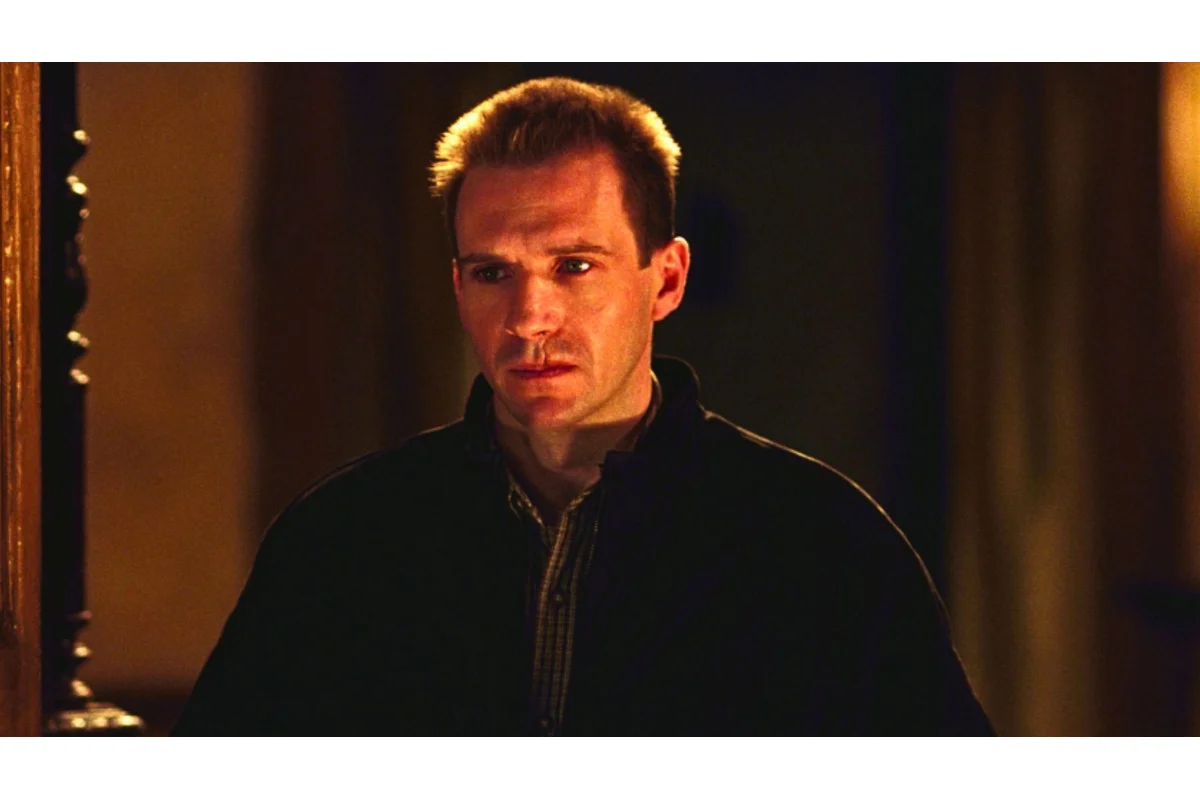
The highly anticipated sequel, 28 Years Later: The Bone Temple, brings Ralph Fiennes into the spotlight for a standout performance as Dr. Ian Kelson, set against a ravaged England struggling to survive decades after a devastating zombie outbreak. This latest installment immerses audiences once more in the eerie aftermath, building on the legacy of the series while showcasing Fiennes’s remarkable depth—the essence of the much-discussed Ralph Fiennes Bone Temple performance.
Shifting Years and New Dangers in Post-Apocalyptic England
The 28 Days Later saga, notorious for its unnerving vision of a quarantined England, sees time itself acting as a narrative force in The Bone Temple. Unlike earlier entries identified by their time leaps, this film subtly continues from the long-anticipated sequel and signifies both a passage of years and evolution in story tone. Instead of pandemic commentary, the movie weaves historical allusions—one notable character draws a line from World War II’s fight against fascism to the current struggle for humanity’s survival.
In this world, former protagonist Spike—last seen braving the dangers of an infested countryside in a previous cliffhanger—faces a dramatically changed fate. The film wastes no time revealing Spike’s conscription into the gang led by Sir Lord Jimmy Crystal, played by Jack O’Connell. Jimmy first appears as a child in the flashbacks, only to emerge now as a dangerous leader: his rule is marked by cruel initiation rituals and home invasions evocative of The Strangers, blending cultish brutality with disturbing order. The real horror, as implied, often comes less from zombies and more so from the monstrous acts of the surviving humans. This thematic continuation from the original film’s cynical final act remains at the film’s core.
Leadership Changes and Directorial Approach
Notably, while series creator Danny Boyle produced this sequel, he passed the directorial reins to Nia DaCosta—a director renowned for her work on Hedda and the Candyman reboot. DaCosta’s visual choices include both tributes to Boyle’s kinetic style and her own brand of measured intensity. From dynamic shots, such as the zombie chest-mounted camera angle, to serene overhead views of chaos, she balances horror with artistry. But the overall style, crafted with cinematographer Sean Bobbitt, is more restrained than previous multiformat visual frenzies. Alex Garland, returning as screenwriter, crafts a story more accessible yet still rooted in the series’ bleak, unpredictable spirit.
This installment interweaves multiple stories destined to collide in the climactic third act, a choice that adds predictability but also deeper focus on key characters. Through this approach, the world feels simultaneously more intimate and fraught, drawing the viewer’s gaze toward individual struggles rather than sprawling world-building.
Layers of Humanity: Dr. Kelson, Spike, and the Alpha Zombie
A primary narrative centers on Dr. Ian Kelson, portrayed magnetically by Ralph Fiennes, who remains stationed at the solemn bone-temple memorial he built to honor the fallen. Audiences last saw Kelson briefly at the close of the previous film, but in The Bone Temple his character takes on new significance. Kelson’s story grows more complex when he encounters the film’s unique antagonist: a dominant, almost mythic “alpha” zombie named Samson, played by Chi Lewis-Parry. In a move that subverts typical genre expectations, Kelson forms an uneasy companionship with Samson, even bestowing a name upon him and rejecting standard methods of violence. This dynamic not only differentiates the film from traditional zombie narratives but provides Fiennes with material that highlights his subtlety and emotional intensity.
Spike’s arc, however, is less pronounced. The youthful survivor—heavily featured in 28 Years Later as the focal point for hope and coming-of-age themes—is subdued in this installment. Forced into Sir Jimmy’s gang, his perspective is often muted. Alfie Williams, who previously brought depth to Spike’s character, seems confined to one-note dread throughout the film’s tense sequences, perhaps a consequence of the narrative’s larger ambitions and shifting focus to Dr. Kelson.
Supporting performances offer moments of necessary levity. Jack O’Connell’s depiction of Sir Jimmy, for example, is reminiscent of Begbie from Trainspotting—both menacing and, at times, humorously transparent in his brutality. The film skillfully balances dread with wry comedic beats, echoing real-world figures while rooted in post-apocalyptic uncertainty. Aspects such as Dr. Kelson’s unexpected role as “in-world music supervisor,” curating a bunker-spanning record collection heavy on Duran Duran, lend the narrative both charm and bittersweet nostalgia.
Directorial Vision and Legacy of the Franchise
DaCosta’s vision is evident throughout, as she subtly diverges from the precedent set by Boyle and Anthony Dod Mantle’s experimental cinematography. Partnering with Bobbitt, she opts for an aesthetic that prioritizes deliberate pacing and thematic resonance over shock value or visual excess. Even as the story grows more accessible, the film preserves an edge of unpredictability, especially in sequences combining suspense, action, and bleak humor. The writing by Garland ensures that, while the film is more mainstream, key philosophical undercurrents—questions about humanity, morality, and survival—run deep.
The choice to intertwine storylines rather than follow Spike’s journey alone gives The Bone Temple a more ensemble-driven approach. Though this tightens the narrative and closes in on the world of the survivors, some may feel the broader mythology and expansive world-building recede in favor of personal drama. This trade-off may enhance some character moments, particularly for Fiennes’s Kelson, but occasionally undermines the raw, world-weary vulnerability that made the series’ previous protagonist arcs so compelling.
Anticipation for the Series’ Future
While 28 Years Later concluded with a revolutionary reframing of its central character, The Bone Temple’s denouement feels more measured—choosing not to risk complete narrative upheaval before offering one last cliffhanger. This deliberate pause suggests an evolving franchise model more akin to Planet of the Apes, where each sequel becomes another chapter rather than a full-circle resolution. As the series transforms from isolated horror into a saga about survival, memory, and the nature of leadership, the stage is set for further exploration in a forthcoming third installment.
The blending of horror, drama, dark comedy, and philosophical inquiry positions The Bone Temple as a worthy continuation—if one less willing to jolt its audience with narrative gambles than with grounded, character-driven storytelling. Fiennes’s portrayal as Dr. Kelson continues to stand out and is likely to influence both critical and fan reception as anticipation builds for the next chapter in this storied universe.
Director: Nia DaCosta
Writer: Alex Garland
Starring: Ralph Fiennes, Alfie Williams, Jack O’Connell, Erin Kellyman, Chi Lewis-Parry
Release Date: January 16, 2026
