
The common narrative around child stars often highlights the hardships they face later in life, including challenges finding work as adults, struggles with substance abuse, and experiences of sexual abuse. However, Jodie Foster’s journey stands apart from this pattern. Beginning her acting career at the age of three, Foster has reflected on how she managed to avoid the worst pitfalls that many of her peers encountered in Hollywood.
Her story illustrates a rare case of childhood resilience and power that helped protect her during a vulnerable time in the entertainment industry.
Finding Strength Through Early Success
At the age of 12, Jodie Foster starred in the intense drama Taxi Driver, directed by Martin Scorsese. The film, which also featured Robert De Niro and Cybill Shepherd, earned her an Academy Award nomination for Best Supporting Actress for her portrayal of child prostitute Iris Steensma. This early acclaim granted Foster a form of power that few child actors possess, which she believes played a critical role in safeguarding her from exploitation and mistreatment.
Reflecting on her experiences, Foster shared,
“I’ve really had to examine that, like, how did I get saved?”
to NPR’s Terry Gross, adding,
“There were microaggressions, of course. Anybody who’s in the workplace has had misogynist microaggressions. That’s just a part of being a woman, right? But what kept me from having those bad experiences, those terrible experiences? And what I came to believe … is that I had a certain amount of power by the time I was, like, 12.”
Protecting Herself in a Predatory Environment
Foster credits her early Oscar nomination as a turning point that placed her among a group of individuals wielding influence. She explained,
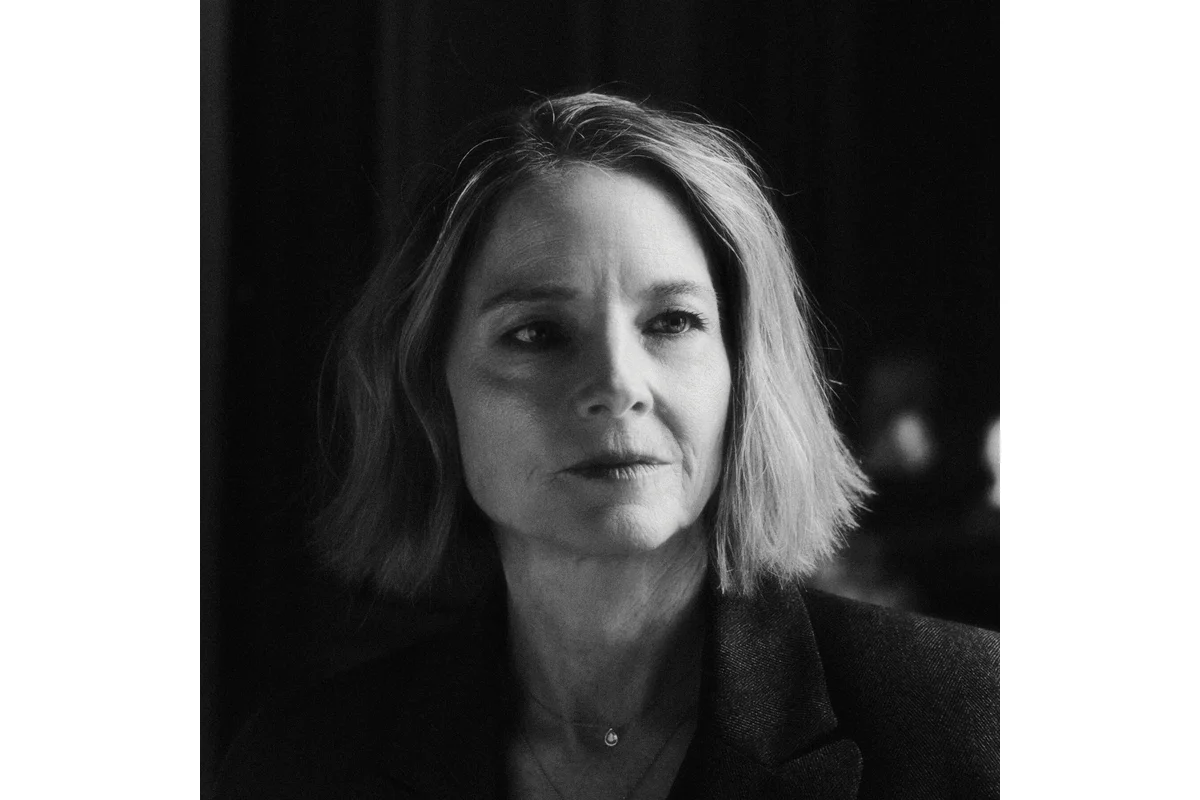
“By the time I had my first Oscar nomination, I was part of a different category of people that had power and I was too dangerous to touch,”
and added,
“I could’ve ruined people’s careers or I could’ve called ‘Uncle,’ so I wasn’t on the block.”
Her mother, Evelyn “Brandy” Foster, managed her career and carefully selected her projects, which included notable films such as Freaky Friday, Foxes, and Alice Doesn’t Live Here Anymore. This support system helped maintain a protective boundary around Foster during her formative years in Hollywood.
Personality Traits That Bolstered Her Survival
Beyond external factors, Foster attributes part of her resilience to her personal disposition. She described herself as a “head-first person” who approaches the world with determination, making it difficult to manipulate her emotionally. As she told Terry Gross,
“It’s very difficult to emotionally manipulate me because I don’t operate with my emotions on the surface.”
The Dual Paths for Child Actors
Foster acknowledged the precarious nature of childhood acting, highlighting two possible outcomes. She observed,
“There’s two things that can happen as a child actor: One is you develop resilience, and you come up with a plan and a way to survive intact, and there are real advantages to that in life,”
adding,
“And I really feel grateful for the advantages that that’s given me, the benefits that that has given me. Or the other is you totally fall apart and you can’t take it.”
This insight sheds light on why her experience contrasts with many others in the same position, emphasizing the role of both inner strength and external support.
Continued Career and Upcoming Projects
Now 63 years old, Jodie Foster has sustained a celebrated career in Hollywood. She starred in critically acclaimed films like The Accused and The Silence of the Lambs, winning Oscars for both, and earned nominations for roles in Nell and Nyad. She has also branched into directing with films including Money Monster, featuring Julia Roberts and George Clooney, and Home for the Holidays, starring Holly Hunter and Robert Downey Jr.
Foster’s most recent movie, A Private Life, is set to be released in theaters on January 16, continuing her legacy as a powerful and multifaceted figure in the entertainment industry.
