
At the National Board of Review Awards gala held Tuesday night in Midtown Manhattan, Leonardo DiCaprio advocated passionately for the revival of movie theaters, emphasizing the unique communal experience they provide. During the event, DiCaprio’s remarks underscored the importance of cinemas as cultural spaces while Ryan Coogler reflected on recent tragic violence, connecting it to his own work. The focus on film advocacy and vivid social issues marked an evening celebrating cinematic achievement and reflection.
Ryan Coogler Honors Victim and Reflects on Social Injustice
Filmmaker Ryan Coogler addressed attendees with a solemn acknowledgment of the fatal shooting of Renee Nicole Good by an ICE agent in Minneapolis earlier this month. During his acceptance speech for the National Board of Review’s original screenplay award for Sinners, Coogler drew a personal parallel between Good’s death and the story behind his first film, Fruitvale Station, which recounts the 2009 killing of Oscar Grant by a Bay Area Rapid Transit police officer in Oakland, California. Coogler expressed his continued disillusionment with the impact of his work, stating,
I was young and naive, and I thought the movie was going to change the world and make it so you didn’t see people executed by civil service on camera anymore,
Ryan Coogler said of Fruitvale Station.
I was proven wrong again and again. And it’s tough to be here and not think about Minnesota.
He further acknowledged the pain caused by these events, adding,
I can’t be here and not think about Renee.
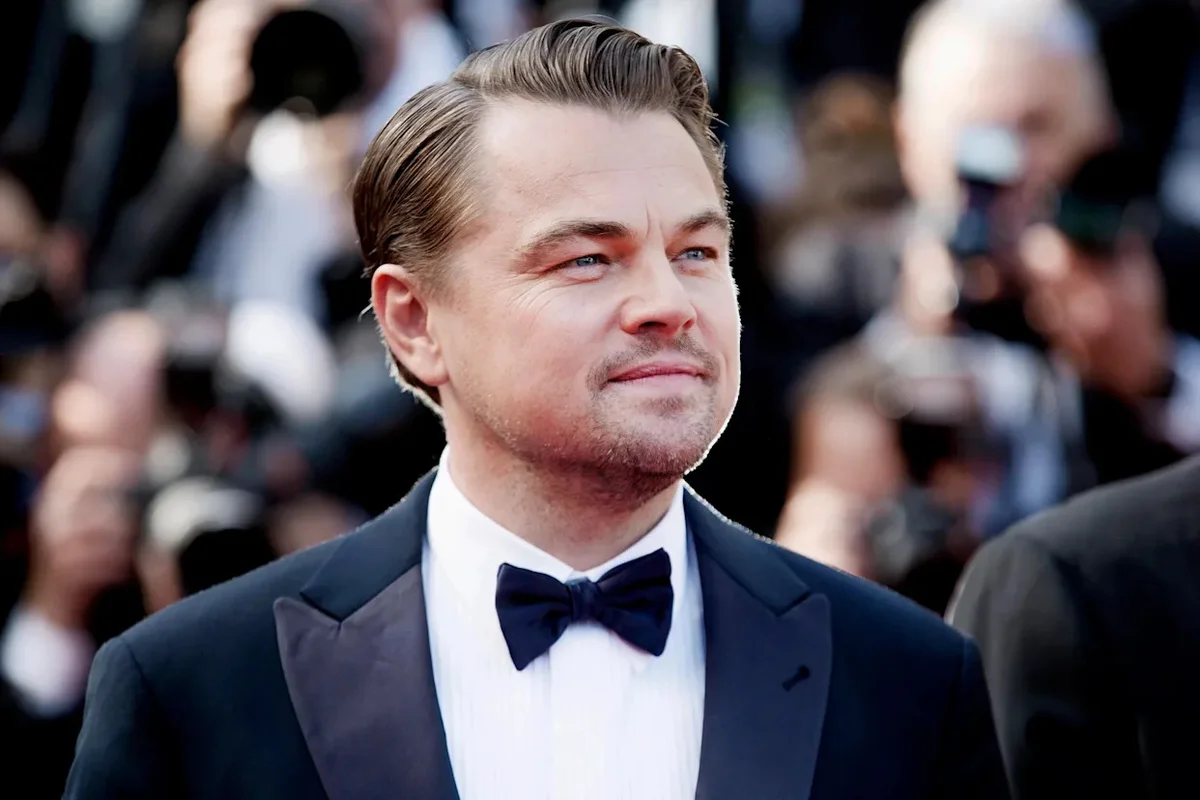
DiCaprio Reflects on the Enduring Power of Movie Theaters
Leonardo DiCaprio, honored as best actor for his performance in Paul Thomas Anderson’s action epic One Battle After Another, used his stage moment to highlight his lifelong love for the cinema-going experience. Recalling his childhood visits to the Vista Theater in Los Angeles, he highlighted the significance of historic theaters struggling to survive.
Like many theaters in America, it nearly closed a few years ago. But more than a century later, it is still standing,
DiCaprio said, praising the single-screen venue.
A historic single-screen palace, still doing what it was meant to do — bringing people together in the dark to experience movies as they were intended.
DiCaprio explained how films became a source of inspiration and escape for him during his youth, fueling his imagination and understanding of the world beyond his immediate environment. He shared,
“As I kept watching, something shifted in me. Film became an escape from the limits of my surroundings. It wasn’t just entertainment — it was a place to escape my neighborhood and a place where something larger than my own life felt possible. I would walk out of that theater absolutely buzzing, knowing there was something beyond the world — beyond this world that I was born into — that I had to find a way to be a part of it.”
Highlighting the transformative power of cinema as an art form, DiCaprio said,
At some point, each of us sat in a theater — in a movie theater. Lights went down, and something on that screen rearranged how we saw the world and ourselves. As an adult, I came to understand that cinema is our most definitive art form. It is collaborative, communal and uniquely capable of expressing the human condition and what it is to be human.
National Board of Review Celebrates Outstanding Films and Talent
The gala at Cipriani 42nd Street recognized a wide range of achievements in film for the year. One Battle After Another dominated the night, receiving the best film title along with best actor for Leonardo DiCaprio and best director for Paul Thomas Anderson. Benicio del Toro earned the supporting actor award, and Chase Infiniti was honored for breakthrough performance.
Additional recipients included Rose Byrne for best actress with If I Had Legs I’d Kick You; Eva Victor for best directorial debut with Sorry, Baby; and Inga Ibsdotter Lilleaas for best supporting actress in Sentimental Value. Jafar Panahi’s It Was Just an Accident was named best international film. The award for best adapted screenplay went to Clint Bently and Greg Kwedar for Train Dreams, while Autumn Durald Arkapaw was recognized for outstanding cinematography in Sinners. The best animated feature was awarded to Ugo Bienvenu and Sophie Mas for Arco, and Wade Eastwood received honors for stunt artistry in Mission: Impossible – The Final Reckoning.
Documentary accolades went to Laura Poitras, Mark Obenhaus, Yoni Golijov, and Olivia Streisand for Cover-Up. Additionally, the National Board of Review Freedom of Expression Award was presented to Richard Lorber for Put Your Soul on Your Hand and Walk.
Significance of Film Advocacy and Future Challenges
The remarks by both Coogler and DiCaprio underscore a dual message of urgency and hope: confronting real-world injustice through storytelling and protecting the communal magic of cinema in the face of changing media landscapes. DiCaprio’s call to preserve historic movie theaters serves as a reminder of their role in artistic expression and social connection. Meanwhile, Coogler’s reflections highlight ongoing struggles for justice that films often strive to illuminate. Together, their voices emphasize the continuing need for filmmakers and audiences to engage deeply in both cinema’s cultural power and the societal issues it portrays.
