
Kate Winslet has candidly shared the intense challenges her acting career posed to her mental well-being, particularly after portraying deeply troubled characters. The 50-year-old Oscar winner described moments when the emotional weight of such roles, including her time on the HBO series Mare of Easttown, caused her to “go mad” and require professional help to regain her sense of self.
The Emotional Toll of Immersing in Difficult Characters
Winslet explained how fully embodying a complex character can disrupt an actor’s personal life, making it hard to detach from the role even after filming ends. She referred to this process as “re-entry”: the gradual adjustment of returning to everyday life, reconnecting with friends and family, and releasing the character’s emotional burdens.
“It takes a while, actually, to unpick a character from your system, especially if you have played them for a long time, which, with television, you really do,”
Kate shared on the podcast Lessons from Our Mothers.
The actress highlighted her role as Mare Sheehan, the troubled detective in Mare of Easttown, as the turning point where the demands of acting became overwhelming. The series, filmed over an extended period due to COVID-19 delays, required more than a year of embodying a character battling divorce, personal loss, and trauma.
“It was meant to be a six month shoot,”
Winslet said,
“Covid happened after the five months that we had been shooting, and everything got pushed, and when we came back, our five remaining weeks turned into 10. By the end of the whole thing, I’d been playing that character for over a year. And I really honestly went a bit mad. It was quite weird.”
Seeking Professional Support During Career Challenges
Kate detailed that this was the only time in her life when she felt the need for professional assistance to return to herself.
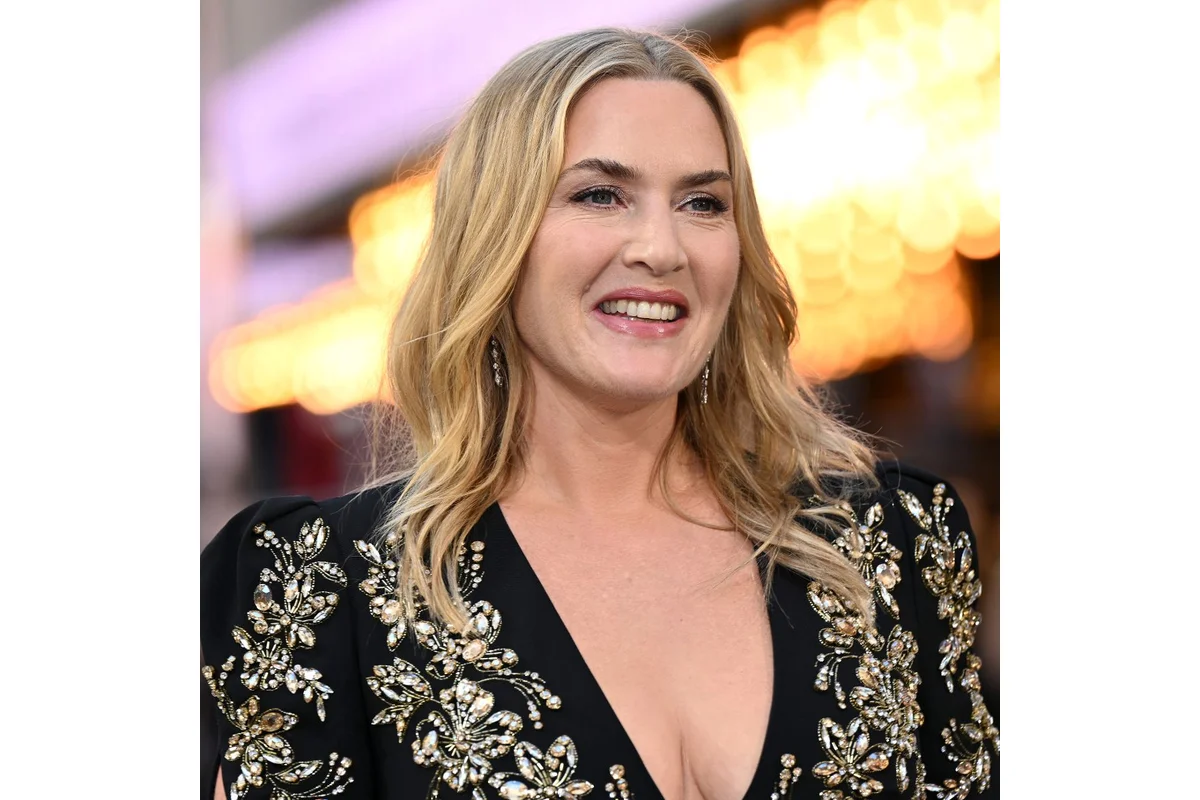
“It’s the only time in my life that I actually had to get some proper help, to come back to myself,”
she admitted, adding that it felt uncomfortable to voice this due to stigma around mental health in the acting profession.
She stressed the difficulty of disentangling from emotionally demanding roles, especially those cast for extended periods, and called attention to the importance of recognizing these effects. This openness serves to shed light on the often unseen sacrifices actors make in their craft.
Supporting Family Through Similar Struggles
Winslet’s experience has influenced how she supports her son, Joe, who recently entered acting and has faced his own challenges. Joe, 21, finished filming the Apple TV+ series Cape Fear in Atlanta, where he took on “an unbelievably disturbing role,” according to his mother.
Drawing from her personal journey, Kate provides her son with compassionate care during his own “re-entry” phase after intense roles. She described her approach:
“Good meals, good walk, let’s get in the sea. Don’t need to talk today? That’s fine. Want to stay in bed today? Absolutely fine. You don’t need to do anything. Doesn’t matter. Do nothing and be okay with it.”
The actress is married to Edward Abel Smith, nephew of businessman Sir Richard Branson, and also has two other children: Mia, 25, an actress from her first marriage to Jim Threapleton, and Bear, 12, with Edward.
Respecting Boundaries in Parenting and Acting
When asked about advising her children on their acting careers, Kate emphasized her hands-off approach.
“I never give an opinion unless I’m asked for one,”
she said.
“And when it comes to acting, actually, they don’t ask me for anything. They just get on and do it themselves. And I love the fact that they do that because that’s exactly what I did.”
She highlighted that the acting process is a deeply personal journey for each individual, and she respects her children’s autonomy in navigating their careers.
Responding to Industry Criticism and Nepotism
Recently, Winslet faced criticism over her comments about “nepo babies,” a term used to describe the children of celebrities who pursue similar careers. Prior to the release of her directorial debut Goodbye June, for which her son Joe wrote the screenplay, she expressed disapproval of the term, calling it “silly.”
She argued that her children have not been given unfair advantages, insisting that they are forging their own paths without relying on her fame. This stance underscores her commitment to integrity within her family’s involvement in the entertainment industry.
The Lasting Impact of High-Intensity Acting Roles
Kate Winslet’s openness about the psychological consequences of intensive character work offers valuable insight into the emotional costs actors can face. Her experience, especially with the emotionally heavy role in Mare of Easttown, illustrates the necessity of mental health support within demanding professions. Moreover, by extending her understanding to her son and promoting recovery through caring support, she highlights the importance of family and self-care during difficult transitions.
As more performers share similar stories, it may lead to wider awareness and better resources for mental health in the industry. Winslet’s candid revelation encourages a crucial conversation about the toll of artistic immersion and the need for compassion toward those who bring complex characters to life.
