
Kristen Stewart, known for her roles in Twilight and Crimes of the Future, has recently spoken out about the stark differences between being an actress and directing a film. Having experienced both sides of moviemaking, Stewart expressed that directing comes with unique challenges, especially as a woman in the industry. She opened up about these issues in a candid interview with The Times, addressing the difficulties she has faced as a female director.
Disparities Between Female and Male Experiences in Film
Stewart highlighted the mistreatment of actresses, bluntly stating,
“Actresses get treated like s—, I’ve got to tell you,”
in her interview. She remarked that while many believe acting is accessible to anyone, her first encounter as a director was eye-opening.
“The first time I sat down to talk about my movie as a director, I thought, ‘Wow, this is a different experience, they are talking to me like I’m somebody with a brain,’”
she added, reflecting on the respect she finally received when stepping behind the camera.
She has been outspoken about the gender gap in the film world since directing her debut film, The Chronology of Water. Stewart criticized the myth surrounding directors, saying,
“There’s this idea that directors have otherworldly abilities, which is not true. It’s an idea perpetuated by men.”
She further underscored how female actors are often treated like “puppets,” though they are far from it.
Challenges and Misconceptions About Female Directors
When asked whether her project would have been easier if she were a man, Stewart replied,
“If I was a man, I wouldn’t have made this movie… We have to deny our physicality every single day, and there is so much — like birth — that is so painful and also quite beautiful, but we don’t share it, because it is uncomfortable and icky.”
This response emphasizes how female directors bring experiences to the screen that are often overlooked or dismissed.
Prior to the premiere of The Chronology of Water at the Cannes Film Festival last May, Stewart was already vocal about systemic barriers preventing women from directing more films. She challenged the idea that making a movie requires superior technical skill, calling it a “bulls— fallacy” that protects the industry’s male dominance.
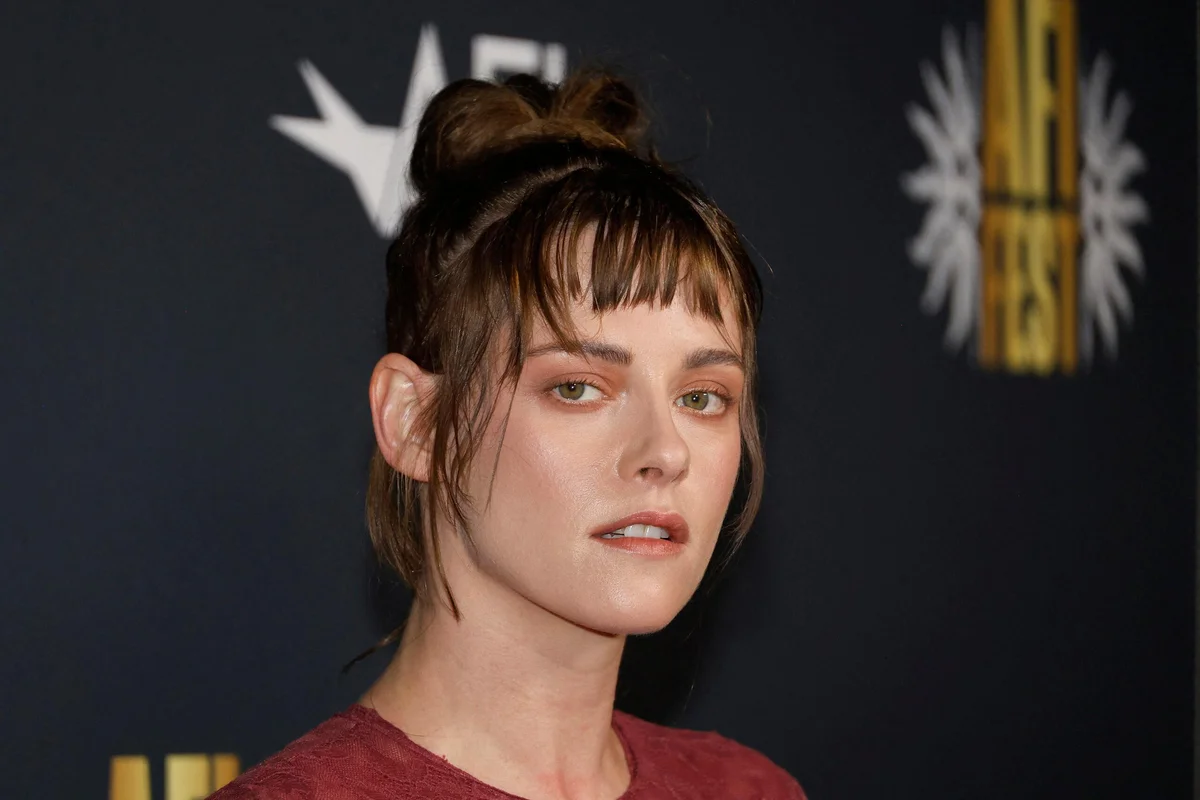
“Anyone can make a movie if they have something to say,”
she insisted, pushing against the notion that directing is an exclusive, difficult craft.
The Chronology of Water and Future Projects
Stewart directed The Chronology of Water, a film adaptation of Lidia Yuknavitch’s 2011 memoir, which explores themes of trauma, addiction, and personal growth. Imogen Poots stars as a young Yuknavitch who struggles to overcome an abusive background through competitive swimming and discovers her talent for writing. The film has been notable for its intimate and raw portrayal of a difficult subject.
Looking ahead, Stewart has confirmed her commitment to directing a new version of Twilight, the movie that first brought her major recognition. This move signals her continuing desire to shape stories from behind the camera, despite the challenges she has openly highlighted.
Impact on the Industry and What to Expect Next
Kristen Stewart’s frank discussion about the realities of being a female director sheds light on the broader issues of gender inequality in filmmaking. Her experience underscores how women in the industry face unfair treatment and skepticism, yet demonstrate resilience and creativity in telling meaningful stories. As Stewart takes on future projects, including potentially revamping her own breakout role’s film, her voice may inspire more women to venture into directing roles, challenging the male-dominated norms of Hollywood.
