
Actor Ethan Hawke has openly expressed his dissatisfaction with the current state of superhero films, arguing that they do not qualify as true cinema. Speaking out on the issue, Hawke criticized the dominance of these blockbusters in Hollywood, emphasizing his belief that they prioritize profit over meaningful storytelling. His comments come amid ongoing debates about the artistic value of superhero franchises, a subject that continues to divide audiences and filmmakers alike.
Concerns Over the Influence of Superhero Films on Cinema
Hawke observes that the overwhelming presence of superhero movies limits the space for more thoughtful and innovative filmmaking. He points to the golden era of cinema in the 1960s and 1970s, highlighting the warmth and texture of films from that period—qualities he finds missing in today’s blockbuster productions. According to Hawke, superhero films often rely too heavily on star power, legacy characters, and flashy special effects, resulting in movies that lack depth and fail to leave a lasting impact on viewers.
He implies that these formulaic movies, commonly produced by big studios like Marvel, diminish the overall quality of cinema by setting low expectations for what films can achieve in exploring the human condition.
Hawke Challenges the Praise of Films Like “Logan”
While some champion certain superhero films as exemplary works, Hawke remains unconvinced. Referring specifically to the movie “Logan,” he identified it as a good superhero movie but rejected the idea that it is great cinema.
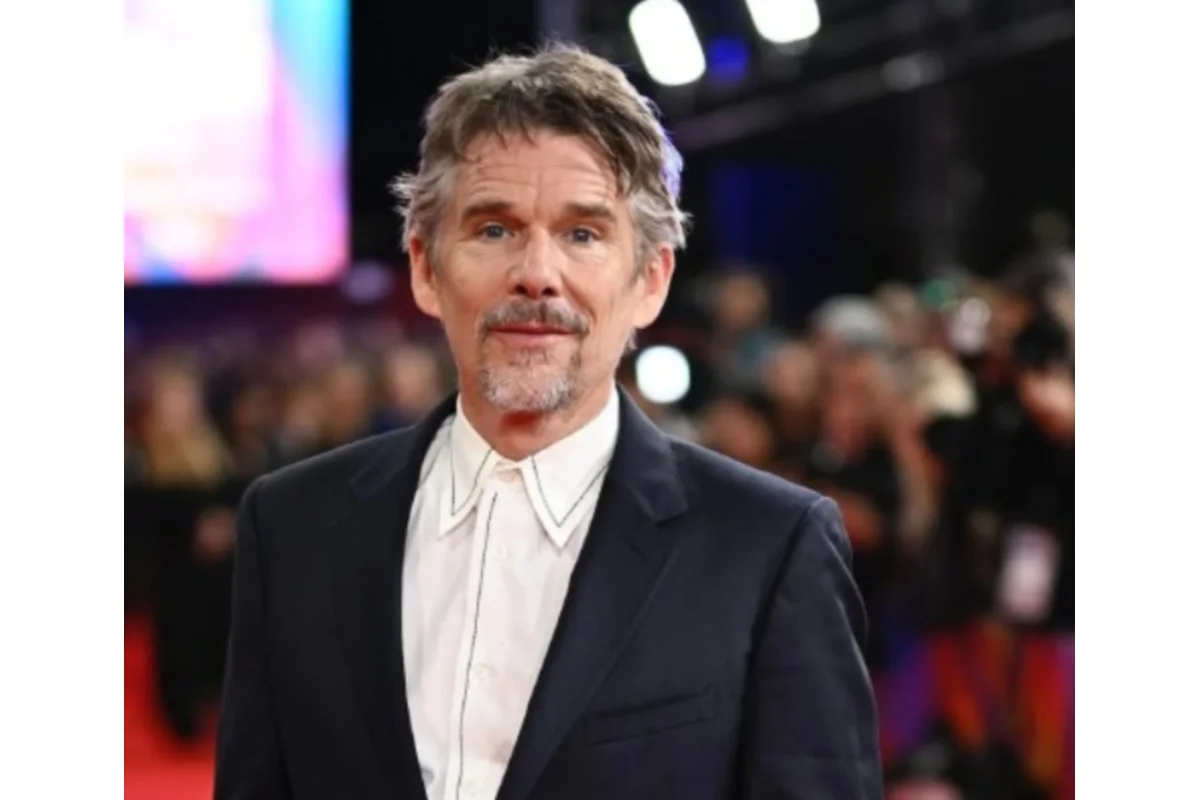
“Now we have the problem that they tell us Logan is a great movie. Well, it’s a great superhero movie. It still involves people in tights with metal coming out of their hands. It’s not [Robert] Bresson. It’s not [Ingmar] Bergman,”
Hawke told The Film Stage.
He added,
“But they talk about it like it is. I went to see Logan cause everyone was like, ‘This is a great movie’ and I was like, ‘Really? No, this is a fine superhero movie.’ There’s a difference but big business doesn’t think there’s a difference. Big business wants you to think that this is a great film because they wanna make money off of it.”
The Impact of Superhero Films on Smaller Productions and Film Festivals
Hawke warns that the commercial success of superhero blockbusters threatens the visibility and viability of smaller, more experimental films. As big studios chase mass appeal and profit, these smaller films struggle to find audiences, risking the loss of diverse and subversive perspectives in cinema. He described the importance of film festivals as critical venues that preserve and promote such works by curating films that challenge dominant narratives.
“That’s why film festivals have become so important because you guys at film festivals are like curators of, like, what does the world need to be paying attention to. What should be seen? If we didn’t have these festivals, big business would crush all these smaller movies,”
Hawke explained, underscoring the need to resist the monopolization of the film industry by superhero franchises and corporate interests.
Why Ethan Hawke’s Views Matter for the Future of Cinema
Hawke’s outspoken criticism highlights a growing tension within the film industry between artistic integrity and commercial gain. His focus on the erosion of cinematic quality by superhero films raises fundamental questions about the direction Hollywood is taking and the cultural costs of blockbuster dominance. As studios continue to invest heavily in franchise films, the balance between popular appeal and meaningful storytelling remains precarious.
The actor’s perspective encourages audiences and industry professionals to reflect on what constitutes genuine cinema and to support venues like film festivals that champion diverse voices. The ongoing debate around superhero movies is likely to shape conversations about filmmaking standards and audience expectations for years to come.
