
Kevin Costner’s enduring love for the Western genre shines through in his film roles, particularly in the celebrated shootout scene from Open Range. Released over two decades ago, this Kevin Costner Western Shootout remains a vivid and intense portrayal of gun violence, filmed far from the comforts of city life that Costner prefers to avoid. His dedication to Westerns gave audiences a gripping story of justice and revenge, culminating in one of cinema’s most unforgettable gun battles.
A Story of Vengeance and Justice in the Old West
Open Range follows Costner as a reformed gunslinger who reluctantly returns to violence to confront a ruthless rancher terrorizing a nearby town. Alongside his ally Boss, played by Robert Duvall, Costner’s character confronts the villain’s armed henchmen in a dramatic showdown. The shootout is marked by shocking moments: one antagonist is shot squarely between the eyes, while another is blasted across the street after taking a bullet through a wall. The violence spills into the town itself as bullets tear through windows, walls, and properties, escalating further when local townsfolk join the fight to support the heroes.
The scene’s effectiveness depends heavily on the story that leads to it. Open Range builds carefully to its violent climax, investing time in developing the characters so viewers feel the weight of their struggle. This buildup ensures that the shootout isn’t just spectacle but a deeply charged moment of retribution and survival.
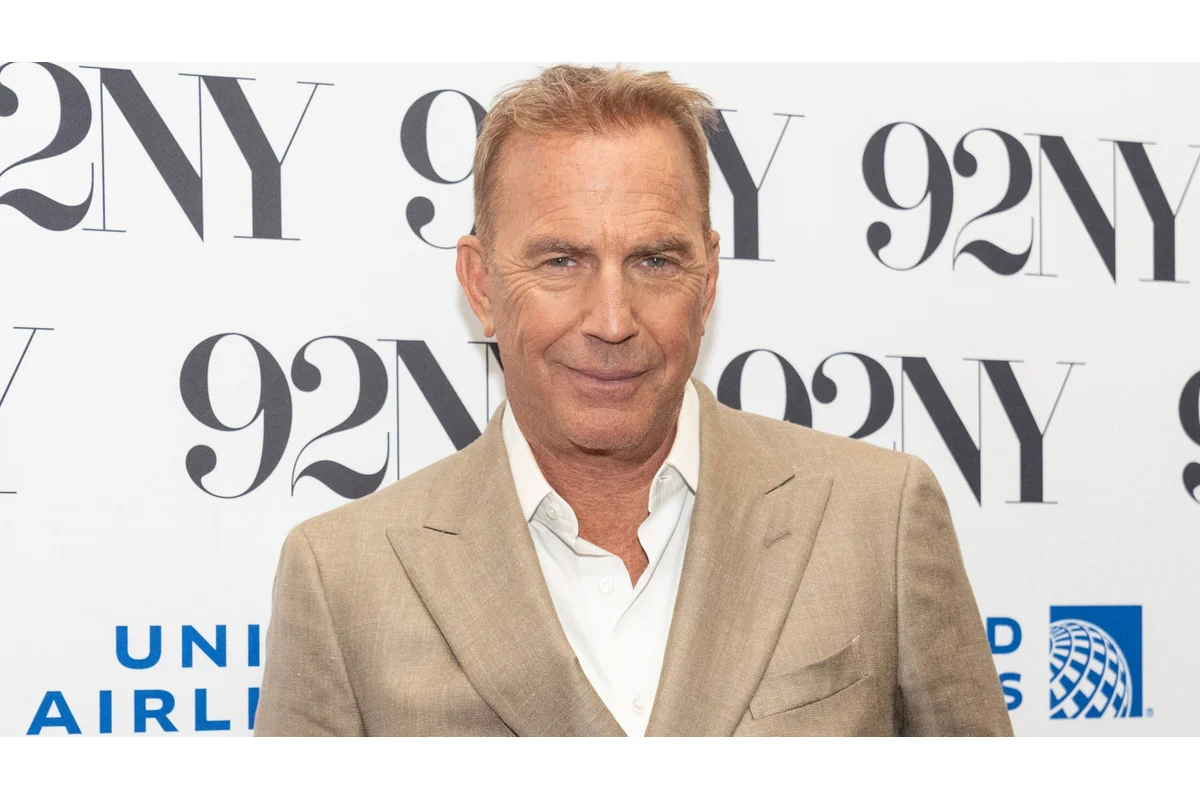
Kevin Costner’s Vision for the Shootout’s Impact
The climax of Open Range isn’t designed merely for entertainment. Kevin Costner directed the gunfight sequence to communicate the brutal and frightening reality of such violence. Unlike many Westerns where gunfights have a stylized and somewhat glamorous tone, this shootout carries a grim and unsettling atmosphere. Costner wanted guns to feel loud and intimidating, producing a lingering sense of terror rather than fun.
In an interview with Roger Ebert, Costner explained his approach:
“I know I’m going to get my gunfight. That’s an obligatory thing, and I was happy to do it and wanted to do it. But I think guns should be loud in a movie, and scare you. The best anti-gun message is that [there’s] a result after guns go off. It’s not just people who are hurt. Animals are hurt, and buildings are torn up, and people are scarred for life.”
Kevin Costner, Actor and Director
Portraying the True Consequences of Gun Violence
Costner also emphasized the harsh aftermath of gunfights, noting how real shootouts result in casualties that others must clean up, sometimes leaving them physically ill from the experience. The destruction touches more than just the combatants; it harms innocent animals, damages structures, and leaves lasting scars on survivors. This raw presentation of violence sets Open Range apart from more conventional Westerns, offering a powerful commentary on the cost of gun use.
Through this lens, the shootout transcends typical action scenes to become a reflection on the consequences of lethal force, challenging movie fans to see beyond the spectacle to the true human and environmental toll of such conflicts. As a result, this shootout remains not only one of the most memorable in film history but also one of the most thought-provoking.
After more than twenty years, Kevin Costner’s Western shootout in Open Range continues to resonate for its authentic tension and uneasy power, establishing it as a standout moment that influences how gun violence is depicted in modern cinema.
