
Russell Crowe’s new historical drama, the Russell Crowe Nuremberg film, premiered recently in France and garnered widespread critical praise for his portrayal of Hermann Göring. The release triggered intense public debate due to its surprising exclusion from the Oscar nominations, with viewers across the globe engaging in social and political discussions sparked by the film’s depiction of past atrocities and their troubling connections to current events.
Transformative Performance Draws High Acclaim and Emotional Response
Crowe’s announcement of the French theatrical release was met with passionate commentary, as audiences contemplated his embodiment of the Nazi Reichsmarschall, widely regarded as one of his most powerful performances. Fans and critics alike marveled at how Crowe seemed to disappear into the role, capturing the complex and unsettling charisma of Hermann Göring.
One viewer from Prague remarked,
“You were not Russell Crowe, You became Hermann Göring! You’re a living Legend!”
—expressing admiration for the complete immersion Crowe achieved. Others noted the nuanced portrayal that made the character’s evil feel disturbingly human rather than one-dimensional.
Academy’s Snub Provokes Frustration Within Fan Communities
The conversation quickly broadened beyond appreciation for Crowe’s acting, evolving into a harsh critique of the Academy’s decision-making. Disappointed fans harshly condemned members of the awards committee for ignoring what many considered an Oscar-worthy role. In an outspoken post, one person declared,
“SHAME ON THE ACADEMY FOR IGNORING THIS FILM SO FUCKING BLUNTLY,”
voicing the widespread belief that the film—and Crowe’s portrayal specifically—deserved significant recognition.
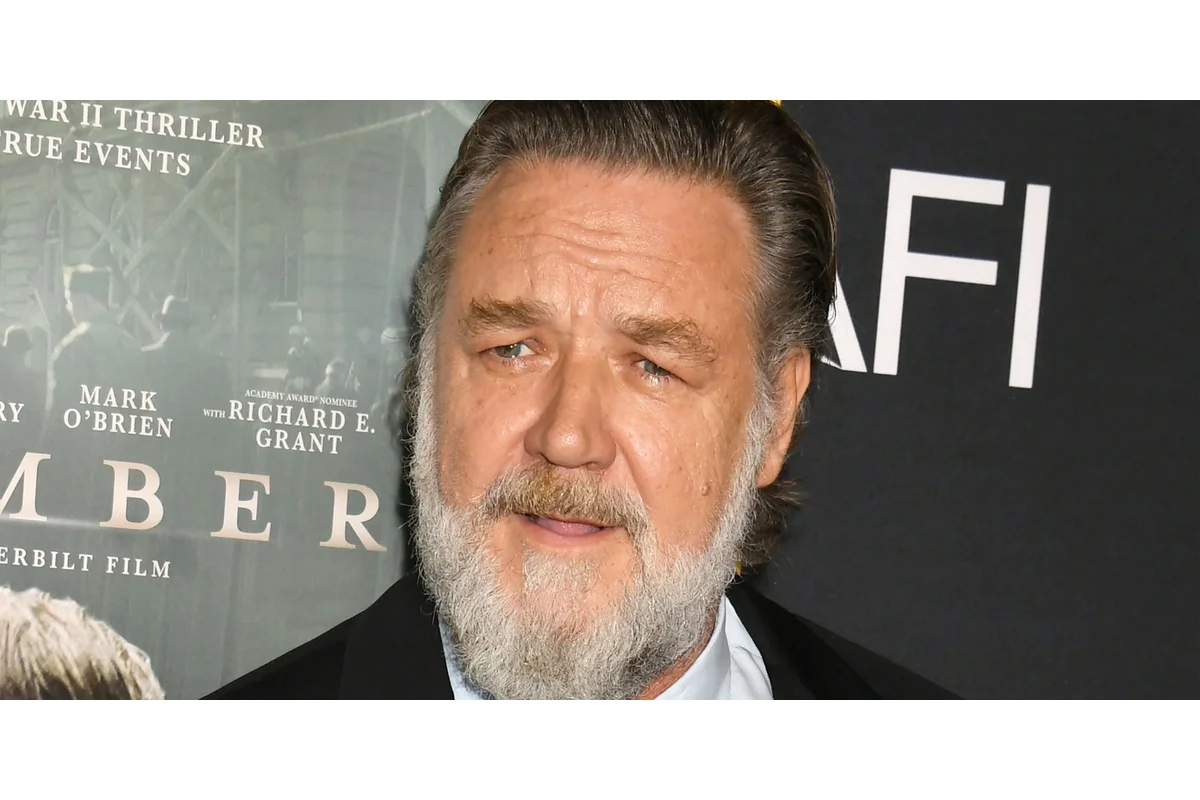
This sentiment resonated with many, forming a coalition of voices united in demanding proper acknowledgment for the film’s artistic and historical significance.
Film’s Historical Themes Inspire Calls for Modern Justice
Viewers also engaged deeply with the film’s broader messages, linking the depiction of the Nuremberg Trials to current global issues. Many shared personal reflections on the unsettling similarities between the past and today’s political climates.
A user from Iran urged Crowe to become a “voice of iranian people,” while another hoped for a new tribunal to address injustices in their country. These reactions underscore how the film’s portrayal of accountability and justice resonates internationally, prompting urgent discussions about the relevance of historical tribunals to modern regimes.
Archival Research Highlights Film’s Educational Role
Some responses extended into academic territory, as one viewer detailed their research inspired by the movie. They referenced original handwritten archival materials from the psychiatrists involved in the Nuremberg Trials, emphasizing that
“Nuremberg isn’t just a movie set,”
but a pivotal moment in the creation of international law.
This perspective highlighted how Crowe’s performance brought meticulous historical details to life, transforming the film into a powerful educational tool and gateway into a significant era of world history.
French Release Marks New Phase for Widely Discussed Drama
The film’s arrival in France has expanded its international reach, encouraging broader conversations and critical engagement from diverse audiences. Russell Crowe’s initial social media announcement sparked a wave of reactions, allowing the film to challenge viewers worldwide and underline the importance of confronting difficult histories through cinema.
With its gripping trailer generating early excitement, the Russell Crowe Nuremberg film continues to inspire debate and reflection, despite its exclusion from major awards recognition.
