
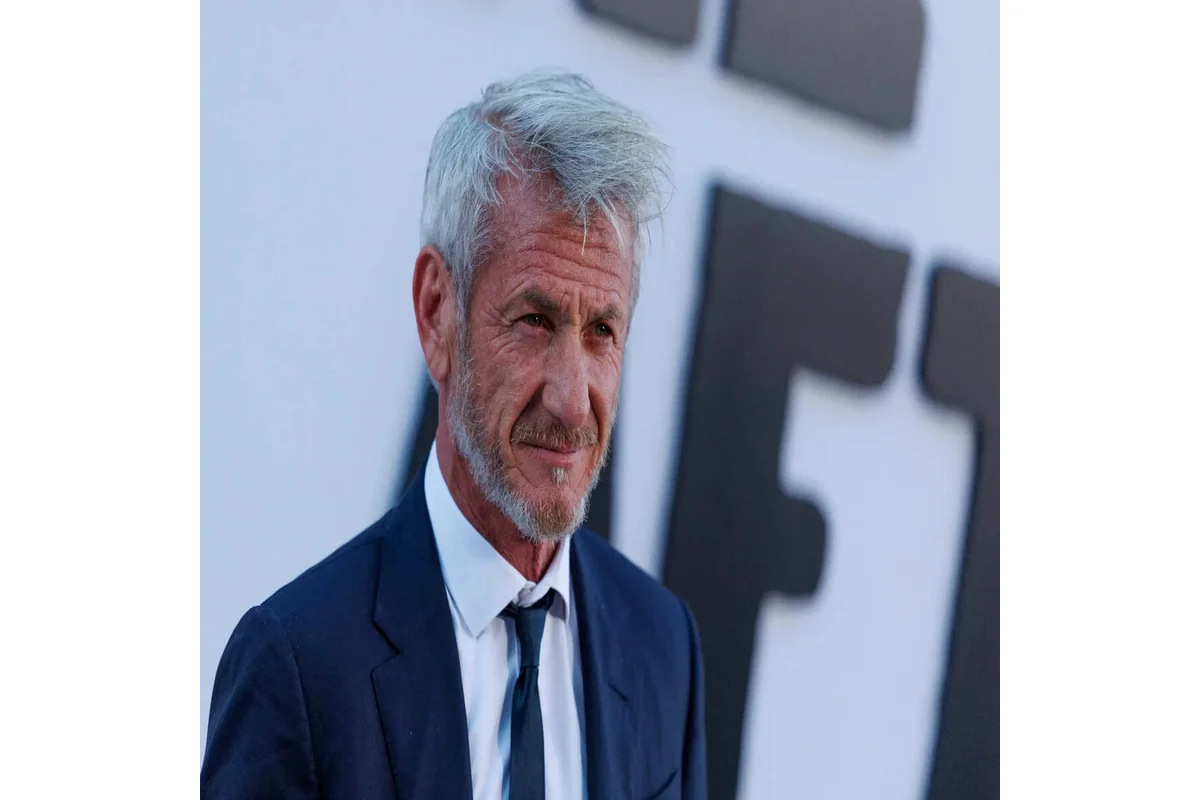
Viewers of the film One Battle After Another have begun interpreting Sean Penn’s portrayal of Colonel Steven J. Lockjaw through a new lens after noting striking parallels to Border Patrol Commander Greg Bovino. Released amid growing political debates, the film highlights Lockjaw, a corrupt military officer overseeing an immigration detention center targeted by left-wing revolutionaries, drawing direct comparisons to Bovino’s real-life role within U.S. immigration enforcement.
Sean Penn’s Border Patrol role as Colonel Lockjaw is central to the escalating chatter, as the film’s portrayal of immigration crackdowns aligns with controversies surrounding Bovino’s tactics and public profile during recent immigration raids. The connection has captivated audiences especially since One Battle After Another has garnered widespread acclaim and is considered a major contender for the Best Film Oscar.
Plot Details and Character Traits Draw Parallels to Real-Life Border Patrol Leader
In the narrative, Colonel Lockjaw earns a promotion following a successful operation against the fictional left-wing terrorist faction French 75. The character is awarded The Bedford Forrest Medal of Honor, a prize named after a Confederate general known for his ties to the Ku Klux Klan. This fictional accolade underscores the film’s dark satirical tone and echoes criticisms often levied against enforcement officials who invoke aggressive, historically charged measures.
Greg Bovino’s career trajectory fuels the comparison, as he rose abruptly through Border Patrol ranks, moving from a relatively obscure chief role in El Centro, California, to become the tactical commander responsible for a high-profile mass raid in Los Angeles last June. Bovino’s swift rise and controversial methods have made him a contentious symbol of Donald Trump’s immigration policies in cities including Chicago and Minneapolis.
Similar Controversies Surrounding Bovino and Film’s Leader Highlighted by Viewers
Bovino’s approach to immigration enforcement has sparked debate and criticism, with some insiders likening him to a Confederate general, further tying into the film’s historical allusions. An email from a colleague once compared Bovino to such a figure, though Bovino dismissed the message when questioned as “bogus and worthless.” This defensive posture mirrors Lockjaw’s portrayal as a defensive, hardline officer confronted by rebellion.
Fans have also drawn attention to a recurring comedic motif in the film, where Leonardo DiCaprio’s character repeatedly forgets secret passwords used within their terrorist cell. This has been linked to a real-world data leak containing Bovino’s email passwords, which subsequently appeared on the dark web, adding a layer of eerie coincidence to the parallelism between fiction and reality.
Director’s Statement and Audience Speculations on Sources of Inspiration
Paul Thomas Anderson, the film’s director and writer, has stated that One Battle After Another is based on the 1990 postmodern novel Vineland, yet this has not deterred speculation that Bovino’s public persona influenced the character creation. On social media platforms, viewers expressed their views through posts such as
“Congratulations to Sean Penn on his Oscar nomination for playing the role of Greg Bovino in One Battle After Another,”
and
“Does anyone else think Bovino resembles Sean Penn’s character in the film?”
Others commented on the visual resemblance and demeanor, with one user noting,
“greg bovino is just that sean penn character.”
These discussions reflect the polarizing nature of Bovino’s role in recent immigration policy enforcement, as well as the film’s resonance with timely political issues and societal tensions.
Greg Bovino’s Recent Reassignment and Social Media Lockout Amid Controversy
In the midst of the film’s rising popularity and public debate, Bovino has faced significant professional repercussions. Reports confirm his reassignment back to his former position in El Centro, California, where he is expected to retire soon. This information was shared by The Atlantic and verified by Homeland Security officials. Additionally, Bovino’s access to government social media accounts was revoked by Border Patrol Commissioner Rodney Scott, signaling a notable blow to his public presence.
These developments come shortly after Bovino spent considerable time publicly defending the fatal shooting of 37-year-old ICU nurse Alex Pretti on a Minneapolis street. Over the weekend, Bovino repeatedly tweeted warnings such as “don’t assault federal officers” in direct response to social media users offering positive portrayals of Pretti. When challenged over whether Pretti had been armed, Bovino stated,
“the SUSPECT confronted and assaulted officers and was armed while doing so.”
Encounters with Lawmakers and Public Backlash Grow Tense
Bovino’s defense of the shooting drew ire and responses from several lawmakers. Republican Congressman Thomas Massie emphasized that
“carrying a firearm is not a death sentence, it’s a Constitutionally protected God-given right and if you don’t understand this you have no business in law enforcement or government.”
Bovino retorted sharply, asserting,
“Attacking law enforcement is not a right like you want it to be.”
The commander faced similar criticism from Republican Senator Bill Cassidy of Louisiana and Texas Democrat Senate candidate James Talarico, both of whom called for independent investigations into the incident. Even author Stephen King publicly questioned the circumstances surrounding the shooting. This intensified scrutiny has fueled protests in which demonstrators assembled for a “goodbye Gregory Bovino” noise demonstration outside a hotel where the commander was reportedly staying. Protestors clashed with law enforcement agents wearing gas masks, who deployed irritants against the crowd.
Bovino’s Social Media Silence and Official Comments Amid Escalating Tensions
After posting over 40 tweets responding to various reactions and criticisms over the weekend, Bovino’s government X (formerly Twitter) account suddenly went silent. Despite widespread speculation about his status, Tricia McLaughlin, the assistant press secretary for the Department of Homeland Security, confirmed that Bovino had not been fired and remained a
“key part of the president’s team.”
The unfolding situation reflects the broader national tension surrounding immigration enforcement tactics, the power of public narrative, and the symbolic weight that high-profile figures like Bovino carry. As Penn’s portrayal of Lockjaw gains recognition alongside Bovino’s contentious tenure, the discourse surrounding immigration and enforcement officers remains charged and uncertain.
