
Giancarlo Esposito, the well-known American actor, expressed a willingness to accept the death of millions to achieve a revolution, marking a stark reflection of the current tensions within the Democrat Party. During statements reported by Variety, Esposito conveyed that such a drastic upheaval is necessary, even at the cost of countless lives, as part of a transformative global change.
Esposito’s Radical Vision for a New World Order
In his remarks, Esposito emphasized the urgency and inevitability of revolution, highlighting an uncompromising resolve against the status quo. He said,
“This is time for a revolution — and they don’t even know that’s what they’re starting. We have to stand up to it. They can’t take us all down. If the whole world showed up on Putin’s doorstep or the Iranians’ doorstep or in Washington, they’d kill 500 or 50 million or however [many], but the rest of us would survive with a new [world].”
His comments suggest that while massive casualties may occur, the survivors would usher in a markedly different society.
The Controversy Surrounding the Acceptance of High Human Cost
Esposito’s position has sparked intense debate due to the sheer scale of potential loss he references. Critics point out that no previous political movement in history has openly justified such widespread death to achieve its aims outside authoritarian or totalitarian regimes. Opponents argue that Esposito’s stance reflects a dangerous disregard for individual lives in favor of ideological goals.
Despite the criticism, Esposito appears undeterred in his conviction, implying that the risks are justified to dismantle current power structures symbolized by leaders like Putin, Iranian authorities, and Washington elites. His words stand as a stark warning about the lengths some are willing to go for revolutionary change.
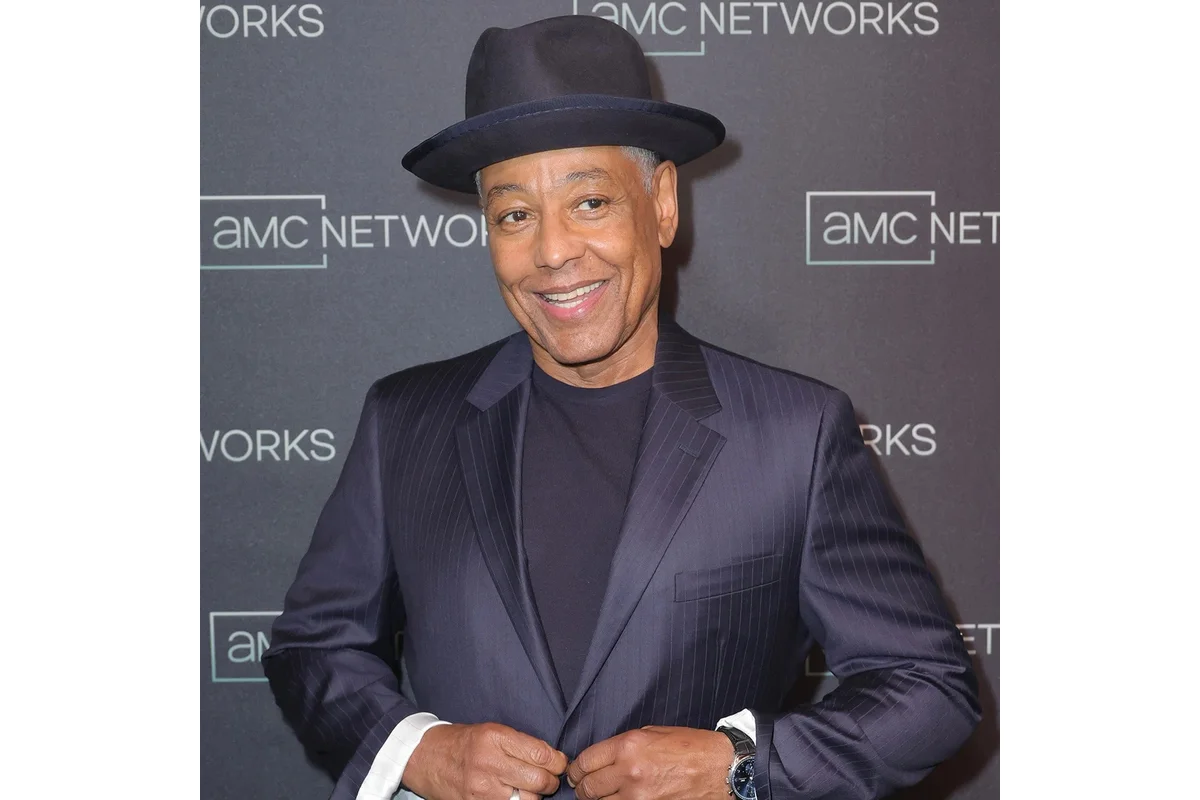
The Privilege and Contradictions of Esposito’s Position
Giancarlo Esposito, as a prosperous American artist, benefits from considerable privilege, including wealth, fame, and freedom. Observers note the irony in his readiness to sacrifice millions, many of whom will not share his privileged status, for the cause he supports. The disparity between Esposito’s own secure life and the human cost he is willing to endorse further fuels frustration over his comments.
His promises of a “Brave New World” are viewed skeptically by critics who associate such rhetoric with historical failures linked to socialist regimes. While Esposito might anticipate a role as an overseer within any new state-controlled system, critics warn that ordinary people face severe consequences, possibly even violent repression, if they oppose the new order.
Widespread Reactions and Political Implications
The declaration from Esposito has resonated within a broader context of political and social unrest, particularly among activists and groups in cities like Minneapolis. It highlights tensions where some protest movements clash with law enforcement, sometimes leading to violence and property destruction. These actions are often criticized as misguided or exploited by political elites.
Such statements pepper the current discourse on the Democratic Party’s direction, revealing a faction willing to endorse extreme measures to transform society. Esposito’s open acknowledgment of potentially millions dying destabilizes the party’s public image and raises questions about the limits of political activism in America today.
The Larger Historical and Cultural Context
Throughout history, revolutions have sometimes resulted in vast loss of life, but few public figures have so plainly accepted this fact as a necessary sacrifice. Comparisons to notorious leaders reveal how such willingness can presage authoritarian control. Esposito’s statements contribute to the ongoing conversation about the moral boundaries of political change and revolution.
His willingness to state these views out loud distinguishes him within the current political landscape, making clear that some voices within the Democrat Party are prepared to countenance extreme outcomes for their vision of the future.
What Lies Ahead Following These Provocative Statements?
Giancarlo Esposito’s comments are likely to deepen divisions both within and outside the Democratic Party, intensifying debates over acceptable political strategies and the ethical limits of revolutionary change. The acknowledgment of such a massive death toll as a price worth paying may prompt backlash from moderates and opponents alike, influencing upcoming political dialogues and public sentiment.
As American society wrestles with its political direction, Esposito’s remarks serve as a stark reminder of the fragile balance between activism, ideology, and the value placed on human life amid calls for systemic transformation.
