
Jim Carrey, known for his signature comedic roles, experienced some of his darkest moments during a turbulent period in his life. Despite rising to fame with a string of wildly popular films, his off-screen reality was marked by deep melancholy and personal trials that influenced his career choices significantly.
While Carrey’s energetic performances made him one of modern Hollywood’s top comedians, he often wrestled with profound existential questions, sometimes suggesting that reality itself may be an illusion. Yet, even amidst his philosophical turmoil, he continued to embrace roles that allowed him to bring humor to audiences, such as his work in the Sonic the Hedgehog franchise.
The Impact of Personal Obsession and Challenging Roles
Joel Schumacher’s 2007 thriller, The Number 23, stands out as one of Carrey’s most troubled projects, rooted in his own fixation with the number 23. Additionally, his immersive portrayal of Andy Kaufman in Man on the Moon involved intense method acting that caused friction with some cast and crew members, revealing the complexities behind his craft.
Tragedy and Its Influence on Carrey’s Career Choices
The darkest chapter for Carrey unfolded in 2015, when his partner Cathriona White died from a prescription drug overdose, ruled a suicide. This personal loss shook him deeply and coincided with his involvement in director Alexandros Avranas’ 2016 crime drama Dark Crimes, a project that marked his last film appearance for four years.
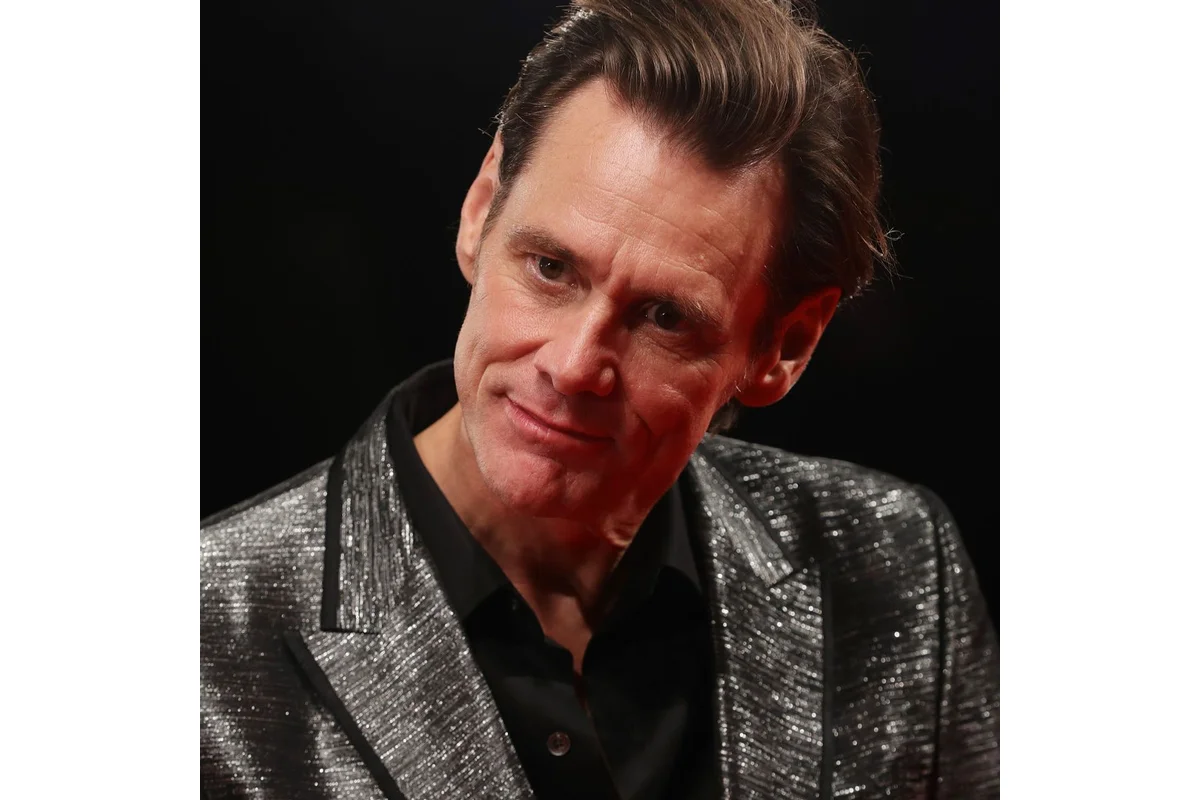
Filming began just over a month after White’s death, and Carrey’s choice to play a Polish detective unraveling a cold-case murder in a bleak setting suggested a desire to escape and process his grief. The tragic event also led to legal action from White’s husband and mother, both filing wrongful death lawsuits against Carrey. Although these suits were eventually dismissed, their emotional and public toll left a lasting impact.
Carrey’s Reflections on Pain and Growth
Opening up about this period, Carrey told WRAL,
“I’ve had incredible highs and incredible accomplishments happen in my life, And at the same time, I’ve also had incredibly unjust and unfair things happen. Not that anybody cares when they hear that about someone like me. But I have. And those things have made me deeper.”
He also revealed a new sense of empathy born from adversity:
“There’s no one I can’t sit with now, after what I’ve been through, and say, ‘What’s your thing? What’s your pain?’ And what an incredible place to be in as an artist.”
Filming Dark Crimes as a Form of Catharsis
Reflecting on shooting Dark Crimes in Poland, Carrey described it as
“a very dark, terribly painful moment in my life. Poland was a rainy place with a lot of crows, man, and it was beautiful.”
Despite the film’s overwhelmingly negative critical reception and status as one of his poorest performances, the experience seemed to provide him with a measure of emotional release during a difficult time.
This film, though critically lambasted, symbolized a period where Carrey confronted his personal demons and allowed the pain of loss and hardship to deepen his artistic perspective. It would take four years before he returned to the screen, highlighting how deeply the events surrounding Dark Crimes affected both his career and personal life.
